

Gut health has become a major focus in wellness, and for good reason. While most people think of the gastrointestinal (GI) tract as simply responsible for digestion, its influence extends far beyond breaking down food.
Your gut is home to a complex ecosystem that plays a central role in immune function, inflammation, and even mental health. In fact, more than two-thirds of the immune system resides in the gut. When gut health is compromised, immune resilience is affected too, which can increase susceptibility to chronic disease.

What makes this even more important is that gut dysfunction does not always present as digestive symptoms. It can show up as skin issues, autoimmune conditions, low energy, or mood imbalances. The gut-brain connection is especially powerful, with over 90 percent of the body’s serotonin produced in the gut.
The health of the microbiome has far-reaching effects across nearly every system in the body, reinforcing just how foundational gut health really is.
How Can You Tell If Your Gut Needs Support?
From a health coaching perspective, symptoms are not something to ignore or suppress. They are information.
Your body is constantly offering feedback. The question is whether you have the tools and support to interpret it.
Common signs your gut may be out of balance include:
- Autoimmune conditions
- Bloating or discomfort after eating
- Heartburn or acid reflux
- Irregular or difficult bowel movements
- Skin concerns such as acne, eczema, or psoriasis
- Low mood, anxiety, or depression
- Frequent illness or weakened immunity
- Thyroid dysfunction
These symptoms may feel disconnected, but they often share a common root in gut health.

In fact, emerging tools and technologies, such as those discussed in our webinar with Elena Panzeri of GutID, are helping practitioners and clients better understand these connections in a more individualized way. Watch the replay of this webinar below.
A Functional Medicine Approach: The 5R Framework
In Functional Medicine, the 5R framework offers a structured, root-cause approach to restoring gut health: Remove, Replace, Reinoculate, Repair, and Rebalance.
While the framework is clinical, the implementation is deeply personal. This is where health coaching becomes essential. Coaches help translate recommendations into sustainable daily practices that align with a client’s life.
1. Remove
The first step is to remove what is disrupting the gut.
This may include:
- Pathogens such as bacteria, parasites, or yeast
- Inflammatory foods or hidden food sensitivities
- Environmental toxins
- Chronic stress
Rather than taking a restrictive approach, health coaches guide clients through a process of curiosity and discovery.

For example, food sensitivity testing, like the approaches discussed in our Ask the Expert webinar with James White, can provide insight. At the same time, coaches help clients tune into their own lived experience through journaling, elimination diets, and mindful eating practices.
2. Replace
Next, we support the body by replacing what may be missing for proper digestion.
This can include:
- Digestive enzymes
- Hydrochloric acid
- Bile acids
But replacement is not just about supplements. It is also about behavior.
Health coaches often focus on simple but powerful shifts, such as:
- Slowing down during meals
- Chewing thoroughly
- Eating in a relaxed, parasympathetic state
These foundational habits can significantly improve digestion and nutrient absorption.
3. Reinoculate
Reinoculation focuses on restoring beneficial gut bacteria.
This includes:
- Prebiotic fibers that nourish the microbiome
- Probiotic-rich foods and supplements

As discussed in this Health Coach Talk podcast episode with Dr. William Davis, rebuilding the microbiome is not a one-size-fits-all process. Diversity and consistency matter.
Health coaches support clients in making gradual, sustainable changes. This might look like adding fermented foods, increasing fiber intake slowly, or experimenting with different probiotic strains based on individual response.
4. Repair
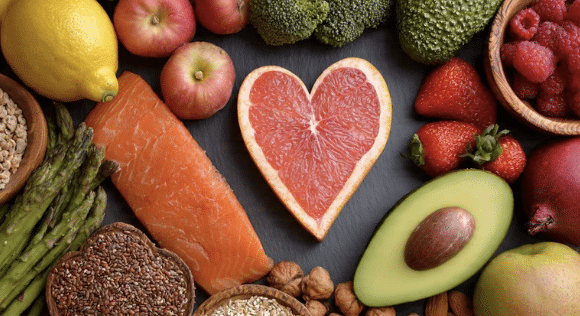
Repairing the gut lining is essential for reducing inflammation and supporting long-term healing.
Nutrients that support this process may include:
- Zinc
- Antioxidants such as vitamins A, C, and E
- Omega-3 fatty acids
- L-glutamine
Healing is not linear. This phase often requires patience and consistency.
Health coaches play a key role in helping clients stay engaged, especially when progress feels slow. They help reframe expectations and reinforce that healing is a process, not a quick fix.
5. Rebalance
The final step is often the most overlooked and the most impactful.
Rebalancing involves addressing lifestyle factors that influence gut health every day:
- Sleep quality
- Stress levels
- Movement and exercise
- Emotional well-being

As highlighted in this episode of Health Coach Talk with Cynthia Thurlow, metabolic health, stress, and lifestyle patterns are deeply interconnected with gut function.
Health coaches help clients build realistic routines that support these areas. This might include creating a wind-down routine for better sleep, incorporating stress-reduction practices, or finding forms of movement that feel sustainable and enjoyable.
Bringing It All Together
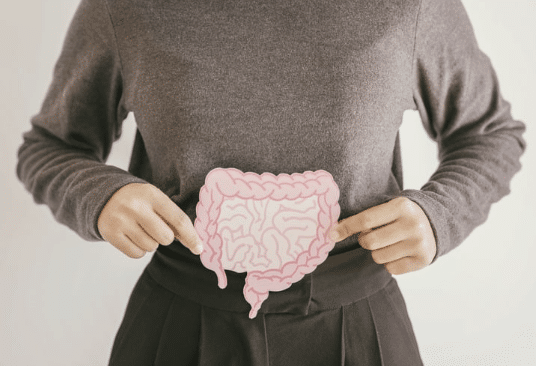
Digestive symptoms like bloating, gas, or discomfort are not just inconveniences. They are signals.
Instead of masking these symptoms, functional medicine invites us to explore what is driving them. And health coaching provides the structure, accountability, and support to turn that insight into meaningful change.
As conversations across FMCA’s podcast and blog continue to highlight, from microbiome research to personalized gut testing, one thing is clear: gut health is deeply individual, and healing requires a personalized approach.
With the right combination of clinical insight and behavior change support, it is possible to restore balance, improve resilience, and feel better from the inside out.
Continue Your Learning: More Gut Health Resources from FMCA
Explore more from FMCA on gut health and the microbiome:
- How Gut Health Shapes Menopause and Midlife Wellness, With Cynthia Thurlow
- The Truth About Gut Health Testing, With Dr. Michael Chapman
- Heart Disease and Gut Health, With Dr. William Davis
- How to Use Super Microbes for Metabolic Health, With Dr. William Davis
- Healing the Gut with Client-Led Coaching, With Anu Simh
- The Gut Microbiome: Uncovering Secrets to Enhanced Health and Wellness
- Gut Microbiome Testing in Clinical Practice
- Food Sensitivity Testing 101: Supporting Clients with Inflammation and Gut Issues
- Women’s Health & the Vaginal Microbiome: A Probiotic Breakthrough
Our Latest Blogs
-
Celebrating 200 Episodes of Health Coach Talk: Our Top 10 Favorite Conversations
Read Full Article: Celebrating 200 Episodes of Health Coach Talk: Our Top 10 Favorite Conversations -

Labs, Supplements, and Legal Liability: Where Coaching Ends and Practicing Medicine Begins
Read Full Article: Labs, Supplements, and Legal Liability: Where Coaching Ends and Practicing Medicine Begins -

From College Student to Functional Health Coach: Maria Falcon, FMCHC
Read Full Article: From College Student to Functional Health Coach: Maria Falcon, FMCHC
