

If you want to start a meaningful career in health and wellness, becoming a certified health coach offers a clear, structured path.
Keep in mind, the decisions you make early on, especially around training and certification, can shape your opportunities, credibility, and long-term career.
Step 1: Educate Yourself On The Health Coach Role And Consider Your Goals
Start by making sure this is the right path for you. Health coaching requires more than a passion for health. It involves strong communication skills, empathy, curiosity, and a genuine desire to support others through behavior change. Take time to reflect on your personal and professional goals, the type of impact you want to make, and whether this role aligns with your strengths and lifestyle.
Here are a few resources to get you started:
- Take our short quiz: Would You Be a Good Health Coach?
- Learn what qualities FMCA Certified Health Coaches say are key: What Makes a Great Health Coach?
Health Coaching Transforms You, Your Career, and Healthcare

More people than ever are looking for guidance on how to improve their health, but they don’t just need information. They need support, accountability, and someone who can help them turn knowledge into lasting change.
That’s where health coaches come in. Health coaches play a unique role in today’s healthcare landscape. They bridge the gap between health recommendations and real-life implementation, helping clients build sustainable habits, navigate complex health challenges, and take a more active role in their well-being.
We created a deep guide, What is Health Coaching, which outlines what health coaches do and their role within the healthcare system. You can jump to specific questions in the guide here:
- What Is Health Coaching?
- How Does Health Coaching Work?
- Who Needs a Health Coach?
- Why Work With a Health Coach?
- Is Health Coaching Effective?
- Where Do Health Coaches Work?
- Job Outlook for Health Coaches
- What Is a Health Coach’s Scope of Practice?
Step 2: Decide On Your Health Coach Certification Path
Before moving forward, it’s important to understand how credentials work in the health coaching industry. In order to make sure you’re taking the right path for you, it’s critical to understand how credentialing works.
The Two Types of Health Coaching Certification
There are two primary types. One reflects your education, while the other demonstrates that you meet nationally recognized standards for the profession.
Program Certification
- Confirms completion of a training program
- Issued by your school
- Allows you to begin coaching
- Varying requirements dependent upon individual training program curricula
Board Certification
- Confirms you meet national standards for health coaching
- Issued by the National Board for Health & Wellness Coaching (NBHWC)
- Requires passing a comprehensive exam
- Title: National Board-Certified Health & Wellness Coach (NBC-HWC)
Why We Recommend NBHWC-Approved Programs

The National Board for Health and Wellness Coaching sets the gold standard for the profession. Choosing an NBHWC-approved program ensures your training meets rigorous, evidence-based criteria and prepares you for real-world coaching. It also keeps the door open for board certification, which is increasingly recognized and preferred across the healthcare industry.
We put together a deep-dive into the NBHWC and why it matters:
Important: You must graduate from an NBHWC-approved program to be eligible to sit for the Board Certification exam.
If your program is not approved, you cannot sit for the exam.
To pursue NBHWC certification, confirm that the Health Coaching program:
- Is NBHWC-approved
- Aligns with board competencies
- Includes hands-on coaching practice
- Provides structured feedback and mentorship
This decision determines whether Board Certification will even be an option.
Step 3: Research Health Coach Training Programs
Once you have a sense of the health coaching role, your goals, and your credential path… the next step is researching comprehensive health coach training programs.
There are many programs to choose from, and all will have unique approaches and focus areas.
A high-quality program will teach you:
- Core coaching competencies (like active listening, motivational interviewing, and behavior change)
- Nutrition and lifestyle fundamentals
- How to guide clients in making sustainable habit changes
- How to take a holistic, root-cause-oriented approach to health
Educational features of Health Coach Certification Programs should also include:
- A structured curriculum (not self-directed or pieced together)
- Instruction from experienced coaches
- Practice coaching sessions with real individualized feedback
Health coaching is not just about knowing what to do, but it’s about learning how to guide others effectively.

5 Tips for Choosing The Best Health Coach Certification Program:
- Create a list of programs that you may be interested in. Gemini, ChatGPT, Claude, and other AI platforms can be helpful for this, but you can even use a pen and paper or spreadsheet.
- Reminder: We highly recommend you consider only NBHWC approved training programs that leave you open to the board certification path. Explore the full list of NBHWC Approved Programs here.
- Consider the Type of Health Coaching You Want to Learn. Not all health coaching programs are the same. Take time to think about the approach, philosophy, and skill set you want to develop. For example, Functional Medicine Health Coaching offers a root-cause, systems-based approach that emphasizes behavior change, client-centered communication, and whole-person health. Other programs may focus more narrowly on areas like nutrition, fitness, or wellness education. Consider what resonates with you, the population you want to serve, and how you want to differentiate yourself in a growing field.
- Research The Programs and Take Notes. From online reviews, to curriculum guides, there’s a wealth of information out there about programs. Big considerations include:
- Program Cost
- Program Reputation
- Time Commitment and Structure
- Talk To The Programs Admissions or Enrollment Team Directly. Having a conversation with someone directly involved with the program is highly recommended.
- We created a helpful guide with some questions you can bring: 10 Questions to Ask Before Enrolling in a Health Coaching Program
- Look at online reviews and what program graduates say. Online reviews from reputable sources like TrustPilot can be very helpful in determining program quality. You can even go a step further and ask to speak to an Alumni of the program. At FMCA, this is something we are more than happy to facilitate! Explore the programs Alumni success stories to get an idea of what your path might look like.
Step 4: Enroll in Health Coach Certification Program
Enrolling in a certification program is a big step. It marks the shift from exploring the field to actively building your future as a health coach.
As you make your decision, consider:
- Time commitment: Can you realistically fit the program into your schedule?
- Financial investment: Does it align with your budget, and are payment options available?
- Program approach: Does it teach lasting behavior change and root-cause thinking, or just surface-level strategies?
- Career goals: Will it support the type of coach you want to become?

The right program shapes not just what you know, but how you think and coach. It will provide you with knowledge and skills that you can put into practice to build your career in the way you want to.
5 Features of Strong Health Coach Training Programs:
- Strong education on health and wellness topics and underlying science
- Time to refine your communication and coaching style
- Live coaching sessions
- Opportunities to coach real people
- Direct feedback from instructors or mentors
If you are evaluating the long-term value, especially for programs covering integrative or holistic approaches to health coaching, we break this down further in our article: Why Functional Medicine Health Coaching?
Step 5: Build Real Coaching Skills Through Study and Practice
While you’re in your training program you should be learning all you can about health, wellness, and the Art of Coaching (key features of any quality certification program curriculum. Programs have varying focuses, and you may dive deep into topics on nutrition, mind-body medicine, mental health, hormones, gut health, and more.
Browse Our List of Books Health Coaches Should Read!
No matter what training program you’re in, you should be reading! The best health coaches are lifelong learners, growing knowledge as health & wellness evolves.
Learn more by browsing our article:

Practice Makes Perfect
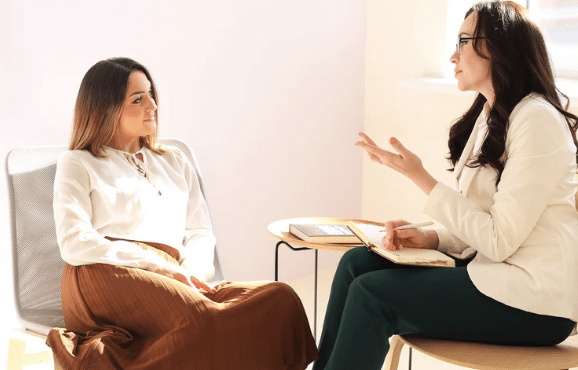
Becoming an effective health coach requires much more than knowledge. To feel confident and successful in your health coaching career, you need real-world practice. Many programs offer opportunities to practice coaching while you’re in training. Be sure to ask about those before enrolling.
You should graduate feeling confident not just in what you know, but in HOW you coach. You should also have confidence in how coaching sessions can be structured, and how to put
Step 6: Earn Your Program Certification
After completing your training, you’ll earn a program certification as your first professional credential.
3 Things Your New Certification Means:
- You’ve completed a formal training program
- You’ve demonstrated foundational coaching skills
- You’re qualified to begin working with clients
Virtually all health coach training programs offer program certification, and many graduates begin coaching immediately after earning it.

Individuals who have completed a program certification will often apply to jobs or present themselves to potential clients as:
- Certified by: Their training program
- Credential: Health Coach (titles may vary by program, for example, FMCA Graduates are Functional Medicine Certified Health Coaches or FMCHC)

Step 8: Pass The Board Certification Exam and Earn Your NBC-HWC Credential (Optional)
If your goal is to become board certified, which we highly recommend, your next step is the NBHWC exam.
As a reminder, high-quality health coach certification program will prepare you for board certification by ensuring you have:
- A strong foundation in coaching competencies
- Practical experience applying those skills
- Familiarity with the exam structure and expectations
After completing an NBHWC-approved program, you can apply to sit for the exam.
If you pass, you earn the credential:

National Board-Certified Health & Wellness Coach (NBC-HWC)
This credential is widely recognized as the standard in the industry and signals that you meet rigorous, nationally recognized standards.
Step 9: Continue Growing as a Coach
Health coaching is an evolving field, and your career can grow in many directions.
As you gain experience, you may choose to:
- Specialize in areas like gut health, stress, or chronic conditions
- Work more closely within clinical settings
- Deepen your education in functional medicine or other wellness areas
- Refine your niche and increase your rates
Ongoing learning and hands-on experience are key to long-term success.

Our Latest Blogs
-
Celebrating 200 Episodes of Health Coach Talk: Our Top 10 Favorite Conversations
Read Full Article: Celebrating 200 Episodes of Health Coach Talk: Our Top 10 Favorite Conversations -
Labs, Supplements, and Legal Liability: Where Coaching Ends and Practicing Medicine Begins
Read Full Article: Labs, Supplements, and Legal Liability: Where Coaching Ends and Practicing Medicine Begins -
From College Student to Functional Health Coach: Maria Falcon, FMCHC
Read Full Article: From College Student to Functional Health Coach: Maria Falcon, FMCHC
