

Rob Fraser, Chief Science Officer and Co-Founder of Molecular You, highlights how next-generation direct-to-consumer blood testing can uncover hidden health risks and inform personalized, preventative interventions. Explore what sets Molecular You apart and hear real-world examples of how this novel approach is advancing more meaningful clinical decisions.
- Presenter: Rob Fraser, Chief Science Officer and Co-Founder, Molecular You (Featuring a first-hand personal story from Molecular You’s William Perry).
- Key Themes: Decoding molecular data, predicting future disease, and analyzing key biomarkers.
Click here to see the full replay page and access all sessions from the DTC Lab Testing Summit.
Watch the Replay
Enabling Predictive Health through Multi-Omic Analysis:
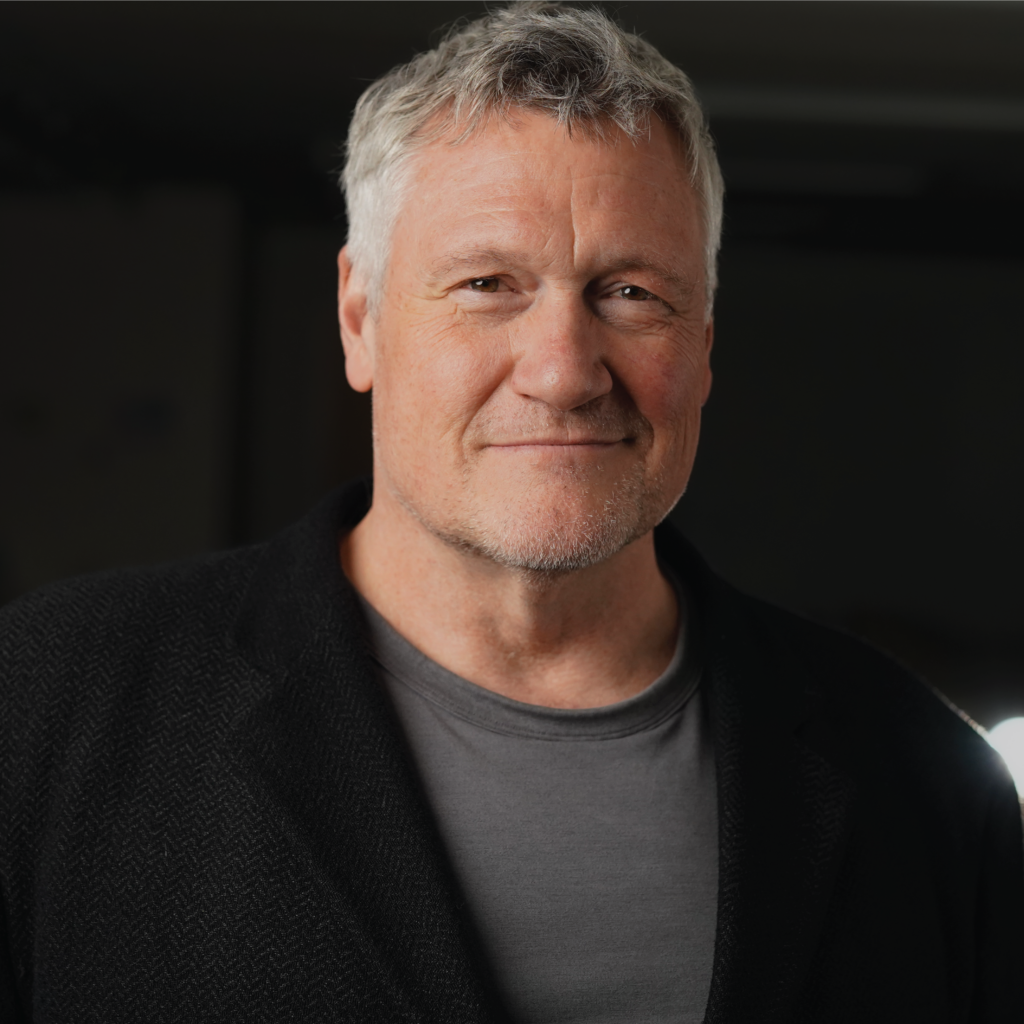
Rob was the founding CEO and is the current President and CSO of Molecular You Corporation. Backed by his expertise in molecular diagnostics, molecularly targeted drug discovery and development, biochemistry and regulatory compliance, Rob Fraser drives the innovation behind Molecular You’s multi-biomarker analytics. He established a low cost method of measuring hundreds of biomarkers from a single blood sample, along with establishing a LLM model to incorporate the world’s leading scientific literature. Rob has also been involved in leading drug discovery and development projects at Sanofi, Xenon, Neuromed and CDRD. Rob received extensive training in the molecular mechanisms of endocrinology while completing his Ph.D. at the University of Alberta and Harvard Medical School and Post-Doctoral Fellowships at Hospital for Sick Children, Toronto and IGBMC, Strasbourg, France. In addition to Rob’s scientific accomplishments, he has been involved in the raising of more than $37M in funding. Rob is also co-founder of GenXys Health Care Systems, Personalized Biomarkers Incorporated, Mesentech Corporation and Novobind.
Connect
Transcript
Dr. Sandi: Before I turn it over to Rob, I’d like to let everybody know he’s got an amazing bio. He is the founding CEO and the current president and CSO of Molecular You Corporation, backed by his expertise in molecular diagnostics, molecularly targeted drug discovery and development, biochemistry, and regulatory compliance. He drives the innovation behind Molecular You’s multi-biomarker analytics. He established a low-cost method of measuring hundreds of biomarkers from a single blood sample, along with establishing an LLM model to incorporate the world’s leading scientific literature. He has been involved in drug discovery and development projects. He has his PhD from the University of Alberta, Harvard Medical School, postdoctoral fellowships in many locations.
We are honored to have you with us. So, thank you for being here. And I’m going to turn it over to you.
Rob: Well, thank you for that. I don’t need to introduce myself now that you’ve done such an excellent job. But just to remind everyone, I am the chief scientific officer at Molecular You and the founder really of everything we’ve built. But we’ve had a really excellent year, as you can see on this deck. We were identified as one of the leading digital organizations for longevity, and our CEO, Jim Kean, was featured in Forbes really for his journey and how he has been in this wellness space, starting with WellnessFx, which was repackaging a lot of the diagnostics and helping us and just giving people really power over their own data. That doesn’t include that pre-diagnostic stuff, which I’ll get into, and that’s why he joined our team. And we’ve really had a great run together.
So what we really do is enable that predictive health, being able to see where you are in a pre-symptomatic way using our multi-omic platform. I’m joined here today too by Will Perry, who will share one of his own personal journeys using Molecular You. So this is a big… We all know this is a big and growing economy, and this is an area we operate in, but there are many others. And nothing offensive or meant to be derogatory to any of our competitors, but basically they’re taking known diagnostics, which are designed, as we know, to be based on symptoms. So if you have a symptom, you do a diagnostic, and that helps the practitioner really understand what that symptom is.
What we’ve developed is a platform that allows us to see the risks of disease, the health risks, prior to any symptoms. And that’s important because then you can act on it. That’s when we can have the most impact on any one of our health functions. And we do all of this actually from a single draw of blood. We’ve got a great team. As I mentioned, Jim is our CEO. He joined us a few years back. He’s got a great digital health background dating back to WebMD and then has built WellnessFx, which is a lot of what you see today in reusing diagnostic tests. And then he’s got a great background also in the payer, which really helps us understand how you get rewarded for your good work here. Gene, the CTO, and Murdoc Khaleghi, who’s also a very successful entrepreneur MD.
But foundationally, we’ve been working with two world leaders in the world of metabolome and proteome, Dr. David Wishart, who is the world authority in the human metabolome, and Christoph Borchers, who is the real expert on quantitative proteomics. And these two technologies combined really helped build the platform for Molecular You.
And just to give you a sense of how sensitive and remarkable this platform is when used in a longitudinal fashion, we’re actually able to detect stage one pancreatic cancer in a symptom-free individual. And clearly, this is an astounding accomplishment, never really been done before with this kind of accuracy. But in 2018, this individual, Dianne Balon, who’s given us permission to talk about her story and share her name and is very happy that she has been doing Molecular You, she was very healthy when she joined. And over time, though, we did start to notice that a number of her metabolite protein markers that we then make up in the pathways were starting to show neoplastic activity and in a very aggressive form.
So we shared this with her practitioner, and the practitioner took the clinical route and did imaging and a needle biopsy once they found the lesions and determined stage one pancreatic cancer. That made her eligible for surgery. She had the surgery, and she is now cancer-free, as you can see here in 2024.
This is what we live by. If we wait for symptoms, it’s already too late. We need methods and technologies like Molecular You that allow us to detect disease before it happens but not over a lifetime. What’s happening now? We need something that is real time and is dynamic enough that we can actually take control of it.
So we operate in this space here. We can also support people that have primary conditions and help them with the care path, and I’ll share a little bit more of that. But this all begins as multi-omics began with these two characters. I’m sure some of you are familiar with Watson and Crick and how they helped us break down and understand the structure of DNA, which everything else came into place. We can’t really do proteomics without having a full understanding of the human genome. And the metabolome is so important because that tells us what those proteins are doing, what their activity is, what generates from protein activity. Genomics are excellent but they really only tell you what’s going on and what could happen over a lifetime. So it’s not that useful in our day-to-day health management.
And just to emphasize this, this is a very intuitive study. So, many of you may recognize this is a caterpillar and a butterfly. Now the caterpillar and the butterfly differ not at all genetically. They are identical genetically. But what differs is which genes are being expressed under which conditions that allow it to metamorphosize from a creepy crawly animal to this beautiful, elegant butterfly. And that really emphasizes the need to look. In order to understand how that happens, you need to look at those functional elements, the proteins and the metabolites.
And so we built this two-sided solution. We start with a single vial of blood. We run it through quantitative analysis through a mass spectrometer, 288 proteins and metabolites. And the key here is everything’s run on the same assay. So we’re comparing apples and apples all the way through. It’s all on the same scale. And that allows us to get very good sensitivity and reproducibility over time. We’re actually running at about 5% and 15% coefficient of variation. And we’ve got everything in a clinically certified lab now, COLA in the U.S. and ISO-15189 everywhere else in the world. And this data is then fed into our clinical insight platform where we tailor it to our users.
So using large language models, we’re now able to either have a very clinical-facing or as you see in this example, more of a fitness-facing interface so that people can get the information they want that’s going to serve them best. So in fitness, looking at things like health, performance, and recovery is going to be really important but you still want to know if any of these sinister conditions might be creeping up on you.
We do put everything into biological pathways because when we can put things into biological pathways and really understand how things are working and how they interact, we can then understand what the core or the root cause of any perturbations are and then go after that with specific action plans, which we generate in our systems.
When we roll those biological pathways up and we see which ones are upset, we can actually go across most of our health functions, if you like, whether it be cognitive, liver, metabolic, reproductive, and a number of immune functions, coagulation, as you see here, and a number of cancers. So we were actually very good and had high accuracy around breast, colorectal, esophageal, ovarian, lung, pancreatic disease, non-small cell lung cancer, and melanoma. We’re getting very close to… But we do this with an average predictive value of 88%. Right now we’re doing 288 biomarkers, and by the end of this year, we should be at over 1,000 from that single draw.
So this is how we calculate our accuracy. We run a cohort of individuals and we’re able to see, based on the sensitivity and specificity, which biomarkers give us the best area under the curve in an ROC curve, which is a way to estimate our predictive value. And then what’s really important here is that the biology of those biomarkers aligns with what we know with the conditions so that when we see these changes occurring in these pathways, we can make interventions that can avoid this from ever happening.
Again, rolling up the pathways into health risks, we can narrow down what exactly is going on, why an individual may be at risk for something like Alzheimer’s disease. In this particular study, we took 74 patients out of a clinic in Florida. From the EHR, it was indicated that there were five that were diagnosed with Alzheimer’s disease, 13 with mild cognitive impairment, and 56 of them were relatively healthy. When we ran our synchronous analysis using the mass spectrometer and all of our biomarkers, we were actually able to determine that only four of those patients that had been diagnosed with Alzheimer’s disease were actually Alzheimer’s disease, and one of them was more vascular dementia. And within that whole population of MCI and the healthy individuals, we found 36 that were actually at risk for Alzheimer’s disease. And there were 38 that did not have risk for Alzheimer’s disease but had other health risks that we were able to manage. It just shows the limitations of an asynchronous and diagnostic approach when you can do everything using this kind of technology.
The other thing that was really exciting about this particular analysis is that we learned that not everybody will get Alzheimer’s disease by the same path. We were actually able to stratify the population into three distinct endotypes, meaning that one group, through inflammation and oxidative stress, would be moving toward Alzheimer’s disease, another through neurotransmitter metabolism disruption, and then a third through dyslipidemia.
Now other areas we’re very interested in, of course, are the central nervous system, but also weight loss. We’re looking to be working and supporting clients through weight loss. And we know there’s a lot of excitement, and for good reason, around GLP-1 agonists such as Wegovy and others. But they have their downsides, and they don’t work the same for everybody. We know some people fail. We know some people do better. And we know there can be benefits, and we know there can be side effects that need to be monitored. From our one test, we can see, before the individual, how they look, after the individual has been treated. Are they getting muscle wasting that is maybe not being detected just through a scale? Are they benefiting through heart…? It benefits the heart and the brain. So, we can also measure that from a single test.
In addition, we’re very interested in women’s health. I was very intrigued by our previous speakers. Two-thirds of the Alzheimer’s disease population is made up of females. That’s a little-known fact, and we need to do much better. A lot of this is now believed to be due to the physiological changes that women go through when they go from normal menstrual cycles to menopause. And so not managing that properly can have profound effects by driving up inflammation, changing cardiovascular situations, getting that oxidative stress. So, monitoring this over time becomes super important. Of course, there tends to be a higher risk for cardiovascular disease and other metabolic conditions that we can monitor. And we’ve now added 14 steroid hormones, so we can also look at the balance of those steroid hormones and see how that’s going over time. In addition, we’re very strong on female-associated cancers.
So, I’ll give you a couple more examples quickly, and then I’m going to hand it over to Will to give you his story and more on the behavioral and the fitness side. This is a 70-year-old female that we recently analyzed, and we were quite shocked by the number of values that were out of range and the sort of health scores that she was getting. One indicated that she was at very high risk for depression. It turned out that she was. We learned in the consultation, that she was taking medication, but nothing to address the root cause, which was neuroinflammation. So, if we don’t address that, we’re really not going to help her with her depression. The other things we picked up that were not noticed previously were the cardiovascular disease, the risk for COPD, and rheumatoid arthritis.
But even more concerning, and primarily because of her lifestyle choices, she’s created an internal environment that is almost ideal for cancer to proliferate. We actually determined that she had a number of the hallmarks starting to emerge, not certainly as advanced as with Dianne but certainly something we were concerned about but pointed as an association with colorectal. It turned out that she just had a colonoscopy with some polyps. Some were tubular adenomas that needed to be removed. And our concern is that there’s still some residual condition or disease here that needs to be done. So we’re going to continue monitoring her right away and make sure that all of that has been taken care of.
And I’ll share… Our firefighters are an amazing group of individuals. They face different kinds of occupational hazards than the rest of us with all the effluents that they deal with. They work out hard. They try to eat right. But this individual, maybe through the effluents of fires that he’s been exposed to over the years, although he feels great, he too is at a high risk for depression, cardiovascular disease, and type 2 diabetes. We know that those effluents that come from fires can really drive up inflammation and oxidative stress within the individual and lead to these kinds of conditions. And, again, we’ve got an individual here who’s leaning towards an early-stage neoplasia.
The good news is this can be changed, a lot of it through lifestyle. I’m not going to claim that for the cancers, although creating the right environment so cancers don’t proliferate can be done through lifestyle choices. We’ve been able to demonstrate using our action plans that people can get a 50% increase in their health scores in just 100 days. And so through health coaches helping them along the way, we think getting beyond that 100 days would be fantastic.
So, I’m going to hand it over to Will, and he’s going to take us quickly through his experience. Will?
Will: Yeah, thanks, Rob. Nice to meet you all. I’m well. I work in the marketing department here at Molecular You. And so far you’ve heard from Rob how these proteins and metabolites have been selected for that really early disease risk detection. What I want to give you is a bit of a case study on my own experience with Molecular You and how I’ve used it for my health optimization strategy.
And as with every health optimization strategy, it starts with a baseline. So, I did my first test in January 2025. Some things to know about me. I’m 30. I exercise every day, maybe to my detriment, as you might find out, and I’ve been a natural faster since high school. And I’ve particularly noticed that fasting is getting quite a lot of…or intermittent fasting is particularly getting a lot of airtime at the moment. So, I thought it was a good thing but I didn’t know that I was towards the higher end of the 16-hour fast, mainly because I just wanted to listen to my hunger signals, and that’s what my body was telling me. I have a predominantly plant-based diet, and I feel that my diet routine facilitated me not to take any supplements as well. I thought I was doing all the right things.
Next slide, Rob. And I got my first test back in January 2025. And when we look at those biomarkers that Rob mentioned, when you look at it from a disease lens, actually I’ve got a really good picture of health. My Alzheimer’s, type 2 diabetes, my cardiovascular risk is all very low. Thankfully that’s great. I do have some family history of these things. But when we start to have a look at my biological pathways and how my systems are operating, that bar right at the top there is my blood clot production. None of those biomarkers were in range. So, the recommendations that I was given were really because my disease risks are looking pretty low, “Keep doing what you’re doing,” but to improve on this blood clotting pathway, increasing my animal protein and my omega-3 supplementation will help with that.
So, I was recommended to do my second test nine months later. And since that test, I had increased my level of protein. I was mentioned about that supplementation of omega-3. I didn’t quite stick to that. I’m sure the health coaches, you might have some of your clients that don’t always stick to those recommendations, but I thought that I could naturally get it from the diet that I was consuming.
The second thing to mention in this was that I changed my sleep routine. I wanted to bring my sleep routine earlier. Andrew Huberman told me that I could switch my sleep routine within three days. I tried this routine for six weeks before getting retested with Molecular You. I’m just going to show you what sort of impacts that really had on my body. So, when we look at the proteins that have been produced in my body at that January 2025 stage, as I mentioned, all of those were either out of range or borderline. But when we look at the October results, I have managed to improve that. So, I now have one biomarker that is in range. I’ve reduced the number of biomarkers out of range, so that increase in protein consumption certainly has helped, but there’s still these fibrinogens, which are liver-produced proteins, which are important for that blood clotting, wound healing, and inflammation, and immune response, as I’ll go on to show later, were still very low. My creatine levels also remained very low, and I was hoping that with that increase in protein consumption that that would increase, but clearly there’s still some more work to do there, so my muscle recovery and my brain health are far from optimal.
My GABA. Well, well, well. Where do I start with this one? So, because I only brought my sleep routine for an hour, from 7 till 6 a.m., I managed to increase my GABA production by 300%. So, this meant that my brain wasn’t able to shut down by the time that I was getting to sleep, and I had really poor restorative sleep. This was actually feeding this poor blood clot formation pathway that I’m having because during my sleep, my liver wasn’t getting the fuel to produce those blood clot proteins. So, I was getting into this vicious cycle of not sleeping, not getting enough recovery after my workouts, and then not producing enough of these liver proteins that were fundamental to my blood clotting pathways.
If you look at it from a fitness perspective as well, my stress recovery, my training motivation, and my mental drive, all of these were very low because that GABA was particularly elevated. There were many times I was looking at myself in the gym in the morning, completely glazed over, because I didn’t come in with that mental preparation.
My immune system also was compromised because these liver proteins weren’t being produced in my C3 and C5. So, I went from perfect immune function in January 2025 to having reduced function. And the next biomarker that I had a look at was acetylornithine, and this was a really interesting marker. This is again associated with liver health, and having too much of this shows that I’m not disposing of the nitrogen that’s being produced throughout the urea cycle. Because I was working out in the morning and fasting until lunchtime, my liver was super stressed. It was having to produce these proteins without a lot of fuel, so this has now remained chronically high. And if I wasn’t aware of this, maybe 5, 10, 15 years down the line I would have just accumulated chronic liver stress. So, now I’m really aware that actually I should be reducing my fasting window.
Hemoglobin subunit alpha 1. This is a molecule that carries oxygen around the body and it helps with keeping yourself awake and energized. Really interestingly as well, it has an involvement in cold tolerance, so because I wasn’t able to transport oxygen efficiently around my body into my extremities, when I was going cold dipping with my friends on the weekend, I was an absolute wuss. I was rubbish. I was out before everyone else. Now I have an explanation for why that is. If I improve it, then I’ve got nothing to rely on, but that was a really interesting marker to learn about myself.
And the last marker I’m going to talk to you about is ceruloplasmin. This really dropped off in my second time point, and this marker has a really important role of an antioxidant and anti-inflammatory by carrying copper around the body. I was really interested to learn that because my cartilage and bone health, because this marker had roughly declined, I’m actually giving myself a risk of obtaining injuries throughout my workouts and stress fractures, which would have reduced all of that good impact I’ve been doing for my workouts.
So, those were the key things that I learned from my Molecular You journey so far. It’s less about that disease perspective but really with that health optimization lens. And now that I’ve done my second test, I’m going to stick to that increased protein consumption, maybe from red meats, but also with creatine supplementation. I’m definitely going to go back to that sleep routine that I previously had and see what the impact of that is, but I’m also now going to increase that zinc and copper supplementation to help with that travel of oxygen throughout the body.
Test 3 for me is probably going to be in the next six to nine months so that I can just double-check on the consumption and the dosages of these new things that I’m now taking in my diet.
So, that’s been my journey with Molecular You, and I’m really glad to say that for this conference exclusively, we’re able to share a discount to this audience by sharing 40% off any Molecular You test and consultation. I really would recommend getting that consultation because I was really able to learn those points about the fasting and that cold dipping about my body. Only when you’re having that interaction with another human can you really get to understand what that bespoke and unique individual is operating with. This is just limited to U.S. and Canada, and when you scan that QR code, that 40% will be applied to your discount naturally.
And, also, you might notice that on the FMCA job posting board, we have posted a job application. So, if you just recently graduated from the FMCA, we’re really encouraging health coaches to use Molecular You as part of your health coach regimen. So, we’d love you to become a partner with us. And if you schedule a call with that QR code, we can give you an introductory call and we can upskill you on the Molecular You product, and we can take it from there. You’d also get a commission kickback as well, so it’s a nice lucrative opportunity for yourself.
So, that’s it from Rob and me. Thank you very much for listening, and we’ll open it up to any questions.
Dr. Sandi: Thank you. There have been some questions that have come in, so until Dr. Denise comes on, we can address as many of these as you guys can. Is Molecular You available outside of the United States?
Rob: So we are… Pardon me, we are expanding into other jurisdictions now. So, we’re setting up in Korea, Europe through Switzerland, and then… Sorry, my throat just… Excuse me. Exploring the UK, Australia…
Will: Belgium, Mexico, all sorts of other places. We’ve got to find the correct lab partner first, so we’ve got the operations ready to go in North America and Korea so far,. But yes, we’re looking for international expansion.
Dr. Sandi: Okay, so stay posted. What is the difference between epigenomics and epigenetics in terms of testing?
Rob: Oh, I mean, all the omics are meant to be all-encompassing. And then when you say genetics, you get very narrow in your focus. So, that’s the biggest difference I would say. When you think about genetics, you think about the particular genes of interest. When you think of genomics, it’s covering everything. So, a full scan would be epigenomics.
The problem with epigenomics, an analysis of epigenomics, is that every cell type has control over which genes are going to be expressed, which is the methylation of the histones that silence those genes. That pattern will change from cell to cell because they have different functions. And so it’s very hard to get a good analysis of your epigenome from a single cell like a white blood cell, which you’ll see some groups offering, which is really just looking at white blood cells. It doesn’t tell you about your heart, doesn’t tell you about your liver. And even within those cells, it’s not just a single cell type, right?
So epigenomics can give you an indication, and there’s been some good associations, but it doesn’t get as specific as something like what we’re doing where we’re breaking things down into function and pathways.
Dr. Sandi: Okay. So, let’s say someone has been diagnosed with rheumatoid arthritis. Can this be tested more accurately through Molecular You?
Rob: So, we’ve got our rheumatoid arthritis. We don’t have osteoarthritis worked out yet, but rheumatoid arthritis, we’re about 85% accurate. Now there are single tests that are diagnostic. So, if you have the pain and so on, one of the goals, again, with Molecular You is to pick up those changes that really drive arthritis so you can make those lifestyle modifications to avoid the arthritis from developing too fast or even developing at all.
And so we’re very confident in our ability. We’ve picked it up in a number of people that complain about inconsistency where other tests weren’t able to pick it up at all. And the big advantage, I think, too, with having a rheumatoid arthritis analysis is that you can then determine if an individual is eligible for a certain anti-arthritic drug.
Dr. Sandi: Okay, what was that test called that you did to find out your immune system strength? Olivia wants to know.
Rob: The tests that we… Is it for Will? So, this is a comprehensive analysis, so everything’s done at the same time. We don’t sort of say, “Okay, we’re going to do this test, this test, this test.” The reason is taking a comprehensive approach rather than a reductive approach, which is really the practice of medicine, is that we can see everything all the time because you just don’t know what can change over time. So, take the example of Dianne Balon. She’s mostly healthy, but we did see some cardiovascular risks. And if we’d said, “Okay, we’re going to just focus on your cardiovascular risk,” we would totally have missed the pancreatic cancer. And so that’s the challenge that we have in our systems today, is we get to be quite narrow in our scope. By keeping this comprehensive, broad-scope analysis, which honestly costs us about the same to run all of those metabolites and proteins as it does to run one or two of them. Because we’ve come up with this multiplexing technology, we can do that full analysis every time.
Dr. Sandi: Okay.
Rob: Sorry, if you want to know which biomarkers are associated with different systems, that’s all laid out on our website, okay.
Dr. Sandi: Okay, great. Can you speak further on elevated GABA and how it doesn’t allow the brain to shut down?
Will: Rob, can you take that one?
Rob: How elevated GABA what, sorry?
Dr. Sandi: Can you speak on elevated GABA? If your GABA is elevated, that it doesn’t allow the brain to shut down, we always thought that GABA helped get into parasympathetic.
Rob: Well, it’s true, GABA is more inhibitory and can slow things down, but it’s like anything. When you start to get an imbalance, you have to address that imbalance. And so the direct pathway may not be just the GABA but affecting the GABA will affect other downstream mechanisms.
Dr. Sandi: Got you, that makes sense.
Rob: It’s more tied into the various pathways.
Dr. Sandi: Mm-hmm. Can you speak to whether there’s training that can support and educate health coaches on how best to work with Molecular You?
Rob: So, we are getting better at our training modules. We are very interested in working with health coaches in particular because we do get a lot of people that want to consult. And, plus, people do need somebody to help them along the way for sure. Somebody once mentioned to me there’s 15% of the population that can do it themselves and 16% of the population is never going to do it no matter what, but then you’ve got that group that needs that support.
And so currently we’re doing one-on-one training with individuals. We’ll give you an example, but we are working on modules that will make it more independent and more efficient. And these should be rolling out in Q2.
Dr. Sandi: Okay. Is Molecular You complementary to direct-to-consumer blood testing, or is it a replacement?
Rob: We see it as the primary test that everybody should be getting because it’s so comprehensive. We have seen now… In a direct-to-consumer, that’s absolutely true because you get so much coverage in so many different areas, so you can replace it. If you’ve got specific concerns and you’re working with a practitioner, obviously we’re not going to get involved in or get in the way of any sort of practitioner prescribing any test, but we see it as really the entry level to understand where you’re at. And if you do this, if you’re mostly healthy and you’re just interested in your health risk, an annual test is great. But if you’re in the performance game and you want to go…you know, you’re trying to optimize your performance like a guy like Will, who every three months is even better because within that 100 days, you can see if those changes are actually having the benefit, and you’re exercising regularly.
So, we can actually see it from a wellness perspective as being the go-to test, and we’ve actually been using it, interestingly, with physicians to unravel some very complex conditions that could not be answered. So, there was that individual who came to us after going to the doctor complaining, “I’m stiff and achy. I don’t understand what’s going on.” Her doctor said it’s because she’s getting old, and we did the test and it turned out that she had these immune responses that were leading to rheumatoid arthritis. And they went back and tested again, and she did have an autoimmune condition developing that they totally missed in the practice.
Dr. Sandi: Okay, we have a number of questions that I apologize we’re not going to get to all of them. How often do you recommend testing, for example?
Rob: Not to be cheeky but that depends. If you’re mostly healthy and you’re mostly interested in your health risk, once a year, just to make sure you don’t have something sinister develop or things change over time that maybe we don’t control, or even we move, we change our environment, we change our jobs, things can happen.
If you are really interested in improving yourself and let’s say you do have some health risks, then test after three months to make sure that those action plans that we provide you with are having the benefit, at least you’re going in the right direction, and maybe refine it, so maybe test again. And if you’re an optimizer, then really the sky’s the limit. If you really want to get down, four times a year would probably be the maximum. But we’ve started to see some applications in clinical work as well, so working with somebody who may be at risk for an autoimmune adverse event through something like a checkpoint inhibitor or immunotherapy for cancer, we can determine quite accurately with an 80% accuracy if somebody’s going to have an adverse event. And so you want to be tested then and then tested again to see if that is actually what’s occurring, so it really depends on the application.
Dr. Sandi: Okay. Well, I want to thank both of you. This is fascinating, and I think it is showing where we’re headed, the future of testing, precision diagnostics, results that I think will play a huge role in helping people. As we were saying, our theme today is becoming the CEO of your own health and all the insights that you can get from Molecular You.
Our Latest Blogs
-

Empowering Change: Introducing the FMCA Community Impact Scholarships
Read Full Article: Empowering Change: Introducing the FMCA Community Impact Scholarships -

How to Become a Health Coach
Read Full Article: How to Become a Health Coach -
Alumni Spotlight: Jane Showalter Thomas
Read Full Article: Alumni Spotlight: Jane Showalter Thomas

