

Consumer wellness has embraced biometric tracking on a massive scale. Between wrist wearables, smart rings, and continuous glucose monitors, anyone can track biological markers that once required dedicated clinical equipment. In functional medicine, where root causes, biological individuality, and lifestyle medicine are central to long-term vitality, objective data can be an illuminating guide.
Yet an unintended consequence is quietly taking hold: wearable fatigue and data paralysis.
The Hidden Stress of Health Trackers
The morning routine often starts with good intentions. A person wakes up feeling clear, rested, and ready for the day ahead. Then they glance down at their phone to sync their smart ring or fitness tracker. The screen tells a very different story: the recovery score is in the red, deep sleep dropped below twenty percent, and heart rate variability took a sharp downturn.
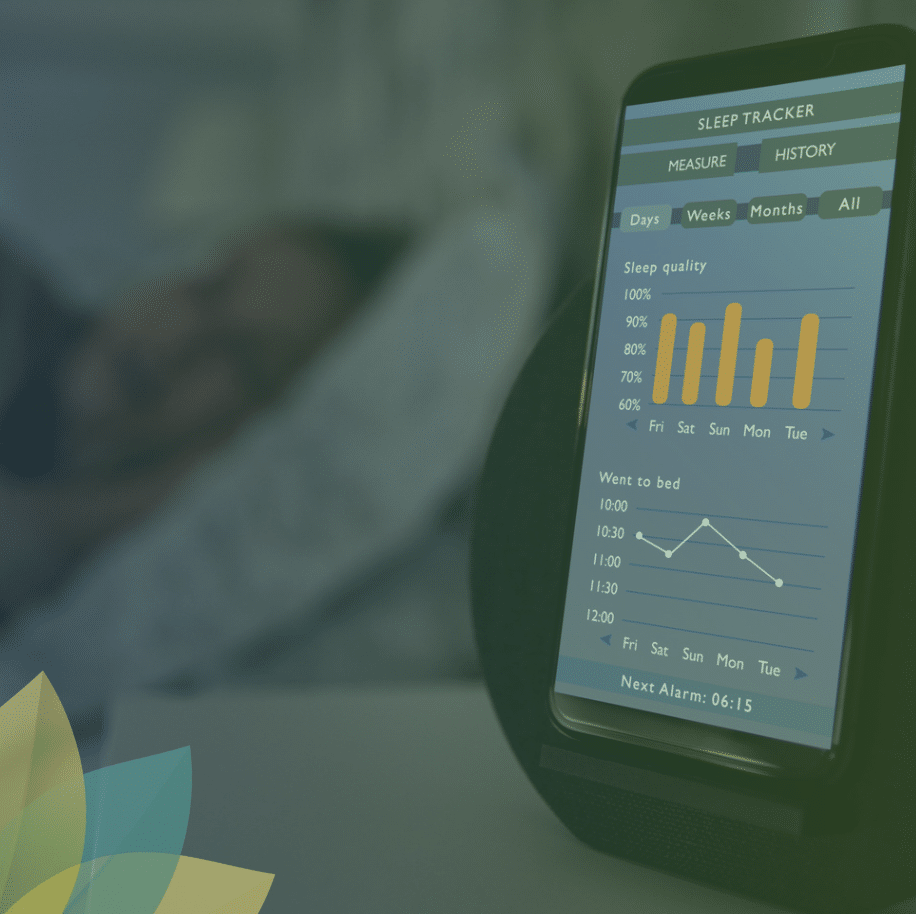
Within seconds, that natural morning optimism evaporates. They suddenly feel sluggish, second-guess their dinner choices from the night before, and wonder why their body seems to be working against them.
This scenario has become remarkably common across the modern health landscape.
When constant streams of biological information outpace the ability to process them calmly, people risk trading natural bodily intuition for screen readouts. Normal daily variations start to look like personal failures, temporary blood sugar responses trigger food anxiety, and the stress response stays activated.
Whether you are navigating your own wellness habits or guiding others through behavior change, here are five evidence-informed perspectives on wearable fatigue, complete with practical health coaching strategies for each point.
1. Trackers Can Trigger Orthosomnia and the Digital Nocebo Effect
In sleep research, clinical investigations continue to demonstrate how an intense preoccupation with perfecting consumer sleep metrics can inadvertently trigger or worsen insomnia-like symptoms, a pattern termed orthosomnia. In trying so hard to measure and maximize nightly rest, individuals experience heightened anxiety around bedtime performance, which directly keeps the nervous system too alert to sleep deeply.
Recent work in digital health highlights that this dynamic frequently sets off a digital nocebo response, where wearable health feedback inadvertently induces symptoms and health anxiety in healthy individuals. When someone wakes up, opens an app, and sees a low recovery score, the brain can register that number as an immediate limitation. Expecting to struggle, the body responds accordingly: the stress response engages, attention fixes on signs of fatigue, and physical stamina drops. A person ends up experiencing genuine exhaustion simply because an algorithm told them to expect it.
Practical Health Coaching Tip: Institute the Morning Tech Buffer
Health coaches can educate clients on the difference between raw sleep architecture and proprietary app algorithms, which rely on mathematical models rather than diagnostic medical sensors.
Work with your client to design a personalized thirty-minute screen buffer upon waking. Support them in building a routine where they hydrate, step outside into natural morning light, move gently, and assess their subjective energy baseline before ever opening a health application.
This simple pause gives the nervous system time to wake up through internal physiology rather than external alerts.

2. Data Context Still Matters: Daily Variance vs. Long-Term Trends
Human biology does not operate in a flat line. Biomarkers shift constantly throughout the day to meet the changing demands of life. Heart rate variability (HRV), which measures the micro-intervals between consecutive heartbeats, reflects the balance between sympathetic and parasympathetic branches of the autonomic nervous system.
In methodological guidelines on heart rate variability, researchers emphasize that cardiac vagal tone is a dynamic marker of continuous adaptation to internal and external stressors, meaning acute shifts after a challenging workout or an intense workday are expected physiological reactions. Similarly, a temporary rise in glucose after eating a carbohydrate-rich whole food is normal digestive physiology at work.
Without context, it is easy to view routine biological fluctuations as urgent problems. People often respond by cutting out nourishing foods, skipping workouts they were excited to do, or carrying unnecessary guilt throughout the day. Monitoring biomarkers without sufficient health literacy and behavioral guidance frequently leads to frustration, perceived stress, and device abandonment.
Practical Health Coaching Tip: Zoom Out to Thirty-Day Horizons
Health coaches are ideally positioned to reframe isolated data points within the broader picture of functional lifestyle medicine.
When a client arrives anxious about a single low recovery score or a standard postprandial glucose spike, help them zoom out to a rolling thirty-day trend. You might ask:
“If we step back from this morning’s number, how has your physical stamina and mental focus tracked across the past four weeks?”
By shifting focus away from acute daily noise, you help the client view their data as a reflection of natural biological adaptation rather than personal failure.

3. Health Trackers Can Erode Body Trust and Interoceptive Awareness
Relying too heavily on digital readouts can dull interoceptive awareness, which is the internal sensory system that detects heart rate, breathing, hunger, muscle tension, and physical fatigue.
When an individual relies on an app to tell them whether they are well-rested, they slowly stop listening to the direct signals their body sends throughout the day. They ignore subtle cues like an aching neck, shallow breathing, or an afternoon craving for fresh air and movement, choosing instead to wait for a notification to confirm how they should feel.
True health thrives on self-attunement. Lasting wellness requires learning to trust internal sensory feedback alongside any external tools in use.
Practical Health Coaching Tip: Anchor in Body-First Awareness
In coaching sessions, make it a practice to ask open-ended, somatic questions that invite the client back into their physical body before reviewing any digital metrics:
- “Before you looked at your screen this morning, what sensations did you notice in your body?”
- “If your device ran out of battery today, how would you decide what intensity to choose for your workout?”
- “When your energy dips in the afternoon, what physical signals tell you what your body actually needs right now?”
By prioritizing the client’s lived physical experience, you strengthen their confidence in their own internal feedback system.

4. Taking a “Tracker Vacation” is Valuable
When checking numbers starts creating dread, hesitation, or constant mental calculation, the most restorative health habit might be taking the device off for a while.
For many people, taking off a wearable brings up genuine unease. There is often a quiet worry that unrecorded exercise will not count toward fitness goals, or that unmonitored sleep will somehow slip backward without supervision.
Behavioral research on fitness trackers grounded in self-determination theory illustrates that continuous monitoring can inadvertently undermine autonomy and competence. When tracking prompts feelings of guilt or external pressure, motivation shifts from intrinsic enjoyment to controlled compliance. A deliberate pause helps remove metric-driven pressure and reconnect with the genuine joy of caring for your body.
Practical Health Coaching Tip: Co-Create Low-Stakes Device Boundaries
A health coach can help normalize the discomfort of removing a tracker and co-create an experimental “tracker vacation” tailored to the client’s readiness:
- Level One (Reducing Distraction): Turn off push notifications, silence readiness alerts, and move tracking apps off the home screen so data is accessed intentionally rather than reactively.
- Level Two (Weekend Breaks): Leave the tracker on its charger from Friday evening through Monday morning to encourage unstructured weekend rhythms.
- Level Three (Full Fast): Take a seven- to fourteen-day pause during a vacation or low-demand week to re-establish intuitive sleep, movement, and eating habits.
Remind the client that wearable technology is simply training wheels for self-awareness, not a prerequisite for healthy living.
5. Approaching Data with Curiosity Instead of Judgement is Best
It is easy to fall into black-and-white thinking around wellness data. When devices use bright colors, scores, and percentages, minds naturally assign moral value to the numbers. A high recovery score feels like a reward for being “good,” while an alert signaling poor recovery can feel like a reprimand.
Self-compassion research led by Kristin Neff demonstrates that self-criticism activates a neurological threat defense that elevates psychological distress and diminishes emotional resilience. Scolding oneself over a low score creates physiological stress that works directly against the recovery a person wants to cultivate.
Shifting from self-judgment to genuine curiosity transforms the relationship with the data.
Practical Health Coaching Tip: Anchor the “Curious Scientist” Stance
Health coaches excel at helping clients reframe perceived mistakes into neutral learning opportunities.
Guide your client to treat their biometrics like clues from a personal science experiment rather than a moral report card. You can model this mindset through exploratory questions:
- “Let us be curious about this together. What do you notice happening to your resting heart rate when dinner finishes ninety minutes before bed?”
- “What shifts in your sleep data when you read a book under soft lighting compared to answering work emails on your laptop?”
When the pressure to earn a perfect score is removed, clients can engage with their biometrics with curiosity and personal agency.

How To Restore Balance to the Health Journey
Technology can organize millions of data points, but it cannot cultivate self-compassion, clarify core values, or guide a person through complex behavioral change.
In a functional approach to well-being, wearable devices can serve as helpful observational tools in the background. The health coach’s true role is to ensure those tools remain in service of human connection, intuitive self-trust, and sustainable lifestyle practices.
By helping clients move from hyper-vigilant tracking back to grounded, attentive living, health coaches restore wearables to their rightful place: supportive companions on the journey rather than arbitrary judges of personal well-being.
Our Latest Blogs
-
5 Things Health Coaches Should Know About Wearable Fatigue (and Data Paralysis)
Read Full Article: 5 Things Health Coaches Should Know About Wearable Fatigue (and Data Paralysis) -

Alumni Spotlight: Bethany Wheaton
Read Full Article: Alumni Spotlight: Bethany Wheaton -

The ‘Practitioner’ Liability Trap: Health Coaching vs. Practicing Medicine
Read Full Article: The ‘Practitioner’ Liability Trap: Health Coaching vs. Practicing Medicine

