

On Wednesday, July 29th, FMCA hosted a special live webinar with Hailey Rowe and Robert Notter. In this session, Robert and Hailey shared practical mindset and marketing strategies to help you attract clients, grow your practice, and thrive in today’s health coaching landscape.
In this webinar replay, you will learn:
- How to attract your first (or next) health coaching clients with practical, proven marketing strategies.
- Why mindset plays a critical role in building a successful coaching business, and how to overcome common obstacles.
- How to create a health coaching career that aligns with your lifestyle, values, and long-term goals.
- Actionable steps you can take today to build momentum, grow your confidence, and turn your passion for health coaching into a thriving career.
Watch the Replay
6 Ways to Succeed as a Health Coach in 2026 & Beyond:

Hailey Rowe has helped thousands of health coaches build their client roster, overcome marketing overwhelm, & stand out online. She’s been named one of the Top 25 Coaches in Chicago (Chicago Entrepreneur Magazine) & one of the Top 6 business podcasts for health coaches (Primal Health Coach Institute). Since 2010, Hailey has worked in the coaching industry & business development/marketing for startups. Hailey is also the host of the podcast Health Coach Nation, a top 1% podcast globally (ListenNotes).
Hailey’s philosophy: You can have an amazing service and impact to make, but without a strong mindset, and sales and marketing plan, your business will remain a hobby.
Connect
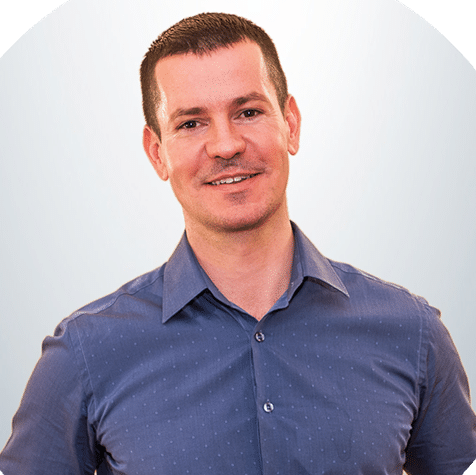
Robert Notter is a health coach and business coach dedicated to empowering health coaches and wellness entrepreneurs to navigate marketing with clarity and confidence. He helps practitioners develop actionable, authentic strategies to build meaningful, profitable businesses doing work that makes a difference.
Over the past 22 years, Robert has worked with and taught more than 150,000 practitioners around the world. His speaking and teaching engagements have included organizations such as the UKIHCA where he is the USA Ambassador and many of the top health and wellness schools globally.
He has played a key role in the development and expansion of the health coaching field both in the United States and internationally. He is proud to contribute to the mission of the Functional Medicine Coaching Academy.
Connect
Transcript
Dr. Sandi: So, I want to turn it over to two people who I really respect so much in this field of marketing, of how to grow your business, how to launch a career as a health coach, whether you are going to be working collaboratively with a clinician, whether you’re going to launch your own business. And even there, you are still working collaboratively. You are still part of a care team with other healthcare providers.
So, I am going to turn it over to Hailey Rowe and Robert Notter. They are really experts. They specialize in marketing for health coaches. They have a background in health coach. They are part of our FMCA community. They have presented for us in the past, and I hope will continue to do so. And everybody who has been in their presence has learned from them, has learned so, so much. So, I’m going to turn it over to Hailey and Robert. Welcome, Hailey and Robert.
Hailey: Amazing. Thanks for having us.
Dr. Sandi: Thank you. And one more bit of housekeeping. We’ll be turning off the chat, and we hope that you will have questions. If you do, you can put it at the bottom in the little icon with Q&A. So, we will get to your questions at the end of the presentation.
Hailey: So, today, we’re going to be talking about the six ways you can succeed as a health coach in 2026 and beyond. My name is Hailey Rowe. I’m a marketing and sales coach and strategist. And I originally sold fitness DVDs in high school, of all things. That was my first attempt at sales. And I quickly learned that I loved health, personal development, all of that. So, I got more certifications, and then I got my bachelor’s degree in entrepreneurship.
And then I started working in the startup world in business development and marketing for health companies. And one was like a biohacking company, and one was a coaching certification company. I loved it, but in 2017, the entire team got let go in a day. And that’s what led me to start my own business. They were not ready to open when they thought. And I decided I want to help individuals who are in this space be able to take their business to the next level because, let’s face it, the part that you’re maybe scared about when you become a health coach is, oh, my gosh, I have to get clients. I have to learn how to market myself.
So, that’s a little bit about my background and how I got into helping health coaches market and build their business and book clients. Robert, do you want to share before we go into my first slide, just briefly introduce yourself and your story, too?
Robert: Yeah, for sure. Well, I was also in the corporate world for quite some time. And I was one of those people who would get up in the morning, have my clothes laid out in the order I was going to put it on, got into the subway, got to work. I live in New York City. But I’d always been interested in health and wellness. And long story short, one day, I was just reading about nutrition and health coaching, and came across a school and ended up enrolling in.
So, I’ve been a health coach now since 2003. I left my corporate job in technology consulting because I really felt that there had to be something more to life than doing work that really didn’t inspire you. So, I graduated from my health coach training program, went on actually to teach a big portion of that school’s program. And I left my corporate job a month after I graduated from health coaching school with a wind in my pocket or whatever the phrase is, all my stuff in a box in a cab here in New York City. And I’ve never looked back, and I’m really honored to be part of this community. And I’ve had the honor now for over 20 years of coaching health coaches and wellness practitioners to really understand how to grow practice, doing what they love and to make a difference. And that’s really my philosophy is that we’re all really here to support each other.
So, it’s been quite a journey. You know, I’ve had the honor of teaching for so many wonderful schools over the years. And I’m just delighted to be here to support all of you and to let you know that people like me and Hailey, we have done this. We’ve had the courage to leave our jobs and to move forward to help others and do what we really want to do to help make the world a better place. And I’m delighted that you can learn from all of us today and just be sure as we share as well. Just know that we were once in your shoes doing something or maybe we were coaching or wherever you are, wherever you aspire to be, know that it is possible. And so, take in what we share today with an open heart and open mind, and know that this community is here to support you. So, I’ll turn it back over to Hailey.
Hailey: Awesome. Thank you. All right. Natalie, we can go to the next slide. So, the first thing I want to share with you today, if you really want to become a health coach, is you are stepping into entrepreneurship. Even if you’re working for a company as a health coach, you still have to have the ability to keep your clients, the ability to put yourself out there in the interview. And so, it’s really important, no matter which path you’re going to go on, that you know what are the client-generating steps and not just falling for busy work when you become an entrepreneur. Because let me tell you, there’s going to be so many opportunities for distractions. People are going to tell you, you need a fancy website before you start. You need to do ads right away. You need to do all these different tactics. And the truth is we actually just need to get focused on what I call the client-generating steps.
So, if we go to the next slide, I’m going to share with you what those are. And I’m going to go deeper into each one of these later on in the presentation. But first, I just want to introduce them to you so that you know, when you’re trying to decide what to prioritize in your business and you are trying to figure out how do I take a stranger to an actual client, these are the phases and the steps that they’re going to move through. So, as I share these steps with you, I want you to think about either if you’re a current coach, what are your gaps within these steps? Or if you are brand new, just know these steps so that you at least have a bit of an idea of what marketing and sales is all about.
So, the steps are connect, engage, pre-offer, and sell. And what I mean by that with connecting is we first need to determine how are you, as a health coach, going to be visible to your ideal clients, or how are you going to be visible to collaboration partners’ audiences? Meaning, you can actually get in front of a large audience at one time by finding partners who complement what you do. So, maybe you’re a health coach and maybe there’s an acupuncturist in your community, and you guys could partner together and co-host a workshop. Or maybe you could guest teach for somebody else’s audience who shares a similar audience to you, but doesn’t offer the same service as you. So, there’s many different ways to connect, but we need you to be visible. And we need you to not just rely on hoping to be discovered. So, sticking up a website and then saying, I’m done. I did it. Where are the clients? So, connecting is that first step.
Then we need to engage people. So, we need to actually find out what our audience would find useful, how we can be helpful to them, and make sure that we are delivering on that and not just guessing what people want, but actually listening to what they want and need. So, this is where we actually ask a question to our audience. And this can be in your posts, this can be in conversations, this can be at networking groups, but basically asking, hey, what kind of content would you find super helpful when it comes to PCOS health solving or fertility issues or weight loss or whatever it is that you want to coach on, making sure you’re engaging about what would they find helpful.
And then when we have that information, it really allows us to deliver on it. Meaning, we can give what I call a pre-offer, which I call it a pre-offer because it’s kind of like something that gives value or a quick win upfront to your audience. It provides some kind of solution to your audience to build trust and allow them to see, wow, okay, if this free offer was so good, I wonder what the paid offer is. I wonder how I could work with this person ongoing.
So, usually, what I like to do for a pre-offer is to have something called an email lead magnet, which basically is something where people can give you their email address in exchange for some kind of checklist or video class or live workshop online. But that’s a great way to start. Number one, building your list to continue to nurture those people or build trust with those people and email them, but also deliver something of use to them. And then, naturally, it will become an opportunity to invite some people to your sales process.
So, not everybody makes it to the last stage right away. There’s going to be people in your audience who need more emails from you, more nurturing, more value from you before they’re ready. But some people will be ready to say, hey, I want to book a discovery call with you, or I want to have a health assessment call and learn about your health coaching. So, this is where we actually invite…we make that invitation at the end of our email funnel or series, or when we are delivering our freebie and afterwards we transition and say, hey, if you do want more of this, you can book a call. Here’s why you may want to do that, that kind of thing.
So, you don’t need to get into the weeds of all this. I just want you to know these are the phases that someone moves through. And in my next tip, I’ll share with you how we go deeper on all of that, but I’m going to pass it to Robert for tip number two.
Robert: Thank you. So, the important thing to understand is that a lot of coaches and people who are aspiring to be a coach tend to look at their business as each part. So, here’s my website, or here’s the marketing I need to do, or here’s my Instagram, or here’s this and that. But, really, your business functions as an integrated whole, just like the body does. The kidneys, the liver, the lungs, everything works well to keep the organism healthy. But a lot of practitioners see the whole big thing they need to do to grow a practice, but they don’t realize that the core of building a business is themselves.
So, I’ve developed a model. Really, it’s the integration model — we can go ahead and go to the next slide — which shows you that growing your practice is about aligned connection between your own personal insights and growth, and your practice growth. Because, really, when we come to be coaches…I mean, I certainly know, for me, is that I wanted to make a big difference in the world. And obviously, we live in a world where we have to earn money and pay our bills and all those things as well.
So, when you look at this model, what it does is it really has you at the base of your success because who you are and what you believe in, your identity, your values, your personality is really what’s drawing people to you. And yes, you need a system in place in terms of emails and communication and client retention, all those different things. But what I’d really love to share and what makes my work so special to me is that I teach students and clients how to really align their internal world, their mindset, their beliefs, their personality with their outer expression.
So, when you can have your marketing be a true expression of your own uniqueness, then what happens is your messaging, your visibility, your communication really speaks to who you are. And then you have that, which I’ll get into in my next section, in a way that is aligned emotionally and resonant with what your ideal clients are looking for so you’re speaking their language. And then, of course, you have a business framework. You have your programs, your offerings, your time management, all these different things. We’re not going to cover that today, which then affect the results.
The thing that’s important to understand is that we can teach you all the best marketing strategies in the world. But if you don’t have a solid foundation of confidence and trust and belief, as well as the communication systems and marketing systems as well to support that, your business will not succeed as quickly.
So, if you’re just starting out or you’re already a coach, what we share today can really help you to see the bigger foundational pieces. And if you are thinking about becoming a coach or joining this community, you can begin to see how all the pieces fit together synergistic.
We go to the next slide. What a lot of coaches do when things aren’t working as they would like it to is they just sort of push forward. I just need to get some more followers. And I’ve got an Instagram. Why is no one marketing to me? They’re wondering why things don’t work. So, they post more often. They go on another coaching skill, another training. They lower their prices because no one’s wanting to spend that kind of money.
But what they don’t understand is that, oftentimes, it’s about really speaking the language of your ideal clients in the right way and at the right time, which we’ll cover in my next section. It’s also understanding that it’s about building trust. Someone won’t just find out about you at a health fair or, you know, out about it at a networking meeting and maybe instantly want to step into a conversation or a program with you. So, you have to begin, again, to think about seeing your practice through alignment. So, it’s an expression of yourself. Your marketing is connected to your values. You’re speaking the language of your ideal clients, and there’s a system in place to bring them from first hearing about you to then connecting with you. And that’s where trust has to be built.
As you’ll see on the next slide, there really is this missing link between interest and enrollment. The next slide. There. So, many practitioners assume, if someone sees their Instagram post or if they’re interested, they’ll naturally just move forward. But interest and first seeing you or hearing about you does not necessarily mean they’re committed to doing something later on.
And as you’ll see in the next slide, trust must be built consistently. Here’s the thing. We live in a very busy world. And listen, when I started out, you know, 22 years ago as a health coach, there was no Instagram or TikTok or social media, and things weren’t quite as busy. But now, you really are competing for people’s attention, their inboxes. And people are sometimes busy. They get distracted, or maybe they’re interested in hearing more, but they’re not quite ready to go from first base to the home run, which is signing up for your program. And you have to understand, too, wherever you are in your business growth, that one post or workshop or conversation is rarely enough. Trust is built through repeated moments over time. So, you have to have a system in place to bring people from, first, recognizing you to being committed to doing something that will engage and work with you to pay you to achieve the results they want. And I’ll talk about the result piece in the second portion. But let’s go to the next slide.
So, there is a bridge between interest to commitment. So, it really starts with curiosity. Where can you show up? Where are your ideal clients already gathering so you can share something with them that has them receive value from you so they can understand how what you do is of benefit to them? So, how to open that doorway to then build trust with them so they begin to have clarity about what you do, and they have confidence in how you can help them.
And the thing to keep in mind, too, is that your potential clients are all wanting to know what’s in it for me. How can you help me overcome the challenges that I feel I have, and how can I reach the results that I feel I need? And the thing, too, that’s important to understand is that many times I see coaches sort of marketing to what…or speaking to what they think someone might want, but they haven’t actually asked their ideal clients what they’re looking for. So, you have to give people what they want and do so consistently. Just happening to get someone’s business card at a networking event or posting on Instagram here and there inconsistently will bring inconsistent results. Because people will hire the coach or the practitioner who’s been top of mind and who understands what that person is looking for. So, they actually enroll with you and they’ve built this trust. And marketing really is about building relationships of trust over time with those who want and need what you have to offer. So, they commit to having your support to achieve their results. And that’s what brings lasting clients.
If you go to the next slide, this will also illustrate really the client pathway. So, there is a real ecosystem for trust and clients and growth. And it comes down to understanding that people will hear about you in certain ways, whether it’s public speaking or social media, maybe it’s through referral partnerships, collaboration partners. Maybe you have a friend who is a yoga teacher who wants to invite you and do a workshop, or maybe you have a physician who would love to share your business cards with their patients. Finding a way to bring someone in to your world. So, there’s an entry point, whether it be a newsletter or free guide, a video, audio, and we’ll talk more about that a little bit later.
And then, again, once they’re in the door, the trust-building journey continues. And then you can begin to offer to meet people where they are. And not everyone’s ready to jump into your private coaching program right away, potentially. They might need to first experience your workshop, your group program. It might entail a little more trust-building because, again, marketing is about building relationships of trust over time with those who want and need what you have to offer.
So, just begin, you don’t have to have all this figured out now. I know this can seem like a lot, but it’s important to understand the bigger picture. So, you treat your business as a sum of all of its parts, as opposed to a hobby that you dabble in and get around to when it’s convenient.
So, just as an assignment for you on the next slide, begin thinking about if you’re already in business, where your clients might be spending time. Collaboration partners, social media, maybe local spaces, gyms, all these different things, your network, who you already know. If you have not yet started a business or interested in becoming a coach, just begin thinking about, well, who might I want to help and where do I feel they’re already spending time?
And in my next section, I’m going to share with you how to begin speaking in a way that really has that person understand how you can help them. So, just start thinking about all of this and where you feel your clients might be.
Now, the next step, check one thing to deepen in the next couple of weeks. On the next slide, you’ll see. So, pick one visibility channel. Where do you feel you can start? Now, a lot of times coaches do 10 different things at once. When you’re doing a lot of things at once, you often have a diminishing return on your time investment. So, just pick one visibility channel that you enjoy doing, where you feel your clients are spending time, and begin strengthening that. And I’ll share some tips on how to communicate more effectively in the next section. Hailey, turn it back over to you.
Hailey: Great. All right. So, now, we’re going to dig a little deeper. And actually, this really aligns with what Robert was just mentioning, where we need to figure out what’s your visibility channel and how are you going to actually execute that. So, if you go to the next slide, we’re going to talk about how you can apply the four steps of client attraction I shared earlier. So, connecting with people, engaging with people, making pre-offers, and then being able to make more sales.
So, the first step of that, as we talked about, is determining your visibility channel. And when it comes to choosing smart…because just like Robert said, there’s so many options. You could do collaborations. You could do a referral program, things like that. So, one of the things that I really like to do with my clients to help them pick wisely is look at our past, look at the present, and look at the future. I do a little exercise, and I want to do it with you so that you can pick what’s going to be your 30-day visibility channel you’re going to commit to, but be picking based on what has worked in the past, if anything.
So, the first step is to look at your history. And if you’ve had any practice clients, even if they were free, or paid clients or inquiries or discovery calls booked, I want you to think about how did they find you? How did that come about? Where did you guys connect? Because that would be what I would pick first, as what to do more of and to do it better, instead of just going for a new, shiny object because you think you need to be on TikTok just because your friend Sally is on TikTok. So, what has worked in the past is the first question.
Now, if you tell me, because I work with a lot of beginners, Hailey, I haven’t had any clients, I haven’t had any interests yet. Well, then we can look at what are you presently doing, if you’re trying anything? You’re going to put on your scientist hat. You’re going to say, I’m going to make a hypothesis. I’m going to try going to this networking event. I’m going to see if it works. But we need to presently look at, okay, what are you trying? Even if it hasn’t yielded the result yet, out of the things that you’re trying, what is indicating it’s going in a positive direction? Meaning, maybe you didn’t book a client at that health fair, but you did gather five email subscribers. And so, that’s a sign. Okay. That might be working better than the Instagram post you did that got zero comments, zero likes, zero email subscribers. Right?
So, present, that’s the second phase we can look at is like, what are you presently doing that we could maybe milk more? Then we got to look at the future. If you’re like, nope, still nothing. Nothing’s working. Okay. Well, then let’s look at the future. So, look around. Look at health coaches in your field doing what you want to do. Come to communities like this where you can learn what’s working for others. And based on those clues that you’re getting from other people, you can decide, you know what? I think that could work for me, too.
And you also want to consider, when you’re choosing your visibility strategy, your strengths. So, if you’re really good at being on camera and talking to people, maybe you’re going to pick something like being on podcasts, or maybe you’re going to start a YouTube channel as opposed to a blog because you love being on camera, talking, all the things. So, consider your strengths, consider what you could find sustainable. Meaning, if you hate Instagram, maybe we don’t start there. There’s other options. Right? And then what you need to do by the end of this exercise is decide your 30-day. Okay. I’m going to commit to XYZ, whatever it is.
So, if we go to the next slide, once you know your connection method, now, you have to actually engage with your audience. So, as we just talked about, you can’t make up what you think people want and need from you. You need to actually ask. So, let’s say you decided, I am going to use LinkedIn as my platform. Okay. So, if that’s the case, maybe what you’re going to do is, when you get new connections in your network…because that’s something you can do on LinkedIn. It’s a networking platform.
So, you could send out connection requests to either your ideal partners or your ideal clients if you work with busy professionals, for example. And when they accept your connection requests, maybe you ask them what kind of content would they find useful? Like you’re saying, hey, thanks for being a part of my LinkedIn community. I’m really excited to learn more about you. And I’m trying to make my content super helpful for busy professionals. Is there anything that’s on your mind when it comes to health? Do you have a challenge when it comes to health? Do you have a goal when it comes to health? I’m trying to plan my next post. I’d love any input. I’d love to make it super helpful. So, we are engaging. We’re asking an intentional question.
The other thing you could do is, if you’re trying to engage with collab partners, simply putting together your pitch. So, hey, we are both in the same field. We serve the same clients. We have a similar mission, but we deliver it in different ways. It might be really fun to explore collaborating. Would you be open to that? Would you be open to connecting sometime? Would you be open to a collaboration? Right? So, we’re asking those questions. And same thing in your community. If you meet someone at a networking event or something and you guys could collaborate, asking the question, do you do collabs? Is that something you’re open to?
So, if you go to the next slide, I’m going to show you where we take all of this. So, you’re starting to do collabs. You’re starting to connect with people. They’re starting to share with you what they find helpful. Well, now, we need to get them more into our world. Meaning, we need to have a way to continue to build the relationship and the trust. And the way that we do that is that pre-offer that I mentioned. So, what that is, is going to be…you know, Robert shared a couple of different ways you could do pre-offers in his slide that had phases you move through. But one of them that was in there was what we call a lead magnet.
So, this is something where you give a free checklist, free class, whatever it is in exchange for an email address so that you can continue to nurture those email people and deliver value upfront. And think of your pre-offer. A lot of times, I hear coaches say, well, I don’t want to give too much away for free. And I agree with you. You don’t want to give something that’s super overwhelming, that’s a huge project. You don’t want to give a 200-page ebook. You want to give something that’s very manageable. But don’t hold back the value. You want it to deliver a solution. You want it to deliver a dream outcome, because even if something’s free, it’s still people giving you their time to use your freebie. So, it has to be worth it to them. It can’t just be free recipes, free guide, free health tips.
So, if you go to the next slide, one of the things that you want to consider is how can I make it a tangible result for my audience based on what they need right now? What’s an urgent pain point or goal that they have that they would find helpful?
And so, let’s say I specialize in helping people stop overeating. I help them with cravings. I help them with feeling out of control around food. Maybe my freebie could be something around nighttime overeating. Maybe it could be something very tangible. Here’s a five-minute ritual you can use tonight to stop overeating, nighttime overeating. Notice I’m not saying how to stop overeating at every occasion. I’m getting more narrow and getting more focused on a specific urgent problem they’ll probably have in their day-to-day, and I’m making it more tangible. And maybe the exercise is just something that will calm them down and help them go into the meal more intentional, and get them started on their ending overeating journey.
The other thing you could do is if you don’t have an email list or an email system yet, because you’re like, whoa, whoa, whoa, tech, that’s going over my head. You don’t need that to get started. You could just start by offering a free themed call to your social media audience. Maybe it’s a free stop overeating at dinner jumpstart call, and it’s something that you just do one-on-one. Because if you’re new and you have the time and the capacity to build up your first client, and you want to offer that as a free little intro offer and you don’t have an email sign-up page or anything like that, that could be something you start with. Or in the community, the free workshop, you could do that and gather emails there, pass around a clipboard and say, afterwards, you’re going to send out a free guide. So, we’re making that pre-offer so that we can deliver a quick win upfront.
And then if we go to the next slide, what tends… I want to show you the screenshot here. What tends to happen is it leads to easier sales because people are like, oh, okay, I trust you. I’ve worked with you before. And so, these are screenshots from clients who had good pre-offers that led to sales calls. So, one of my clients got five strategy calls in two days. Another one got more web traffic, people perusing their services on their website.
So, then if you go to the next slide, we now transition to our sales process. And this is where you invite to that call, or maybe you have a webinar with the sales portion in it. But this is something that I want to share.
So, the first thing is you’re going to naturally invite to the sales process. You’re not going to force it. So, you’re not going to say, hey, everyone, you need to sign up for a call or else. You don’t skip to this step either. You’ve had to do the other steps before this. But when you get to this point, it’s really important to have these three core beliefs to succeed at selling. You need to have belief in yourself. You need to have belief in your ideal client or your client, whoever you’re working with, and you need to believe in your actual offer.
So, what I mean by that is you need to believe in yourself as a coach that you can help people, that you are strong enough as you are right now to help people. You don’t need to be perfect. You need to believe in your ability to take rejection and hear no. You need to believe in yourself and your ability to feel hard feelings. And you also need to believe in your client that they are capable, that people want this, that there is a demand out there for health coaching. And if you don’t believe that, it’s probably going to interfere with how you sell, how convicted you are. And then belief in your offer. You need to believe that coaching works, that coaching helped you maybe, or that you see the evidence that coaching is a solution for people to help them get to their goals. And you believe in your actual process. And FMCA can help you build that coaching confidence and your skills. So, these are really important.
So, I’m going to give you some prompts. If you go to the next slide to either take a screenshot of or write down so that you can reflect to start strengthening these three beliefs. So, right now, you’re like, I got some holes that I need to work on. Use these prompts to help you start building more confidence.
So, the first thing is, what are three reasons why people would want to work with you? That is something that can strengthen your belief in yourself. Think about why you, as opposed to other coaches, why maybe your story is really compelling. Maybe you understand busy moms and that’s your niche, and you are a busy mom. And so, you’re leading by example. But write down what you think makes you unique. And then write down what pain points or goals are you seeing in the marketplace? This can build your belief that there’s a need for coaching, belief in your clients that they want and need what you have to offer.
So, you can do a little bit of researching if you want. You can go look at forums, you can listen to podcasts, you can kind of look around and see what pain points are these experts posting about, writing books about, answering, what kind of Q&As are people getting out there. So, you know that there is a need for this.
And then building belief in your actual coaching offer and that it’s needed and that it’s something that can be really helpful for people is ask yourself, what’s the practical and emotional cost to my ideal clients, and how does my offer help solve that? Because it’s very easy to just think about the investment of coaching. Oh, it’s a cost. And not think about, well, what’s the ROI? What’s the cost I’m actually saving them from or that they won’t have to go through because they had a better system, they have better support? All right. So, take a picture of that and you can reflect later, but you need to have that confidence to be able to close the sale.
Robert: That segues really well into what I want to share now is that people are not buying something from you or investing in your work because it has the perfect name or the perfect website or the perfect brochure. They’re investing in it because, if you go to the next slide, the purpose of effective and authentic marketing is not for people to know your features or your services. It’s for them to feel that you really understand them and what they go through, what they really want and need. You have to speak to those pain points, to speak to those goals, speak to those desires.
And I find that a lot of practitioners oftentimes are posting sort of generic or sort of safe in their comfort zone information on your website and speaking about balance or wellness or learning to eat better and achieve your goals. Well, those are great, but someone who’s really busy and stressed out, a busy corporate mom who hardly has time for herself or her kids, she needs to really fully understand that what you do is going to bring her return on her time and return on her investment.
So, you go to the next slide. You’ll see the success formula really is, in order to effectively connect with your ideal clients, you must identify and speak to their specific challenges and goals and feelings. And then through your marketing and your authentic motions to guide them from where they are to where they want to be. And a lot of people I see, my clients…I have a client working with now, we just actually changed how she was posting on Instagram and the text on her website. And she’s added another two in her contacts to her list just in a couple of months because she stopped talking about wellness and balance and food choices. She started speaking to the challenges and goals and feelings.
If you go to the next slide, you’ll see that people connect with what matters to them. So, once someone finds you, they immediately ask, is this for me? People do not need to connect with the how you do what you do. That will come as you work with them and as you explain to them once they’re invested in taking the next step. People connect with their own experiences, and they need to know, do you understand me? And can you help me get to where I want to go? And that’s really what it comes down to is the what’s in it for me.
And if you go take a look at the next slide, you’ll see that not all posts are created equal. So, on the left is what a lot of practitioners do. Eat more vegetables, drink more water, take better care of yourself. That’s great. We all understand that. But you have to get to the root cause of what’s going on. So, why are you really exhausted? You need to get to the cause. So, chronic stress, people pleasing, depleted energy.
When you can help someone see through your authentic and compelling marketing that you get what they’re going through and you speak in the exact language. If you could imagine that you are walking around with them, a little bird on their shoulder and hearing them complain about the things that are causing them to feel challenged, as well as the things that they’re looking to accomplish, those are the words you would want to use in your marketing and your website, on your Instagram and your discovery calls and your referral partnerships.
So, if you go to the next slide, it’s really about craft a resident message that speaks from the heart. So, drop the buzzwords. Use real and emotionally compelling language. Share what you believe and value, not just what you offer. So, ask yourself that question. What do I want people to feel when seeing my promotions? How do I want them to see themselves in the words that I choose? And am I speaking specifically to those pain points? And as Hailey and I have shared, having a next step that will help them work through one of those specific pain points.
Now, the thing to consider, too, is that, in your program, in your…maybe your three-month program, you’re going to walk them through with that accountability, how to overcome their challenges, reach their goals. They’re not going to get all of that from you in a 200-page ebook. They’re going to download it. They’re not going to look at it. And they’re going to think, wow, this is too overwhelming. So, you’re going to pick one small step at a time as you build that trust with them in the system that we share.
The next slide, just another couple of examples for you. So, which message is more compelling? Health coaching services, functional medicine coaching, personalized wellness, or wake up energized without depending upon caffeine. Stop starting over every Monday. Finally feeling control around food.
So, an action step for you to review is to look at your current marketing. And are you describing the features of what you do, or are you using general sort of buzzwords, you know, balance and stability and wellness? And people don’t need to know that you’re going to help them create a better lifestyle and balance their eating. Yes, those are important. They need to know what they’re going to get out of it. So, an action step for you to review is where are you speaking to those desired outcomes or where are you not? And begin to pick one of those channels to start improving.
And next slide, please. You can see that you can do this on your email promotion, social media, website. Just pick something and begin to improve your communication as you pick that one visibility channel. And speak the words that you feel your ideal clients would say if they were sitting across from you.
And really important, just a quick reminder for you on the next slide, is that it’s all about being of service. It’s serving before you sell. You’re not going in to just get that client. You’re there to be of service and help people. That’s why we are all here together. And that’s what this FMCA community is about is teaching you how to build these wonderful skills and to serve and help the world become a better place. The strongest businesses are built in generosity and trust.
The next slide. Real quickly, just take a quick screenshot of this. I’m not going to walk through this. I’m actually going to offer you a special bonus at the end that will have this as part of that, but just take a quick screenshot. And this is how to talk about what you do if someone asks you. And this is my formula for your visibility message. So, just take a quick picture of that. And then I’m going to turn it back over to Hailey.
Hailey: All right. So, tip number five is, as you’re hearing all this, you’re probably getting excited. You’re probably getting ideas, and you’re going to want to research and sit with it and brainstorm. And that’s great. But one thing I really want to highlight for new coaches, entrepreneurs, is to spend more of your time implementing and creating value out in the world than sitting in your room, consuming information, reading books, listening to podcasts.
So, if you go to the next slide, here’s what overconsumption looks like. So, this is what I mean when I say, you know, don’t stay hidden in your room, listening to stuff. It can feel very productive and feel very good, but it can also lead to you saying, you know, I get overwhelmed easily because I’m hearing so much information, or you falling it for perfectionism, like thinking, you know, I can’t do any of this until I got it perfect. I need more information before I can implement. I need to really make sure the website’s perfect before I launch. You need more information before you can implement, or you start to fall into the pattern of saying, I never have enough time. Where does the time go? I’m just spending it all researching. I’m spending it all consuming and not enough creating.
So, if you go to the next slide, I’m going to give you a process to help you stop staying in overwhelm and actually get into action. Stop staying in overconsumption mode and actually implement. So, the first step, one…you could do this once a week. You could do this once a day, whatever you need, but brain download all of your thoughts. So, if you have a lot of ideas right now or you have a certain project in particular, that you’re not taking action on that you want to be, write down all your thoughts about it. Okay. So, write down all your thoughts about marketing.
And then what I want you to do is look at the list and separate the facts from your thoughts. What you’re going to realize is a lot of the things you wrote down are you either being overdramatic, you making up a problem that doesn’t exist yet, you being a perfectionist and waiting to take action until something’s perfect. So, the fact would be something like, I have a goal to get one client this month, or I have two paid clients. But your thoughts about that might be two clients is not enough. I’m not moving fast enough. I need to do more. You’re going to have a lot of thoughts.
So, what we need to do is look at what…which one of those thoughts is causing you to stay in inaction and overconsumption mode the most. And there might be more than one, but pick one that’s causing you the most pain and the most paralysis. And I want you to ask solution-oriented questions about it. Like, what might be the next logical step? How can I support myself with compassion? And instead of telling myself I’m not enough or whatever the thing you wrote down is, try to poke holes in it. Ask good coaching questions. And by the way, this is going to help you become a better coach for your clients when you’re able to coach yourself through your own limiting beliefs, your own thoughts that are causing you inaction.
So, then what you want to do is get specific on something you can do to move things forward. And sometimes it’s not an action step. Sometimes it’s just you need to level up a belief about yourself and start building more evidence for it. So, if you’re telling yourself all the time that you can’t market because you’re shy, what if we explored and, you know, a thought that’s not just labeling yourself as shy all the time? What if it’s, you know, I may be introverted, but I can promote my mission because my mission is more important than me staying hidden or whatever it could be. But like, explore a new belief for yourself or new action stuff you can take, especially if it’s a strategic problem you need to solve, then it might be inaction. But sometimes it’s a mindset block you have to work on.
And then what we want to do is get into imperfect action, building new evidence for new beliefs, and evaluating every week to see how you can keep improving, what you want to do more of, what you want to do less of, what’s working, what’s not working. But that is how we actually move forward in our business instead of staying in that over consumption mode.
So, if you go to the next slide, one thing you can do as well, as a good rule of thumb, is to use the one-to-one consumption rule. So, what I mean by that is, for everything you consume, aka today, this presentation, afterwards, instead of going and consuming more podcasts, more books, decide one thing you’re going to do from this, one action you’re going to take. And also, every time you listen to a podcast, every time you read a book, every time you consume something, make the habit, I am going to do something with that thing. And even if it’s just one thing, and then you park all the rest of the ideas for later, that’s fine. But that’s going to be useful for not getting into overconsumption mode.
And if you go to the next slide, one thing I just want to advise as well is when you are saying, okay, from this training, here’s what I’m going to do afterwards, don’t be vague. Set a very specific outcome. So, whenever you make your to-do list, or whenever you decide what you’re going to do from something you consume, don’t just say, I’m going to go update my website. That’s a huge process. There’s many pages on your website, or there’s many sections. Instead, you’d be more specific, and you’d say, I’m going to come up with a captivating headline for the top of my website by the end of this hour. Notice how much more clear that is.
And so, you’re not going to feel defeated all the time, because you’ve actually set an outcome that you’ve achieved. And you’re building confidence in, number one, keeping the promises you make to yourself as an entrepreneur, and number two, actually moving things forward. So, make sure…and same thing with, like, I want to be on podcasts. Okay. Well, by the end of this hour, I’m going to draft a podcast pitch for one podcast, or whatever it could be. So, make sure it’s specific. All right. I will pass it over to Robert.
Robert: So, what I can tell you…and I’ve coached thousands and thousands of practitioners over the past 20 years. And I’ve noticed that, really, your success in practice is about 20% marketing, 80% mindset. So, go to the next slide. And I just will show you quickly, I shared an integration model that your inner alignment is really what fuels all of your success. Because how you feel on the inside, like Hailey shared, if you tell yourself you’re shy, then that’s going to show up consciously and unconsciously in the actions you do or don’t take.
So, you go to the next slide, you’ll see that, really, your practice is a mirror. So, all the things on the inside, your beliefs, what you feel to be true, even though it might not be true, where you put your focus, where you direct your attention, how you feel about your work. If you’re telling yourself, I don’t know enough, I’ve got to learn more first, well, that’s then going to trigger a feeling, which triggers another thought, which then influences the actions you take. So, in all that, really, truly, from the inside, I’ve really learned in my practice all the years that your external success is really a reflection first of your internal world. Because we can give you all the best tips today on creating emails or websites or marketing, but if the little voice inside says, I can’t do it, I’m not good enough, I don’t know enough, money doesn’t grow on trees, it’s too complicated, that’s going to affect all that you do. And it’s going to affect what shows up, clients and money and results.
So, go ahead and skip to two slides ahead and to slide number 40. So, what you see here, when you sit down to work on something in your practice, here’s what happens. You have a goal. All right. So, I would like to send out an email to a potential podcast collaboration partner to see if I could be a guest speaker. The brain then goes, well, you know, you’re not a good speaker. It’s too difficult now to do this. People are busy in the world. That triggers a feeling, triggers an emotion, which says, you’re not just good enough in your body. Another belief comes in. Yeah, you know, I’m a shy person. I really can’t do this. Those other coaches have got it figured out. That’s going to affect your energy levels. And then another thought gets triggered. Yeah, you know, I really should go learn something else first, because…actually, I’ll do it when I’m finally feeling ready.
Well, when someone tells me they’re not ready, I have to question, well, it isn’t really about the not ready. It’s about what’s below the surface. And it’s typically fears. So, there’s this cycle of…I call this a thought emotion cycle. You’ve got a goal that you want to work on. It triggers a thought about how your brain feels about that particular situation. Your brain is always evaluating, can I do this? And so, really, what the brain tries to do is it tries to keep you in your comfort zone. But I can tell you, you know, as a health coach and a business coach, that everything you want in your business and in your life for that matter, is just outside your comfort zone.
So, you’ve got to start to become a conscious observer of your thoughts and realize that what you tell yourself, what you focus on, what you believe possible will influence the actions you do or don’t take, which will influence your results. And when I start working with clients, I don’t really begin right away with their marketing. I first help them align on the inside with their beliefs so that they act, think, speak, and feel as if they are already where they want to be. Because I can give you the best strategy for creating compelling emails or how to put your website together, but if those little voices still tell you that you can’t do it, now’s not the right time, it’s not going to work, I can’t charge that much, you know, I can’t be pushy, I can’t be salesy, then that’s going to influence your results.
And if you see here on the next slide, what I’d like you to consider is to start to act, think, speak, and feel as if you are already where you want to be in your practice. When you’re sitting down to work on something in your business and you could imagine a successful entrepreneur already doing what you want to accomplish, those 10 new clients, that group program, that workshop, act, think, speak, and feel as if you’re already there. And I’m going to give you a bonus in a second, which I’ll walk you through this whole process, just for time’s sake.
But just begin to catch your thinking and shift your focus. When you find yourself focusing on something that’s negative, catch it and go, wait a second, how do I know this thought is true? And what if I could just go, well, maybe I feel I’m not a good speaker, but perhaps I could just practice one small next step. Begin to feel those future results as if you’re already there, and act as if you are already there. It’s kind of like focusing on your favorite snack food. Your mouth begins to water. Your brain doesn’t know the difference between what is real and what’s imagined.
So, make sure you have support. Again, this community is here to support you. Dr. Sandi and her team really care so much about your success and the difference you’re making in the world. But realize that growing a business entails you being willing to go inside and look at those thoughts that are not aligned with where you want to be. Because, as Aristotle said, we are what we repeatedly do. Excellence then is not an act, but a habit.
When you go to the next slide, I really want to close with this, that business growth isn’t something you do. It’s something you embody. It’s who you become. It’s how you allow your internal world, your mindset to shift, to put yourself into the future you that brings you forward and pulls you forward toward that success.
So, I’m going to share a quick gift for you. I’ve created the next slide, a bonus webinar, which is clearly my gift. It’s about how to attract more clients by rebuilding your neural programs and your mindset patterns, and actually shift your thinking and your beliefs so they are aligned. So, you are no longer focusing on the fear. Your imposter syndrome isn’t holding you back.
So, if you want to go ahead and click that QR code. Open that up on your browser, on your computer, or go ahead and type in the enhancemymindset.com, you will be taken to the page to get this. This is my gift. There’s no sales or marketing involved in this. It’s just a bonus for you to really have a deeper dive into how to stop letting the fears, the doubts, the uncertainty get in your way. And this is something I’ve used with thousands of clients. I’m delighted to offer this to you. So, that’s my gift to you.
And the next slide. This is how you can reach out to me. My Instagram is robertcarlnotter. If you have any questions, would like some support, feel free to email me. I’m happy to answer those for you as my gift, robert@robertnotter.com. And in closing, on the next slide, it really comes down to community. And this community is here for you. And I’m delighted to be part of FMCA. And we believe in your success. And we are all in this together, making the world a better place. Thank you for letting us be of service to you. So, Hailey.
Hailey: Yes. Awesome. So, I have a free gift as well. And it is a free action plan in class to help you with booking your next discovery calls or health assessment calls, if you’re trying to get clients and you want to be able to see if someone’s a fit and be able to hear their goals. So, it takes you through some posts that you can sprinkle in throughout your content plan. It also highlights maybe why your posts aren’t working currently and some social media mistakes to avoid. And then give you the examples that you can use and start booking those calls.
So, it’s available at haileyrowe.com/discoverycalls, all one word. Or you can just take a picture of this QR code. And then my email and Instagram are listed here as well. I’m on Instagram @hailey_rowe. I also have the “Health Coach Nation” podcast, if you’re a podcast person. And Sandi was a guest. So, we love having her on the show.
And then if you go to the next slide, if you’re more so just wanting to connect one-on-one, you’re more than welcome to book a free consult at haileyrowe.com. This is something where we can talk more about where you want to go as a health coach, what’s getting in the way and how I can help. And that is all I got for you. So, I will go to the next slide here.
Dr. Sandi: Wow. Thank you. Thank you both. That was so, so good. And I know that our attendees got a lot out of it. You really both got to the basics of how to build your business. Such important principles. We do have a number of questions that have come in. So, if you want to open up that Q&A and if you want to look those over. The first one is from Julie. Robert, that one is specifically for you. And let’s see. And we are talking now about there are many good programs. But what I would suggest is that you find one that is fully approved by the National Board for Health and Wellness Coaches, NBHWC. Robert, would you care to add to that as anything you want to share?
Robert: There’s a lot of wonderful schools out there. I think just…obviously, I’m a big fan of FMCA. So, I encourage you to do your research and see which one feels of most resonance for you. And obviously, FMCA is here as well for you to have those conversations. So, just do what feels right and trust your instincts. And there are a lot more. But just make sure it’s an organization that is like FMCA that has accredited training and really is here to offer not a thing out of the box, but a real, deep, supportive experience.
Dr. Sandi: Thank you. I also want to say is that it is really critical. There are many programs out there that are promising that, oh, you’ll be a health coach in a few months and you can order labs and you could do all these things that are out of the scope of practice for a health coach. And they’re not truly teaching health coaching, and they are alarming the medical community. And we didn’t talk about…that’s another topic for another webinar. But how do you connect with clinicians who are going to refer to you? The last thing you want to do is invade their turf and your business will be ruined that way. Next one, if you want to…anyone who wants to take that. Let’s see that. Is it important to have a niche in health coaching? Thoughts on that.
Robert: Yeah. You go ahead. Go first.
Hailey: Sure. So, when it comes to having a niche, I think it is important to have tangible examples or ways that you specialize in working with clients so that people can actually see themselves in your coaching. If you’re just saying, I help you with your health, it can be kind of hard for someone to grasp what that really means. And is that for them? So, I do think, having a niche, especially online. So, I will say, locally, you can be a bit more of a chameleon. You could do collaborations with an acupuncturist and tailor it to be more…to the different types of problems their clients have. But online, people aren’t going to remember you if you don’t have a niche and don’t have a specific problem or goal that you solve and a specific audience you do it for.
So, we all will remember that person who specifically helps, you know, health coaches with their business because they’re specifically talking to health coaches versus just a general business coach. It’s going to be easier to forget about them or not think that they’re for you, that kind of thing. So, it can help you resonate deeper with the right people and cause them to actually do things.
Now, a lot of people get FOMO. They’re like, well, I don’t want to rule out all these other people I can help. But the truth is you are…they will still come to you. I’ve had people who are not health coaches, realtors, other types of service providers still say, hey, can you help me with my business? But they actually respect me more because I stand for something. And as I said, locally, you can be a little more flexible. Online, it does help you get more opportunities. It actually doesn’t cause you to lose opportunities. I think it helps you get and close more opportunities.
Robert: I agree. And I think the important thing, too, is when you have an idea of who you want to support, then you can figure out where they are already spending time. I recorded a video once for my business. I live in New York City. I wanted a time spread. I took my health coaching brochures, and I threw them in the air and said, this is how many of you are promoting your practice. You’re hoping someone just happens to catch your brochure. So, when you know who you want to help, you can use very specific language that makes you stand out. So, you’re seen as a specialist. On all the years that I’ve worked with health coaches, I know that those who have a specific area that they support people in, they achieve results a little more quickly.
At the same time, I have a few clients who are a little more general on their health coaching. They specialize in connecting with doctors and chiropractors who don’t have a health coach so that any type of person who needs the support of a health coach can have their help.
So, I have a client, for example, she now has a three-month waiting list. She isn’t specializing in one particular kind of person, but she is the health coach for three different medical practices. And she has a waiting list now for three months because she specializes in helping physicians who don’t have a health coach who…like Sandi’s book, you know, your health coach will see you now. So, that’s what you can think about as well. But you can’t just be everything and anything and have no direction because then you won’t know where to focus your practice, and your language will be too general and not nearly specific enough.
Dr. Sandi: So, how can you work on changing your beliefs like you’re…you have imposter syndrome? What can you do?
Robert: That’s a great question. And that’s why…really, one of my favorite things, as you know, Sandi, that I teach is how to work on mindset. And that’s really one of the things that distinguishes a lot of the work that I do with my clients is that I use a lot of neuroscience and sort of quantum theory to help people in their belief systems.
And I suggest, first of all, you get the class that I offer for you. It’s going to walk you through my whole system. Do that. But it’s important to know, though, that, you know, when you sit down to work on something, your brain is just trying to keep you safe from the unfamiliar because…putting this, like Hailey shared, too. It’s like, oh, I’m shy. What if someone keeps telling themselves they’re shy? Well, you’re just reinforcing that same belief, which reinforces staying in your present situation.
So, the thing to do is to look at the fears as if they are outside of you. Look at them objectively. I often tell my clients, look at the fear as if it was this reality TV show called My Life. And when you really look at that fear, they go, do I know for sure that I don’t know enough? If you just sit down… I think Hailey gave an exercise about that. They question it and write down, okay, here’s the reason I know this belief. Is it actually true? So, what happens is when you can look at the belief and the fears, and get them out of your head and on paper and see them objectively, and then begin to look at them through the voice of reason, you’ll see that that fear of this little thing, it was just a little chipmunk with the shadow. It wasn’t a big, bad bear that was telling you nothing’s going to work out.
So, awareness is the first step, looking at the beliefs from an objective standpoint, and then analyzing them through sort of a cost perspective. And, well, is this if I do put up an Instagram post and no one reads it? You do it differently. You ask for help to recraft it better. But fear sometimes or just the boogeyman under the bed that was really just a shadow. Once you shine the light on it and see it through objectivity, you’ll see that it was not really your belief to begin with.
Dr. Sandi: That is great. So, we are nearing the end of our time together. Great questions have come in. We will be having future programming. This is something I address. If you are a student, a graduate, come to my office hours. We do a lot of talking about connecting with practitioners. We will have further information about working with practitioners. And I would say is online or face-to-face. Hailey and Robert, both do either, or. What do you think?
Robert: I mean, it really comes down to your personal preferences. I think what you really truly most enjoy and where you feel your ideal class will be. How do you feel, Hailey?
Hailey: Yeah. I’ve had clients do both. I think you can do both. I think, if you find your first client…whatever…I would say, be flexible to the opportunities that arise. So, someone wants to meet in person, do it. If they want to do online, great.
Dr. Sandi: Absolutely. Accommodate your clients. I think we’re going to see a big surge in face-to-face. People are hungry for that. We have a lot of examples. Graduates who have gone…whatever organization. You might be…you have a…you belong to a church, church basements. I’ve had people tell me they had to turn people away. There was so much interest when they started online workshops that led into groups and paid engagements.
And for those who are frustrated, hang in there. Teresa, in terms of people won’t pay, connect with doctors and we can help you with that. Changes are coming. We have the potential Medicare proposal for reimbursement. You share research with doctors and you can establish a presence in their practices.
So, I’m sorry we didn’t get to all of your questions, but I want to thank Hailey and Robert. You have done so much for our community. Your words of wisdom are always, always inspiring. And can’t wait to have you back for more talks.
Hailey: Thank you so much. This was awesome.
Dr. Sandi: Thank you.
Robert: My pleasure. Thank you.
Dr. Sandi: And to everyone here, thank you. If you like this, we have more programs for you. And you will get a copy of this recording. So, bye, everybody.
Robert: Thanks, everyone.
Hailey: Thank you.
Our Latest Blogs
-
Labs, Supplements, and Legal Liability: Where Coaching Ends and Practicing Medicine Begins
Read Full Article: Labs, Supplements, and Legal Liability: Where Coaching Ends and Practicing Medicine Begins -

From College Student to Functional Health Coach: Maria Falcon, FMCHC
Read Full Article: From College Student to Functional Health Coach: Maria Falcon, FMCHC -
Supplements 201: A Smarter Approach for Health Coaches
Read Full Article: Supplements 201: A Smarter Approach for Health Coaches
