

At a time when chronic disease continues to rise and nutrition advice feels increasingly fragmented, the newly released food pyramid from realfood.gov offers a message that feels both timely and familiar: eat real food most of the time.
From FMCA’s perspective, this shift strongly aligns with functional medicine principles. What we eat directly shapes our health from the inside out, influencing inflammation, metabolism, gut health, hormones, and long term vitality. Lifestyle change sits at the heart of healing and prevention, and nutrition remains one of the most powerful levers within that lifestyle.
The updated pyramid reflects a growing recognition that highly processed foods have played a central role in today’s health challenges. Returning to whole, minimally processed foods is not a trend, but a necessary course correction.

A Shared Foundation in a Divisive Food Landscape
Food is deeply personal. It reflects culture, access, family traditions, identity, science, and lived experience. Because of this, dietary guidelines often spark strong reactions.
Functional medicine educator Deanna Minich has offered a helpful reframe in moments like this. Dietary guidelines are written for populations, not individuals. They are meant to inform public health decisions, not dictate how every person should eat.
Rather than getting pulled into polarized debates, this perspective encourages stepping back and focusing on what unites us. The headline itself says it clearly: eat real food.
This means mindfully choosing foods that resemble what came from the earth or sea, foods with recognizable ingredients, and meals prepared and eaten with intention and in community. Across cultures, cuisines, and dietary preferences, there is broad agreement on this foundational principle.
When nourishment is rooted in real food, many debates soften. There is room for personalization, life stage, metabolic individuality, and cultural context.

Curious about health coaching career paths? Explore our expansive article “The Health Coaching Career Guide”

Key Shifts in the New Food Pyramid
Protein and Healthy Fats Take Center Stage
One notable update is the increased emphasis on protein, with a recommended intake of approximately 1.2 to 1.6 grams per kilogram of body weight. This reflects growing awareness of protein’s role in muscle health, metabolic function, blood sugar stability, and healthy aging.
Paired with healthy fats, protein supports satiety and steady energy. Meals anchored this way often help people naturally reduce reliance on ultra processed foods without feeling deprived.

Fruits and Vegetables As A Daily Necessity
A strong focus on fruits and vegetables reinforces their importance for fiber, micronutrients, gut health, and metabolic resilience. Variety, color, and seasonal diversity are emphasized rather than rigid targets.
For many people, increasing fruits and vegetables organically crowds out processed foods while supporting more stable energy and digestion.

Whole Grains Reframed Through Quality
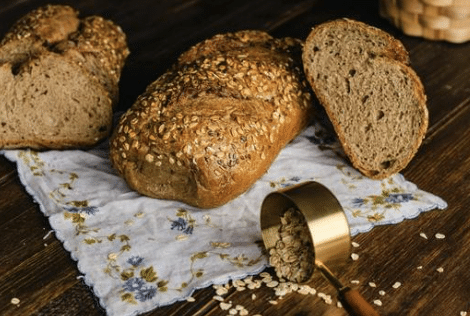
While whole grains remain part of the pyramid, the emphasis shifts toward traditional and minimally processed options such as oats, rice, and true sourdough. This approach prioritizes quality and digestibility while moving away from refined and packaged grain products.
A Clear Stance on Added Sugars
Another meaningful change is the recommendation to avoid added sugars, especially for children. At the same time, the guidelines allow naturally occurring sugars found in whole fruits and plain dairy.
This distinction reinforces an important functional medicine principle: context matters. Whole foods behave differently in the body than isolated or refined ingredients.

What This Looks Like in Health Coaching Practice
For health coaches, these guidelines are not rules to enforce. They provide a supportive framework for conversations already happening in coaching sessions.
In practice, this often looks like helping clients notice how meals built around protein, vegetables, and whole foods affect their energy, mood, digestion, and cravings. It looks like focusing on addition before elimination and building meals that feel nourishing and satisfying.
Health coaches remain firmly within scope by supporting awareness, behavior change, and consistency rather than prescribing diets or calculating macronutrients. The emphasis stays on patterns over perfection and long term health over short term outcomes.
By reducing complexity and returning to simple principles, coaches help clients feel less overwhelmed and more empowered.

Access Matters: Meeting Clients Where They Are
While the new food pyramid emphasizes real, minimally processed foods, access to those foods is not equal for everyone. Availability, affordability, time, cooking facilities, cultural foodways, and family responsibilities all shape what is realistic for an individual.
For health coaches, this is where compassion and practicality matter most. Supporting clients in making healthier choices does not require perfection or ideal circumstances. It often means working within what is available and identifying small, meaningful shifts that feel doable.
Choosing frozen vegetables when fresh options are limited, prioritizing affordable protein sources, simplifying meals, or gradually reducing highly processed foods are all valid steps toward better health. Progress happens through consistency, not rigidity.
By acknowledging access without judgment, health coaches help clients build confidence and agency. The goal remains long term health, guided by real food principles, while honoring the realities of each person’s environment and resources.
Health Coach Takeaways
- Focus on real, minimally processed foods as the foundation
- Build meals around protein, vegetables, and healthy fats
- Emphasize quality and simplicity over rigid rules
- Support awareness and behavior change rather than prescription
- Leave room for personalization, culture, and context

In Conclusion: A Return to What Matters Most
At its core, the new food pyramid reinforces something functional medicine and health coaching have long shared: real nourishment comes from real food.
- Meals built around whole ingredients, natural colors, and diversity.
- Eating patterns that honor rhythm, culture, and context.
- A focus on long term health rather than quick fixes.
In an increasingly noisy nutrition landscape, health coaches are uniquely positioned to guide clients back to this shared foundation, one meal, one habit, and one insight at a time.
Our Latest Blogs
-
Celebrating 200 Episodes of Health Coach Talk: Our Top 10 Favorite Conversations
Read Full Article: Celebrating 200 Episodes of Health Coach Talk: Our Top 10 Favorite Conversations -

Labs, Supplements, and Legal Liability: Where Coaching Ends and Practicing Medicine Begins
Read Full Article: Labs, Supplements, and Legal Liability: Where Coaching Ends and Practicing Medicine Begins -

From College Student to Functional Health Coach: Maria Falcon, FMCHC
Read Full Article: From College Student to Functional Health Coach: Maria Falcon, FMCHC
