

Interest in longevity is growing rapidly, but living longer is only part of the equation.
A key concept in today’s longevity conversation is healthspan, the number of years we spend living in good health, maintaining independence, energy, cognitive function, and overall quality of life. Most people don’t simply want more years; they want more healthy, vibrant years.
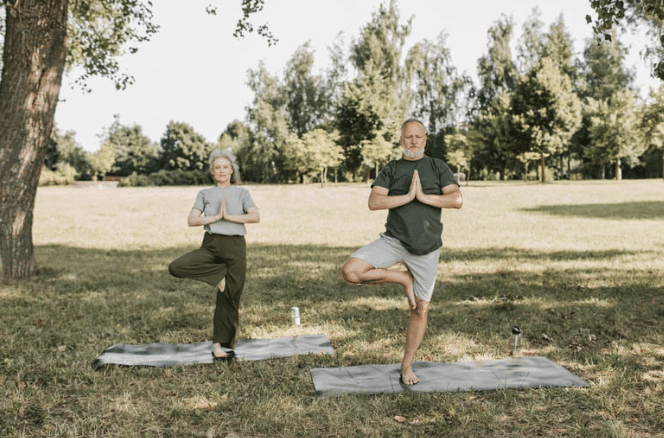
While genetics play a role in longevity, research consistently shows that lifestyle factors have a significant impact on how we age. Nutrition, physical activity, sleep, stress management, social connection, and other healthy habits all contribute to long-term well-being. If you’d like to dive into expert longevity tips, we’ve put together an article: 37 Healthy Aging Tips from the Experts.
The challenge isn’t knowing these factors matter. It’s consistently putting them into practice. This is where health coaches can make a meaningful difference. By helping clients create sustainable behavior change, health coaches support the daily habits that contribute to a longer, healthier life.
1. Turning Knowledge Into Action
Most people know they should eat healthier, exercise more, and manage stress. Yet information alone rarely leads to lasting change.
Health coaches bridge the gap between knowing and doing. They help clients identify realistic goals, break them into manageable steps, and create action plans that fit their unique lifestyles. This practical support makes healthy behaviors more sustainable over time.

2. Building Healthy Nutrition
Nutrition is one of the most influential lifestyle factors for long-term health. Eating patterns rich in whole foods, vegetables, fruits, healthy fats, and quality proteins have been associated with lower rates of chronic disease and improved longevity.
Health coaches help clients develop eating habits that align with their goals, preferences, and daily realities. Rather than promoting perfection, they focus on sustainable improvements that can be maintained for years. Learn all about Functional Nutrition and the role of health coaches in implementing healthy eating habits in our in-depth dive here: What is Functional Nutrition?
In our recent Ask the Expert Webinar with Ashley Koff, RD, we explore the concept of weight health and how to approach nutrition in an actionable, sustainable, and longevity-informed way. Watch the webinar replay: The Future of Weight Health, With Ashley Koff, RD.
4. Promoting Better Sleep
Sleep is increasingly recognized as a cornerstone of longevity. Quality sleep supports immune function, brain health, emotional well-being, and recovery.
Health coaches can help clients identify habits and routines that improve sleep quality, such as establishing consistent sleep schedules, reducing evening screen time, and creating supportive bedtime routines.
A key component of supporting healthy sleep habits over time is aligning one’s sleep schedule with the body’s natural circadian rhythm. Dr. Deanna Minich explores circadian rhythms and how to use them as a tool for healthier living in an episode of Health Coach Talk, Mastering Circadian Rhythms, With Dr. Deanna Minich.
5. Managing Chronic Stress
Chronic stress has been linked to numerous health concerns, including cardiovascular disease, inflammation, sleep disruption, and mental health challenges.
Health coaches help clients recognize stressors, develop coping strategies, and build resilience through practices such as mindfulness, relaxation techniques, boundary setting, and self-care routines.
To dive deeper into chronic stress management, we’ve put together some of our top Health Coach Talk episodes on this topic:

6. Driving Lasting Behavior Change Through Tiny Habits
Longevity is influenced by the habits practiced day after day, not occasional healthy choices.
Health coaches are trained in behavior change strategies that help clients build lasting routines. They help clients identify barriers, navigate setbacks, and stay focused on long-term progress rather than short-term perfection.

7. Fostering Accountability and Motivation
Many people struggle to maintain healthy behaviors when life becomes busy or stressful.
Regular coaching sessions provide accountability, encouragement, and support. Having a trusted partner to celebrate wins, troubleshoot challenges, and maintain momentum can make a significant difference in achieving long-term health goals.

9. Cultivating a Proactive Approach to Health
Longevity doesn’t only mean managing illness. Rather, it’s about supporting wellness before problems arise.
Health coaches help clients take a proactive role in their health by focusing on preventive lifestyle habits, increasing self-awareness, and helping them make informed decisions that support long-term well-being.

The Bottom Line
Longevity is about more than simply adding years to life. It’s about adding life to those years. By supporting sustainable behavior change across nutrition, movement, sleep, stress management, and overall well-being, health coaches help clients build the foundation for a longer, healthier healthspan.
As interest in longevity continues to grow, health coaches are uniquely positioned to help people move beyond information and create the lasting lifestyle changes that support healthy aging for years to come.

Learn More: Healthy Aging & Longevity Philosophies From The Experts
Dive into more longevity philosophies from leaders in health and wellness with our article, How To Live Longer: Simple Philosophies from Leaders in Health.
This article features longevity insights on everything from nutrition and stress, to exercise and sleep.
Leaders like Cynthia Thurlow, Dr. Tyna Moore, Dr. Gabrielle Lyon, Jonny Bowden, and more shared their philosophies you can put into action.

Our Latest Blogs
-
Celebrating 200 Episodes of Health Coach Talk: Our Top 10 Favorite Conversations
Read Full Article: Celebrating 200 Episodes of Health Coach Talk: Our Top 10 Favorite Conversations -
Labs, Supplements, and Legal Liability: Where Coaching Ends and Practicing Medicine Begins
Read Full Article: Labs, Supplements, and Legal Liability: Where Coaching Ends and Practicing Medicine Begins -
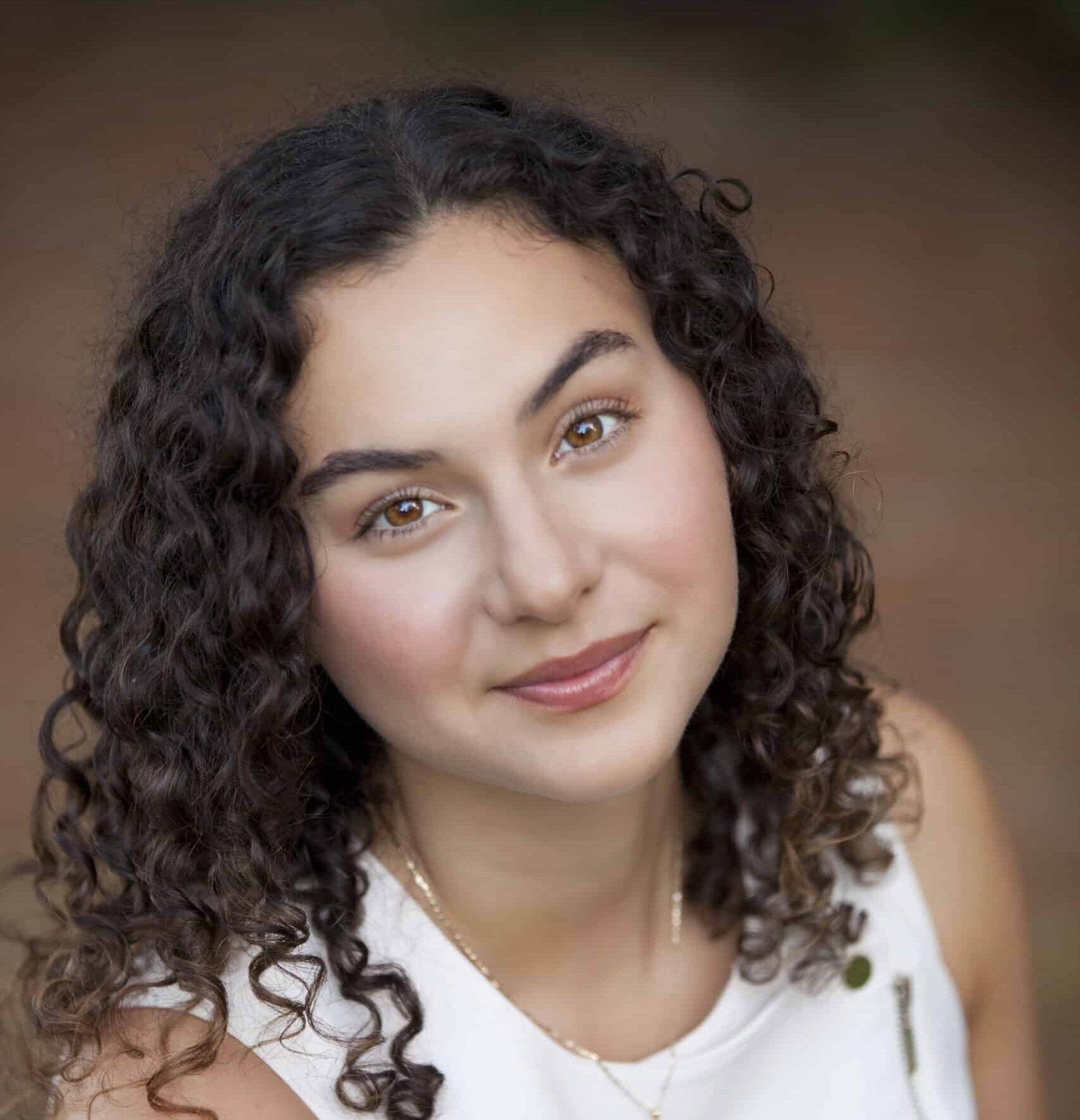
From College Student to Functional Health Coach: Maria Falcon, FMCHC
Read Full Article: From College Student to Functional Health Coach: Maria Falcon, FMCHC
