

When people begin looking for support to improve their lives, they often encounter two popular options: life coaching and health coaching.
At first glance, these professions can seem similar. Both are rooted in helping people move forward, create change, and achieve meaningful goals. But while there are overlaps, there are also important distinctions.
- Health coaches are uniquely trained to help clients create sustainable lifestyle and behavior change that supports measurable health outcomes. In many cases, they work alongside healthcare providers, wellness practitioners, and clinical teams to support long-term improvements in nutrition, stress management, sleep, movement, mindset, and chronic disease prevention.
- Life coaches, on the other hand, often focus more broadly on personal growth, mindset, relationships, motivation, career development, or goal achievement.
Neither path is “better” than the other. Yet, it is crucial to understand how they fill different roles, especially if you are considering training to become certified in life coaching or health coaching.

At Functional Medicine Coaching Academy (FMCA), our graduates are Functional Medicine Certified Health Coaches (FMCHCs), meaning they are equipped with both evidence-informed health education and advanced coaching skills designed to support real, lasting lifestyle transformation.
In this article, we’ll explore all aspects of this, including:
- What life coaching is
- What health coaching is
- The key differences between life coaching and health coaching
- Why certifications and board eligibility matter
- Career paths and opportunities for health coaching vs. life coaching
What Is a Life Coach?
A life coach is a professional who helps clients identify goals, overcome obstacles, improve motivation, and create positive personal or professional change.

Life coaching is a broad field that can include areas such as:
- Goal setting
- Career development
- Confidence and mindset
- Relationships
- Productivity and accountability
- Leadership development
- Personal growth
- Work-life balance
Life coaches typically help clients gain clarity, improve decision-making, and stay accountable to the changes they want to make.
Because life coaching is a broad and largely unregulated industry, training pathways can vary widely. Some life coaches complete extensive certification programs, while others may begin practicing with little or no formal training.
That doesn’t mean life coaching lacks value. Many people benefit greatly from life coaching support, particularly in areas related to mindset, personal development, and accountability.
However, when someone is specifically seeking support for improving their health, managing chronic conditions, building sustainable wellness habits, or navigating lifestyle-related health concerns, health coaching offers a more specialized and evidence-informed approach.
What Is a Health Coach?
A health coach is a behavior change specialist trained to help individuals improve their health and well-being through sustainable lifestyle modifications.
Rather than simply giving advice, health coaches partner with clients to help them:
- Build healthier habits
- Improve nutrition and lifestyle behaviors
- Reduce stress and overwhelm
- Address relationship, career, and emotional well-being challenges as they relate to whole-person health
- Improve sleep and movement patterns
- Increase motivation and accountability
- Navigate behavior change challenges
- Create sustainable wellness routines
- Support chronic disease prevention and management

Health coaches use evidence-informed coaching methodologies and communication techniques to empower clients to become active participants in their own health.
At FMCA, Functional Medicine Certified Health Coaches (FMCHCs) receive education in:
- Functional medicine principles
- Nutrition and lifestyle factors
- Motivational interviewing
- Positive psychology
- Behavior change science
- Mind-body medicine
- Coaching psychology
- Chronic disease prevention
- Client-centered communication
This combination of health education and coaching methodology allows FMCHCs to support clients in creating realistic, sustainable lifestyle change.
Want to dive deeper into the principals, training, and career opportunities for Functional Medicine Health Coaching? Browse our comprehensive guide.
The Key Differences Between Life Coaching and Health Coaching
| Area | Life Coaching | Health Coaching |
| Primary Focus | Personal or professional goals | Health and lifestyle behavior change |
| Scope | Broad personal development | Wellness, behavior change, and health outcomes |
| Training Requirements | Varies widely | Often includes structured health and coaching education |
| Health Education | May or may not be included | Core component of training |
| Coaching Methodology | Goal-setting and accountability | Evidence-informed behavior change strategies |
| Client Goals | Career, relationships, confidence, mindset | Nutrition, stress, sleep, habits, wellness, disease prevention |
| Healthcare Integration | Rare | Increasingly integrated into healthcare settings |
| Board Certification Opportunities | Limited or varies | National Board certification pathways available (NBHWC) |
| Chronic Disease Support | Generally outside focus | Common area of support |
| Lifestyle Medicine Knowledge | Optional | Foundational to many programs |
Why Certification Program Standards and Board Eligibility Is Important
One major distinction between many life coaching programs and professional health coaching programs is increased emphasis on nationally recognized standards and credentialing.
While general coaching standards exist, life coaching does not have a specific board certification or any one specific set of standards.
As the healthcare and wellness industries continue to evolve, employers, healthcare organizations, and clients increasingly seek professionals with formal training and recognized credentials.
Put simply, when it comes to healthcare, standards matter more than ever.
Many health coaches pursue:
- National Board certification pathways
- Accredited training programs
- Continuing education
- Professional certifications
Health Coaching Standards – National Board for Health and Wellness Coaching (NBHWC)
FMCA graduates are eligible to sit for the National Board for Health & Wellness Coaching (NBHWC) exam after meeting applicable requirements. Board certification demonstrates that a coach has completed rigorous training and meets nationally recognized professional standards. For many employers and healthcare organizations, this added credibility matters. It signals that a coach has:
- Formal coaching education
- Training in ethics and professional standards
- Evidence-informed behavior change skills
- Competency in health coaching methodologies
- A structured understanding of client-centered wellness support

As healthcare systems increasingly recognize the role of lifestyle interventions in improving patient outcomes, professionally trained and board-certified health coaches are becoming valuable members of integrative and preventive care teams.
General Coaching Standards – International Coaching Federation (ICF)
While Life Coaching does not have any specific board certification, and certification program credentials vary wildly, there are some general or business-specific coaching credentials both Life Coaches and Health Coaches may posses. This does set minimum standards for the quality of coaching they can offer, but it is not specific to Life Coaching or Health Coaching.
The International Coaching Federation (ICF) does offer several key tracks that some Life Coaches and Health Coaches may pursue:
- ACC (Associate Certified Coach) – An entry-level ICF credential for coaches who have completed foundational coach-specific training and coaching experience. ACC coaches have demonstrated core coaching competencies and are beginning to build professional coaching expertise.
- PCC (Professional Certified Coach) – A mid-level ICF credential awarded to experienced coaches who have completed advanced coach training and accumulated a substantial number of coaching hours. PCC coaches demonstrate a deeper mastery of coaching skills, ethics, and client partnership.
- MCC (Master Certified Coach) – The highest level of ICF credentialing, reserved for highly experienced coaches who consistently demonstrate exceptional coaching mastery, advanced communication skills, and transformational client outcomes across extensive coaching practice.

Career Paths and Opportunities for Health Coaches vs. Life Coaches
Health coaches and life coaches can have significantly different career paths. While life coaches aren’t part of any specific larger industry (beyond “coaching” itself), health coaches operate within the larger healthcare industry.
One of the exciting aspects of becoming a health coach is the wide range of career opportunities available.
As awareness of lifestyle medicine and preventive health grows, organizations across healthcare and wellness industries are increasingly recognizing the value of professionally trained health coaches.
Common Career Settings and Roles for Health Coaches
| Career Setting | Potential Role |
| Private Practice (Self Employed) | Owning an independent health coaching business |
| Integrative Healthcare Clinics | Wellness and behavior change coaching |
| Hospitals and Healthcare Systems | Patient engagement and chronic care support |
| Corporate Wellness Programs | Employee wellness coaching |
| Functional Medicine Practices | Coaching within specialized medical practices. |
| Digital Health Companies | Virtual coaching and client support |
| Wellness Brands | Community education and coaching |
| Community Health Organizations | Preventive health education and support |
| Fitness and Nutrition Companies | Lifestyle and accountability coaching |
| Health Educational Platforms | Course creation and wellness education |
Explore even more career opportunities: 26 Career Opportunities for Health Coaches
Common Career Settings and Roles for Life Coaches
| Career Setting | Potential Role |
| Private Practice (Self Employed) | Owning an independent life coaching business |
| Corporate and Business Settings | Employee development and leadership support |
| Educational Institutions | Student academic and career counseling |
| Non-profits or Community Organizations | Personal development and support |
Skillsets and Knowledge: Health Coaching vs. Life Coaching
While life coaches often have valuable skills and training in coaching, health coaches specialize to add a greater depth of knowledge and skills around health.
General Coaching Knowledge and Skills
Life coaches often possess general knowledge and skills that overlap with many of the coaching frameworks health coaches use. These include:
- Emotional intelligence
- Behavior change facilitation
- Motivational interviewing (or other coaching frameworks)
- Accountability support
- Communication and active listening
- Habit formation
- Client engagement
- Lifestyle intervention support
- Goal setting and progress tracking
- Group coaching
While some Life Coach Training Programs may dive deeper into specific expertise in areas like business or relationships, it can vary wildly.

Additional Health Coach Knowledge and Skills
Health coaches build on general coaching skills by focusing their application to health, and adding unique wellness knowledge to better support clients.
- Health and wellness
- Nutrition
- Chronic illnesses
- Habit formation strategies for eating, exercise, and other health-related activities
- Addiction and recovery
- Healthspan and longevity
- Collaborative care
- Physician partnering
- Navigating healthcare systems
- Mental well-being and psychological knowledge

Functional Medicine Health Coaches go even deeper than general health coaches by adding Root-cause understanding, Functional Nutrition, Mind-Body medicine, Labwork and Data, and more to their skillsets. Learn more, What’s the Difference Between Certified and Functional Medicine Certified Health Coaching?
Industry Growth: Health Coaching vs. Life Coaching
While the broad nature of Life Coaching makes industry growth difficult to track, health coaching offers a more defined career outlook.
As people increasingly seek support for sustainable lifestyle change, the demand for trained health coaches is expected to continue growing across both healthcare and wellness industries.
Professionally trained health coaches are well positioned to contribute meaningfully in this evolving field. Those with recognized certifications and board eligibility are especially equipped to build credibility, collaborate within healthcare settings, and support clients through sustainable, evidence-informed lifestyle change.
Learn more about the health coaching industry and careers:
- How Do Health Coaches Make Money? The Health Coaching Career Guide
- 50 Companies Hiring Health Coaches
Why Health Coaches Are Increasingly Important in Modern Healthcare
Modern healthcare systems face significant challenges:
- Rising chronic disease rates
- Lifestyle-related illness
- Patient burnout and overwhelm
- Limited provider time and bandwidth
- Difficulty sustaining long-term behavior change
- Increasing healthcare costs
Providers often have limited time to help patients implement lifestyle recommendations. The quick turnover built into the healthcare system means that providers and medical doctors are overwhelmed with a high patient load. They lack the ability to deeply understand patient symptoms and adequately support patients to implement health-supporting practices into their lives in a sustainable way.
Health coaches help fill that gap. They provide ongoing support, accountability, education, and behavior change guidance that can help individuals successfully apply wellness recommendations in real life.
This collaborative approach may improve:
- Patient engagement
- Lifestyle adherence
- Wellness outcomes
- Long-term consistency
- Client confidence and empowerment
As a result, health coaching continues to gain recognition as an important part of preventive and integrative healthcare.

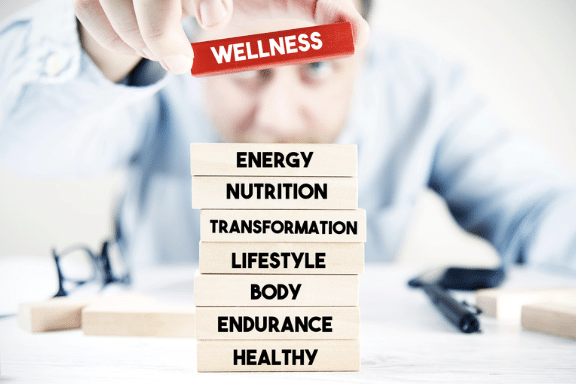
FMCHCs Are Trained in Functional Medicine Principles
Functional medicine focuses on addressing root causes and understanding the interconnected systems of the body.
FMCHCs learn foundational concepts related to:
- Nutrition and food quality
- Gut health
- Stress physiology
- Sleep and recovery
- Environmental influences
- Movement and exercise
- Mind-body connection
- Lifestyle medicine principles
This knowledge helps coaches better understand the many factors that influence overall well-being.
FMCHCs Learn Advanced Coaching Methodologies

Health transformation requires more than information.
FMCA students receive extensive training in:
- Motivational interviewing
- Positive psychology
- Active listening
- Habit and lifestyle change science
- Behavior change psychology
- Client-centered communication
- Emotional intelligence
These skills help FMCHCs create collaborative partnerships that empower clients to make sustainable changes over time.
FMCHCs Focus on Sustainable Lifestyle Change
Quick fixes and temporary motivation rarely create long-term results.
FMCHCs are trained to help clients:
- Identify realistic goals
- Build sustainable habits
- Navigate setbacks
- Increase self-awareness
- Develop resilience
- Improve consistency
- Create long-term wellness routines
The emphasis is not about perfection but is rooted in practical, personalized, and sustainable progress. A health coach is key to creating the personalization required for true long-term change and improved health outcomes in clients.
FMCHCs Are Positioned to Support Healthcare Transformation
Healthcare is increasingly shifting toward prevention, lifestyle medicine, patient engagement, and whole-person care.

Health coaches are becoming increasingly valuable in settings such as:
- Functional medicine clinics
- Integrative healthcare practices
- Corporate wellness programs
- Hospitals and healthcare systems
- Private or independent coaching practices
- Community wellness organizations
- Digital health platforms
- Nutrition and wellness companies
- Fitness programs or gyms
FMCHCs are uniquely prepared to support clients within this evolving healthcare landscape. As settings like these are increasingly looking to add health coaches to their staff, FMCHCs stand out as the preferred hire due to their unique and extensive training.
Which is the Right Path: Life Coaching or Health Coaching?
Which path you want to pursue is a choice only you can make. Both life coaching and health coaching can provide valuable support depending on an individual’s goals. Broadly, these are the key differences to consider:
Life Coaching is ideal for someone seeking to support individuals with:
- Career clarity
- Relationships
- Confidence building
- Personal development
- Leadership coaching
Health Coaching is ideal for someone looking to support clients to:
- Improve nutrition and wellness habits
- Reduce stress
- Improve sleep
- Create sustainable lifestyle change
- Support chronic disease prevention
- Build healthier routines
- Improve overall well-being
The key distinction is specialization. Health coaches are specifically trained to support health-related behavior change and wellness outcomes using evidence-informed coaching methodologies.
Concluding Thoughts
Life coaching and health coaching both play meaningful roles in helping people improve their lives.
But when it comes to supporting sustainable wellness habits, lifestyle behavior change, and long-term health outcomes, professionally trained health coaches bring specialized education and evidence-informed methodologies designed specifically for that purpose.
As healthcare increasingly recognizes the importance of prevention, lifestyle medicine, and whole-person wellness, the role of health coaches continues to expand.
Your Next Steps: What Sets FMCA-Trained Health Coaches Apart
At Functional Medicine Coaching Academy, we believe meaningful health transformation happens when people feel empowered, supported, educated, and heard.
Our Functional Medicine Certified Health Coach program combines:
- Functional medicine education
- Evidence-informed coaching methodologies
- Behavior change science
- Positive psychology
- Client-centered communication
- Practical wellness strategies
The result is a comprehensive training program designed to prepare graduates to help clients create sustainable lifestyle changes that support long-term well-being.
FMCHCs are uniquely positioned to:
- Contribute to the future of preventive and integrative healthcare
- Support lasting behavior change
- Partner with healthcare practitioners
- Empower clients toward healthier lifestyles
- Help bridge the gap between recommendations and implementation

Our Latest Blogs
-
Celebrating 200 Episodes of Health Coach Talk: Our Top 10 Favorite Conversations
Read Full Article: Celebrating 200 Episodes of Health Coach Talk: Our Top 10 Favorite Conversations -
Labs, Supplements, and Legal Liability: Where Coaching Ends and Practicing Medicine Begins
Read Full Article: Labs, Supplements, and Legal Liability: Where Coaching Ends and Practicing Medicine Begins -
From College Student to Functional Health Coach: Maria Falcon, FMCHC
Read Full Article: From College Student to Functional Health Coach: Maria Falcon, FMCHC
