

Before enrolling at the Functional Medicine Coaching Academy, Maria was a college student at Florida State University studying digital media production, feeling uncertain and unpassionate about her career trajectory. Around the same time, her mother, a traditional endocrinologist with 25 years of experience, decided to take a bold leap into functional medicine by opening her own practice, Beyond Hormones. Maria stepped in to help, starting as a receptionist and phlebotomist. However, as the practice grew, they noticed many patients struggled to make long-term lifestyle changes and often felt overwhelmed by complex treatment plans. After Maria’s mother was paired with a health coach during her IFM certification program, she recognized the critical missing link in patient care and encouraged Maria to research training options. Discovering FMCA’s affiliation with IFM, Maria enrolled in the March 2024 cohort, instantly feeling that the program’s core principles aligned with who she was. Despite initial imposter syndrome about her age and lack of a traditional healthcare background, she found the program’s practical coaching practice, emphasis on active listening, and manageable schedule directly applicable to real-world patient support.
“I’m able to meet patients in a way that the doctor can’t, especially on the emotional and practical side of things. It gives them a comfortable space to open up because they don’t feel judged… In the coaching session, they’re really able to take the lead and self-discover.”
Maria Falcon, FMCHC
Today, Maria is a practicing health coach at Beyond Hormones, where she works alongside her mother to offer comprehensive, whole-person care. She focuses on the emotional and practical sides of health behavior change by helping patients break down lifestyle recommendations into concrete plans, guiding self-discovery during sessions, and providing crucial accountability. By spending extra time with clients to ease their overwhelm and help them implement daily habits, Maria seamlessly complements her mother’s medical care while helping patients achieve lasting progress. Looking back, Maria considers FMCA the best decision she has ever made, noting that the program not only gave her the confidence and tools to thrive in a rewarding career, but also provided her with life-changing communication skills and a supportive alumni network that endures well beyond graduation.
Watch the Interview
Watch the full FMCA Alumni interview with Maria to learn more about her inspiring journey:
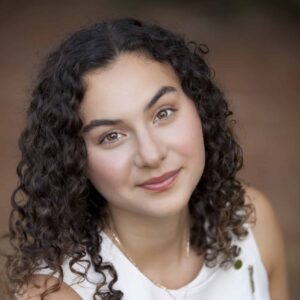
Meet Maria
Maria Falcon, FMCHC
At 22 years old, Maria began her journey into health coaching after working as a receptionist and phlebotomist at her mother’s Functional Medicine Endocrinology practice. While completing her own certification through IFM, her mother discovered the concept of working with a health coach and immediately recognized this as the missing piece to help her patients who struggled to follow through with treatment plans. Maria went on to complete the FMCA program to work alongside her mother and provide patients with the support, accountability, and guidance needed to achieve lasting results.
Maria partners with patients to ensure they not only understand their personalized care plans but also feel supported, confident, and equipped to successfully incorporate those recommendations into their daily lives. Her coaching philosophy is centered on empowerment. Rather than providing one-size-fits-all solutions, she guides clients in discovering their own insights while developing a deeper understanding of their bodies, behaviors, and motivations.
Maria believes that meaningful transformation comes from within. Her role is to educate, encourage, and empower each client as they create sustainable changes and move toward a healthier, more balanced, and fulfilling life.
Connect
Transcript
Kerry: My name is Kerry, and I am the admissions manager here at the Functional Medicine Coaching Academy. I am a graduate of the program myself way back in 2018. But today, I’m here to speak to a more recent grad of ours, Maria. And Maria is a part…was a graduate of our March 2024 class. Maria is 24 years old. And I don’t want to give you too much more about her background because it will unfold as we have this conversation. But Maria, thank you so much for joining me today.
Maria: Of course. I’m so excited. Thank you so much for having me.
Kerry: Absolutely. Absolutely. Well, let’s dive right in. So, Maria, tell me about what you were doing before you were a student at FMCA.
Maria: Yeah. I was actually…I was a college student at Florida State University, and I was studying digital media production. So, it has nothing to do with health coaching or health and wellness. But essentially, I kind of had this moment where I was like, what am I really doing with my life? I don’t feel passionate about this. And at the same time, my mom was starting her own practice. So, she’s an endocrinologist practicing traditionally for 25 years. But then she found out about functional medicine, and she decided to take a bold leap of faith and start her own practice. And so, she had asked me if I wanted to help her out and join her team. And I said, you know what? I don’t know what I’m doing. Yeah, let’s do it.
And so, I mean, I said yes. And I just started at her practice as a receptionist and phlebotomist. And I’ve always been interested in health and wellness. So, I was excited to be a part of that and just try something new.
But then she was completing the IFM certification program as she was starting this. And in her program, they had her do the elimination diet, and they assigned her a health coach.
Kerry: I was just going to ask you.
Maria: Yeah. And so, that’s how she found out about health coaching. And she was like, oh, my gosh, Maria, this is what we need. Because we were already starting to see patients who…it was really hard for them to make these changes. They felt very overwhelmed. And unfortunately, we had a couple of cases that people actually just walked away because they felt very overwhelmed. And it pains me because it’s like, that could have been avoided. And it could have been avoided with a health coach to walk them through that and ease the overwhelm.
And so, right away, she just had me research more. I found the FMCA because it was affiliated with the IFM, and I was just reading up on it. And I was like, no way this is actually a career. This exists? I’ve never heard of this. And when I was reading the description, I was just like, this feels like who I am. This is who I am. No way I could do this as a career path. It just felt so aligned. And I was so excited about it. And so, right away, we signed up, got the early bird special. And, yeah, it was amazing.
And now, I am a practicing health coach at our office, Beyond Hormones. And it’s been really special. I think that I really complement my mom well because I’m really able to meet the patients in a way that the doctor can’t. She’s asking of a lot of lifestyle changes, and it’s like, she doesn’t have the time to sit with them.
Kerry: Yeah. I’m sure even being a functional medicine doctor, time is limited, right? I mean, she probably gets more time than a conventional doctor, but the time is limited. So, then you pick that part up and work with the clients.
Maria: Exactly. And really assess where…what they’re willing to do, where they’re willing to start, what’s already maybe easy, what’s not. And, yeah, we’ve really seen improvements come. So, it’s been such a blessing and it’s like, no…it’s just such a joy to be able to serve in that way. Yeah. It really complements what my mom does very well. It’s not a competition ever. It’s like we complement each other so well. And I think, every practice should have this because it really is revolutionary.
Kerry: Do you feel like…we often say, there’s two distinct roles. You have the practitioner and you have the coach, and you’re complementing one another, not overlapping with one another.
Maria: Exactly.
Kerry: Do you agree with that?
Maria: Exactly. Because, yeah, just like what I said, I’m able to meet them in the way that the doctor can’t, especially just on the more…on the emotional side and practical side of things. It really is… Yeah. I think it’s really helpful. And I think that the patients are a little more comfortable talking to me about some things because there’s not…
Kerry: Yeah. I was wondering. Do you ever feel like the patients tell you things that possibly they don’t tell your mom, the practitioner?
Maria: Yes. Honestly, yes. Because they don’t feel judged. And I let them know, like, listen, this is not…I’m not holding you to any standard. I’m not judging you. It’s really a time for them to talk more and open up. Because the doctor is, of course, listening to them, but she has to tell them what’s wrong with their blood work, what they need to do and this. But in the coaching session, they’re really able to kind of take the lead and just self-discover. It’s so fun to facilitate that conversation for them because it really…a lot gets drawn out of them. And it’s just cool to witness when they come up with revelations themselves, like wait…
Kerry: This aha moment.
Maria: Uh-huh. Yeah. Exactly.
Kerry: Of the two roles, it sounds like you kind of have the fun role.
Maria: I think so. It’s a joy. It really is fun. Yeah. And it’s so rewarding. Seeing when a client starts the call very anxious and stressed and all over the place. And then by the end, they have joy and a sense of ease and excitement. I’m like, oh, thank God. I did my job, and that’s so beautiful.
Kerry: If I were to ask your mom, what are the benefits to her for having a coach work with her, what do you think she would say?
Maria: I think the first thing she would say is the time, the way that it saves her time. Because she alone already spends an hour and a half. But there’s still… The thing with functional medicine is it’s so deep. It’s so rich. There’s so much to uncover. And unfortunately, it cannot all be done in this hour and a half. So, she really loves and values that. I get to go deeper with them and spend that extra time because it is important. That time is just…she doesn’t have the time for it.
Kerry: I would imagine that the patients that do choose to work with you as a coach, that their success rates may be higher than those that don’t. Am I correct in saying that?
Maria: I would say, yes. And one of the main things I would say is because a lot of people can have…they’re told what to do, and then they just kind of have an idea of like, okay, yes, I need to start exercising. All right, I’m going to start going to the gym more. But they don’t then get specific with it. And like, all right, well, what’s the plan? How are we going to do that? When are you going to start? What exactly are you going to do? And so, I think it’s been so beneficial working with patients and creating a concrete plan of action because then when they’re out of the office and they just are left on their own, sometimes they do it, sometimes they don’t. And so, there’s value in creating that plan.
Kerry: Yes. And when they know they have to come back and then talk to you and report on how they’re doing, they want to be able to uphold their end of the…
Maria: Yes. And the accountability is huge, just knowing that there’s someone holding them accountable. It helps.
Kerry: Can we talk a minute about imposter syndrome? We talk about that a bit in the program. And when you and I first met, you shared that with me. And I think, when others hear that, that we all experienced it, you don’t feel so isolated. Can you talk about the imposter syndrome a bit?
Maria: Absolutely. I’ll be so real. First, even signing up for the program, I felt a little intimidated that I was younger and that I didn’t have any qualifications. I’m not even a college degree. I felt like a lot of the women in my cohort were already coming in as nutritionists, nurse practitioners and stuff. So, I already kind of felt under qualified. And then when I actually started coaching, I did…and sometimes I still struggle with a little, but that imposter syndrome of, wait, am I really capable of helping someone here? They’re actually trusting me and spending their money. I had to get over that fear.
And I think, honestly, the way I’ve been able to overcome that is just, number one, remembering you are certified, you studied for it, you passed for a reason. So, you are absolutely capable. And trusting myself. There’s a reason that I felt drawn to do coaching. And like I said in the beginning, this felt like who I am.
And the beautiful thing about coaching is you don’t need all this qualification to start being a nutritionist or nurse practitioner, whatever, whatever you come with, that is so helpful for your tool belt. But the truth is, to be a coach, you just…you learn the principles, you learn the basics of how…of the coaching…of the coach approach. But you really don’t need to come with so much. And if you just have…I feel like you pull from your own strengths, and if you learn what they teach you in the program of just…of how to actively listen, what things to hear, look out for, the right way to ask questions, you can do it. And I think me actually starting to coach people and seeing that I was actually helping them and getting that feedback, that really relieved that imposter syndrome. I’m like, no, I’m doing a good job here.
Kerry: Yeah. You are doing a good job. That’s awesome. So, let’s take another step back and talk about what it was like when you were in the program. Can you tell me a little bit about your…what you enjoyed most about the program?
Maria: Yes. So, I would say, I love this program. To be honest, I’m like, everyone should take this because of… Even if you’re not going to be a health coach, I feel like what they taught us is so valuable for your everyday life. I just remember the first module was about…we talked a lot about the art of listening and communication. And I was like, this serves me personally in all relationships, and with myself, the self-discovery. And just what I learned, what it teaches you about functional medicine, the principles, it’s just amazing information that I find so valuable. Even if I weren’t to be a health coach, I’m like, I could use this.
Kerry: It changes the way you approach all of your relationships in your life.
Maria: Guys, it’s just such valuable information. I rave about it. I just remember saying, everybody should take this course. But also, I will say what I really liked about this course was that they just threw us right in. I remember, I’m pretty sure, in the first module, we were already practicing coaching with each other when we had no idea what we were doing.
Kerry: Wait. You want me to coach right now? Week two?
Maria: Yeah. I’m like, are you sure? But I love that they did that because, honestly, that’s how you learn, through the experience, through the doing. There’s so much, of course, you could read about and how to coach, but you’re really not going to learn until you actually are in it and doing it. So, yeah, I really appreciated that about the course.
Kerry: Great. So, now, when you were in the program, remind me, you were either a full-time student or working full-time. Is that correct?
Maria: I was working full-time, like 40 hours a week.
Kerry: Yeah. Can you talk about how you managed your schedule?
Maria: Yeah, absolutely. So, that’s another thing that I liked about the course is that I found it to be very manageable. Because yeah, again, I didn’t have much time throughout the day for, say, working 9 to 5. But I found it to be very manageable. We just had one Zoom call per week and then some videos to watch, some things to read, and assignments. But I don’t remember really ever feeling overwhelmed about it. So, yeah, I appreciated how manageable it was with working full-time.
Kerry: Great. That’s great to hear because we do get a lot of people asking that question. Will I be able to do this while working full-time?
Maria: Definitely.
Kerry: Yeah. So, now, we always like to say you’re part of the FMCA family for life. Once you’re part of us, you can’t leave. But what does that mean to you, being an FMCA graduate for life?
Maria: Yes. Well, I honestly feel like I do have this support system in this community for life. Well, number one, the cohort that I was in, we still have a group chat on WhatsApp that we’ll occasionally text in and just check in or ask for advice. So, I remember in the beginning when we were practicing with each other. And so, it’s really nice to have that community.
And also, I went to the IFM conference this year in San Diego, and I got to meet Dr. Sandra Scheinbaum and Monique Class, who’s an educator for the course. And that was so special. And that was just a really cool moment because they were so excited to know I was an alumni of the program. It feels so good to have that community and to know what you’re a part of, and there’s always going to be support and encouragement around you. So, yeah, I really love that about FMCA. Yeah.
Kerry: Wonderful. That’s great to hear. So, what would you say to a young 20-something-year-old who is thinking about going to health coaching, that has no medical background, and is kind of curious, like, can I do this? What advice would you have for someone like that?
Maria: Yes. I mean, from the wise words of Shia LaBeouf in the Nike commercial, just do it. Just do it. Trust yourself. Like I said earlier, there’s a reason that you felt drawn to this, you know. And I would say, yeah, don’t get in your head about, oh, but I’m not qualified yet. I’m not here yet. You bring something unique to the table that other people don’t have. And coaching, it’s so cool when there’s different flavors of coaches. Everyone brings something new to the table.
And you pull on your own strengths. You’re very capable. And I think it’s really something. The coach approach is something that can be taught to anyone, which is really awesome. And I would say, yeah, trust yourself and go all in, and know that even if you weren’t to become a health coach, honestly, what you learn in this program, I’ll say it again, it’s so valuable for life. You’re not going to regret it. So, I would say it’s the best decision I ever made in terms of schooling and stuff. So, I highly recommend. Just do it and trust yourself.
Kerry: Well, Maria, I so appreciate your time today. I’m thrilled to see that you have found a career that aligns with your values, and really allows you to shine and use all of your strengths. Yeah.
Maria: Yes.
Kerry: So, thank you. Thank you so much for joining me today.
Maria: Of course. It was my pleasure. Thank you.
Our Latest Blogs
-
Celebrating 200 Episodes of Health Coach Talk: Our Top 10 Favorite Conversations
Read Full Article: Celebrating 200 Episodes of Health Coach Talk: Our Top 10 Favorite Conversations -
Labs, Supplements, and Legal Liability: Where Coaching Ends and Practicing Medicine Begins
Read Full Article: Labs, Supplements, and Legal Liability: Where Coaching Ends and Practicing Medicine Begins -
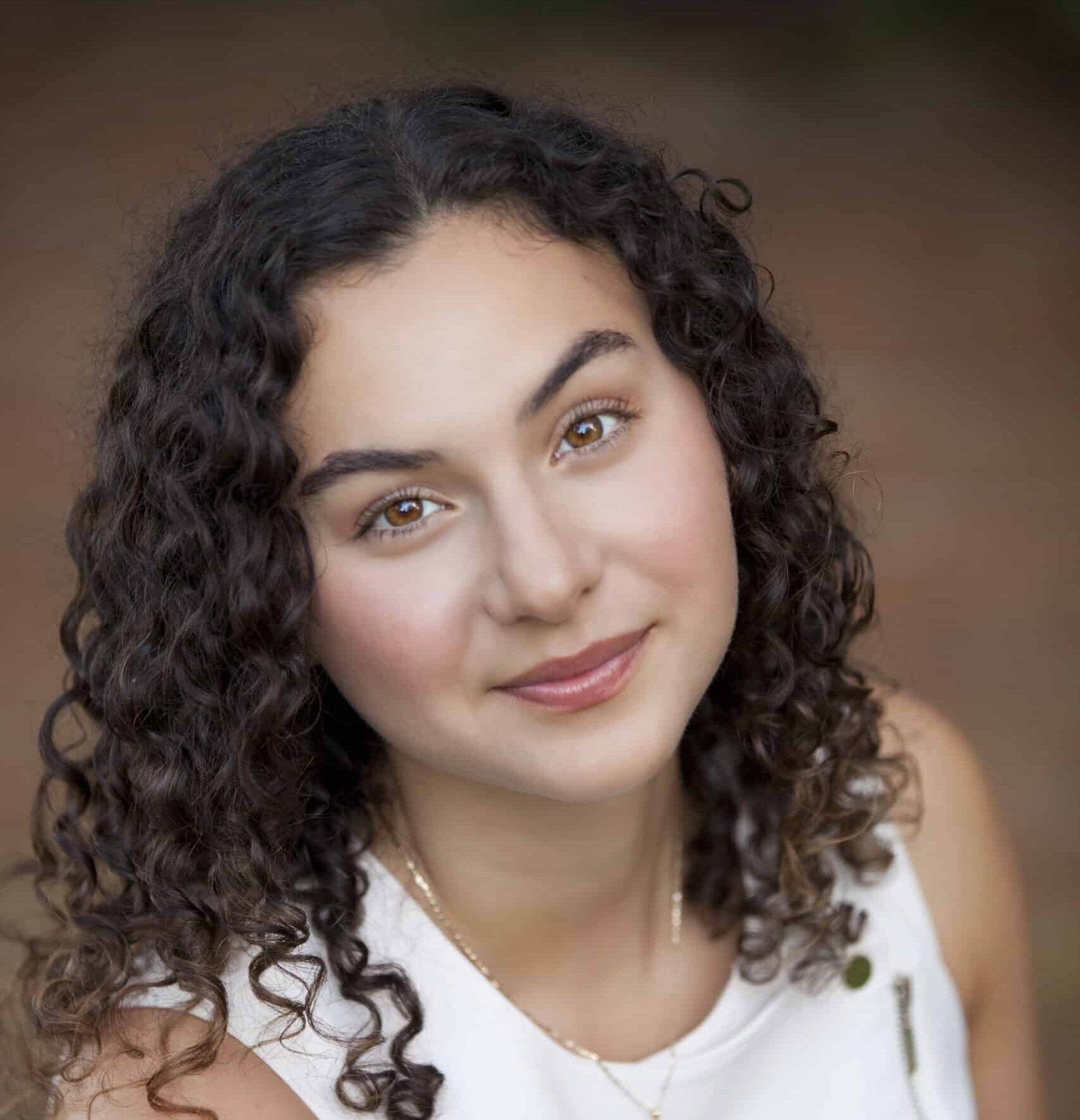
From College Student to Functional Health Coach: Maria Falcon, FMCHC
Read Full Article: From College Student to Functional Health Coach: Maria Falcon, FMCHC
