

On Wednesday, January 21st, FMCA hosted a special Ask the Expert webinar with Dr. Kara Fitzgerald, functional medicine clinician, researcher, and leader in epigenetics and longevity. Dr. Fitzgerald’s peer-reviewed research, published in the journal Aging, explores how targeted diet and lifestyle interventions can support DNA methylation and potentially reduce biological age in both middle-aged men and women.
In this conversation, Dr. Sandi and Dr. Fitzgerald discussed the science of epigenetics, its relevance to healthy aging, and how health coaches can apply this knowledge to support clients through practical, evidence-informed lifestyle strategies.
In this webinar replay, you will learn:
- The difference between chronological age and biological age
- How epigenetics and DNA methylation influence aging and longevity
- Key findings from Dr. Fitzgerald’s clinical research
- How nutrition and lifestyle choices impact gene expression
- Practical ways health coaches can support clients interested in healthy aging
Watch the Replay
The Science of Longevity: How Lifestyle Shapes Your DNA, With Dr. Kara Fitzgerald:
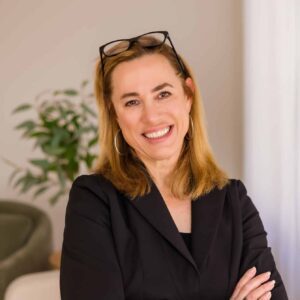
Kara Fitzgerald, ND, IFMCP, is a leading voice in functional medicine and epigenetic research. Her award-winning clinical studies investigate how dietary and lifestyle interventions can impact biological aging. Her first trial, published in Aging (2021), showed that an 8-week DNA methylation-supportive program could reduce biological age in middle-aged men. A follow-up case series, published in Aging (2023), found similar results in women. Her 2025 study identified the specific nutrients within the intervention diet most strongly linked to biological age reversal.
Dr. Fitzgerald is the author of Younger You: Reduce Your Bio Age and Live Longer, Better, and its companion Better Broths and Healing Tonics. She served as lead author and editor of Case Studies in Integrative and Functional Medicine and is a contributing author to Laboratory Evaluations for Integrative and Functional Medicine and IFM’s Textbook for Functional Medicine.
She earned her doctorate from the National University of Natural Medicine in Portland, Oregon, completed the first CNME-accredited postdoctoral program in nutritional biochemistry and laboratory science at Metametrix Clinical Laboratory, and completed her residency at Progressive Medical Center in Atlanta, Georgia.
An IFM faculty member and Certified Practitioner, Dr. Fitzgerald lectures internationally on functional medicine, longevity, and epigenetics. For the past decade, she has hosted the podcast New Frontiers in Functional Medicine and writes regularly at drkarafitzgerald.com. Her clinical practice is based in Connecticut.
Connect
Transcript
Dr. Sandi: So, without further ado, I want to introduce Dr. Kara Fitzgerald. Dr. Kara, I first met you when I was studying in the certification program at IFM, and I was just blown away by your brilliance and your lectures. And you continue to be on the faculty at IFM, and you are also a great supporter of FMCA. And we always run into each other at lots of events. And so it is just such a pleasure to have you here to follow your research. I think that you are doing such groundbreaking work in the immune system, in longevity. I’ve got your book behind me. There it is, the yellow one, “Younger You.” And I would like to turn this over to you, and after you are through with more of the formal part of the presentation, we will answer questions that have come in. So take it away, Kara, and I’m going to go off-screen a bit.
Dr. Kara: Hi, everybody. It’s great to be here. I am live from Baja California Sur, Mexico. If there’s anybody from Mexico in the house, I would love to see that in the chat. Please populate your QA. Yeah, please populate it. You know, any question is fair game. In fact, I was anticipating focusing primarily on questions. As Sandi said, though, I’m on faculty at the Institute for Functional Medicine, where I’ve been lecturing in the immune module. This is our 13th year, believe it or not. So I’m going to talk about my research in epigenetics, but if you’ve got questions on allergies, anything related to dietary pattern changes, etc., etc., anything that I cover at the immune module, I’m happy to tussle with those as well if you want to pop them into the chat.
I will just give you a little background on our research, as Sandi alluded to. Actually, you can let me know if you’re familiar with it, if you’ve come across our papers or the book that she just showed, “Younger You.” Being a functional medicine provider, and I did post-doctorate training in a clinical laboratory, focusing on functional testing, so we were kind of an omics lab, really a little before the omics revolution, you know, organic acids, fatty acids, amino acids, you know, and genetics, and so on and so forth. So the clinical training plus the laboratory background, I think, suited me and my team to think about epigenetics. We are known for having published the first randomized controlled study looking at diet and lifestyle pattern, looking at epigenetic changes associated with the diet and lifestyle pattern. That paper was published in 2021. I’ll go through what that paper demonstrated and what our subsequent publications have shown, but I’ll give you a little bit of the background.
So I did, as I said, have that type of background and trained as a naturopathic physician, practice functional medicine and have a lab background. At around 2013, ’14, ’15, ’16, those years, I started to become aware of epigenetics, that is, that there are biochemical marks happening on top of the DNA that dictate what genes are on and what genes are off. I have to be honest and say, initially, it was really pretty overwhelming being steeped in biochemistry for so much of my career. It was a new direction that I was somewhat reluctant to dive into, but I knew…my extremely strong hunch was that what we’re doing in functional medicine is influencing gene expression. It’s influencing epigenetics.
So, as these papers kind of came fast and furious across my desk, there was a time when, you know, I talked to my nutrition director, Romilly Hodges. You know, she and I just really started tussling with thinking about functional medicine and epigenetics. The earliest papers that I was aware of were around cancer. If anybody’s paid attention to my work, you’ve probably heard me say that cancer very efficiently hijacks gene expression, takes over gene expression for its own nefarious end, manipulating epigenetics, you know, just extremely efficiently turning on genes to promote its survival, turning off genes that inhibit its survival. Most classically, cancer has been demonstrated, and really cancer types across the board have been demonstrated to take over epigenetics with regard to inhibition of tumor suppressor genes and expression of oncogenes.
Tumor suppressor genes, you know, probably you’ve heard of BRCA when there’s a mutation, which is a change in the DNA. When there’s a mutation in certain BRCA genes, of course, hormone-sensitive cancers in men and women are at profoundly increased incidence. So, yeah, BRCA mutation is very well-known. Certain BRCA mutations are very well-known for being associated with a likelihood of developing breast or ovarian cancer or prostate cancer in men.
Turns out that these BRCA genes can also become hypermethylated. So when a gene or when a promoter region of a gene is hypermethylated, has a lot of methyl groups between the bases, cysteine and guanine, that gene can be inhibited. So hypermethylation is a classic epigenetic mark, one of the best understood. When there are a lot of these methyl groups on a promoter region, that gene can be turned off. And so we can see, in hormone-sensitive cancers, you know, BRCA hypermethylation is one of the underlying causes. So in individuals who don’t have a BRCA mutation, they can still develop these hormone-sensitive cancers. And you can see, certainly, in some cases, that there’s hypermethylation of the BRCA gene.
There are many, many, many different tumor suppressor genes. You’re familiar with glutathione, no doubt. There are glutathione enzymes that are key players in detoxing, created from a myriad of environmental exposures. Those are also tumor suppressor genes, believe it or not, in their act of kind of keeping us clean, detoxing us. They keep cancers at bay as well. And they can become hypermethylated and are associated in the hypermethylated state with increased risk of cancer. So early on in our journey, the first question was, is functional medicine influencing DNA methylation and gene expression, question number one, and you know, what can we do about this phenomenon that’s happening in cancer?
So reliably so, if any of you have heard of the GRAIL test, that’s looking for the presence of these hyper- and hypomethylation… …questions and our answer based on the literature was, yes, we can definitely influence DNA methylation. Or I should say, our hypothesis was that we could influence DNA methylation using functional medicine pretty profoundly. However, there wasn’t a lot of human data, but we put together our best assessment of the literature, which was a lot of animal data and in vitro studies, and designed a diet and lifestyle pattern. The diet is, you could call it sort of crudely, a Mediterranean diet on steroids. We’ve calculated our polyphenols to be just under 3,000 milligrams per day. So it’s very veggie and, you know, dark, very dense diet, with protein and fats. And you know, it’s anti-inflammatory, but it’s very nutrient-dense. And then we had an exercise component and a meditation component. We wanted people to sleep, and we gave them a probiotic, as well as a greens powder in anticipation of an extra hit of those polyphenols.
There was a decent chunk of in vitro data at the time showing that plant polyphenols can turn on hypermethylated tumor suppressor genes. I referred to them in the book, “Younger You,” as nutrient-responsive genes. If you go into the book, you’ll see a table showing those nutrients, just a list of the nutrient-responsive genes. It’s not an exhaustive list, but then the associated polyphenols that we turn them back on. You know, resveratrol is in there, amazing polyphenols, and isoflavones in soy. What else? EGCG is a huge player, urolithin A, on and on. Polyphenols are pretty extraordinary compounds, I want to say, and I think more and more we’re narrowing in on their ability to really regulate gene expression is probably one of the leading variables in the downstream pro-health effects that they have, polyphenols. So in the book, you know, I created this table, which I think is pretty cool. So if you’re thinking about cancer or if you’re thinking about health in general, certainly, making sure you’re eating a very polyphenol-dense, rich diet, maybe leaning on a few…actually, curcumin is another key player, you know, I think it’s essential, very essential and important for all of us.
So our first thinking was around cancer and then more broadly, you know, the chronic diseases of aging. We could see that aberrant or abnormal epigenetics played a role. And so best read on the literature was this dietary pattern, exercise. Exercise influences epigenetics, influences gene expression, like kale. I mean, you could think of the physical act of exercising as having mechanistic similarities to veggies. So if your client doesn’t want to eat their kale, you know, get them out there, moving their bodies in some way, and they’re going to exert some of those same effects.
And actually, I’ll just throw a side note in here that’s particularly cool and that I do talk about in the book in more detail. These patterns are heritable, believe it or not. We can see that the epigenetic information is not completely eliminated. Maybe about 30% of it is maintained from parents to offspring, from grandparents, you know, really going back generations. Some chunks of that information is maintained even though, for the most part, our genes are wiped clean of epigenetic marks. Exercise, information from exercise can be handed down, as cool as that is. Information from stress and trauma can also be handed down, and in fact, that’s been fairly carefully studied. Dietary information can be handed down. You know, we can see both starvation having a negative influence on gene expression through generations, as well as excess consumption of food. Both, slightly under calorically-rich, can have a beneficial effect on gene expression in a heritable fashion.
Anyway, so these were the kinds of things that we were concerning ourselves with early on. We published a white paper on this back in, like, 2015 or so. We presented it at the IFM’s Annual International Conference in 2016, this white paper, with our program. We started using this program in practice. Our patients responded to it. It’s a good type of anti-inflammatory dietary pattern, super nutrient-dense. So you know, we saw people get better. We saw values improve, etc., etc. At that time, biological age was just being recognized as something that could be measured, but it was thought that we couldn’t change the rate of aging, that you couldn’t actually influence biological age as measured by epigenetics.
So, within all of this, we were given an unrestricted grant from Metagenics, from Brent Eck, who was the CEO of Metagenics at the time, this was back in 2017, to study our dietary pattern. So again, everything up until that point was our best guess, our best hypothesis, our experience in clinic, but still no evidence that we could really change epigenetics. So just, like, this data set didn’t exist, especially in a randomized control structure. So it was with their, you know, incredibly generous support that we got to conduct the first ever in the world randomized control study looking at this dietary and lifestyle pattern in a group of healthy middle-aged men as compared to a group of healthy middle-aged men who did not change their dietary pattern.
During the time of our study, so we did an eight-week intervention, and the funny thing about that is that it took us about a year to do it because it took us so long to recruit enough subjects that qualified as healthy, that weren’t taking medication, etc. It took quite a while. Anyway, it was an eight-week intervention. We had rolling enrollment. During the time, like, midway through our study, the first two publications demonstrating that biological age could actually be changed with an intervention were published. Since we were measuring epigenetics, we were, of course, planning on looking at the biological age phenomenon in our population. We just didn’t think we would change it because, you know, Steve Horvath, the guy who really started the epigenetic clocks, he was the original developer of these clocks, kind of the father of this field, and he himself didn’t think we could change bio age.
Anyway, we were excited to undertake that investigation once we finally had our data, once we had our epigenetics processed. And it was very exciting. I mean, certainly, time stood still when we saw that we had slowed biological age in our study subjects by over three years as compared to the control group and within-group comparison, so the study group compared to themselves at baseline after the eight weeks. We had slowed their rate of biological aging or reversed biological aging as measured by the epigenetic clocks by just over two years, both achieving statistical significance using this diet and lifestyle pattern.
Fast forward, that paper got a lot of attention. It was quite crucial, changing for me. You know, I was kind of a workforce functional medicine clinician and, you know, educator of other professionals, kind of under the radar, but then that paper changed things. We wrote a book on it, back there, “Younger You.” The “Better Broths & Healing Tonics” you can see back there is kind of a cool broth book based on the Younger You principles that we studied. So that paper was studied in 2021 or published in 2021, and it’s free. You can get it. And then we followed up with a case series in women and showed actually better outcome, although it’s not quite ample stuff in comparison. In our original study, we used saliva. In the Horvath clock and follow-up study, we used blood. Blood, we now know, is the better specimen. So we published that women’s paper or paper for the case series in women in 2023.
Then we published last year a secondary analysis looking at what we did and identifying what did the heavy lift. And I’m curious, you guys can maybe pop in the chat before I tell you what that is, what of the elements of the program, so the dietary pattern, as I’ve already outlined, exercise, supplements, actually. And then we did meditation, and we wanted people to sleep well. Exercise was a wash because our healthy control group was already exercising. So don’t include that. But what element do you think did the heavy lift? You know, of the dietary pattern of the components that I’ve mentioned, what do you think might have done the heavy lift? So pop that in the chat. I’m curious what you have to say. Then I’ll circle back and tell you the answer.
Dr. Sandi: Natalie, can you turn the chat back on for that?
Dr. Kara: Oh, thanks.
Dr. Sandi: And then, Kara, we’ve had some great questions that are also coming in through the Q&A. So whenever you’re ready, we can do that.
Dr. Kara: Okay. All right, we can turn it over. Okay, cool.
Dr. Sandi: Okay.
Dr. Kara: What we are going to be publishing on soon. So our next phase is…well, first, we’ll publish on looking at the genes more broadly, not just biological age, but what they call an epigenome-wide association study, where we’ll see beyond the biological age clock, what genes we turn on and what genes we turn off as compared to our control groups. So we’re in that data right now. It’s super interesting. We can see that, you know, we manipulated hundreds of genes in the study group as compared to the control groups. It’s cool, and it’s another… We’re lucky, you know. We’re just lucky that we happened to get the funding to do a randomized control group because we get to look at everything against this control group that didn’t do an intervention. And there’s just not a lot of that out there.
Now, these are super expensive studies, six-figure studies, and there’s not a lot of investment. We are hard at work looking for more funding. I mean, if you have a grant. We want to continue to study the dietary pattern and kind of lean into some tweaks we want to make in it and turning the volume up on the elements that we think really did the heavy lifting on optimizing gene expression. So that’s what I’m…you know, that’s a little bit of background on me. And I want to say, I think there’s questions on the clocks. I’m happy to talk about how to think about the clocks and using them with your clients, ways to do it affordably, ways to do it free. I’m happy to talk about data on biological age, just kind of whatever you’re called to cover. But let me just turn it back so we have plenty of time for questions. I’ll just turn it over.
Dr. Sandi: Great. So we’ve had several questions that were pre-submitted. So I want to get to those first. Let’s start with the second one, and I think you’ve covered a lot of this, but the most effective daily lifestyle changes to support healthy epigenetic aging, let’s say a coach had a client, and they’re asking, like…okay, like, so much information out there. What do you think? You know, what does the research say, and what would be the most effective lifestyle changes?
Dr. Kara: All right. What’s the most impactful? What is the most impactful intervention that we can do? I mean, I would say that we want a dietary pattern rich in, as dense as…I mean, we want to follow a Mediterranean dietary pattern, I would say. I think the data are pretty clear on that. I believe that we want to even turn the volume up on that. So there are studies out there suggesting that the more polyphenol-dense dietary pattern we can lean into, the better. What else do I want to say? You know, if you look at the various Blue Zone pockets, there’s some pretty cool wild greens being consumed in Greece, and you know, areas have their own kind of specialty polyphenols. I’m in Mexico. We have peppers. We have an extraordinary selection of peppers. And I think it’s going to be fun to kind of study those and explore the phytochemical potential of them.
Polyphenols are just beginning to be appreciated. I just want to underline that and exclamation point it. There’s research going on right now delivering polyphenols into the tumor microenvironment in an exosome, shutting down cancer stem cells. So we’re looking at more sophisticated delivery systems of these polyphenols, but then we’re also looking more broadly just at diet. You know, Jeff Bland and Austin Perlmutter are doing cool work looking at Himalayan Tartary Buckwheat, which I think is an incredibly important polyphenol combination, you know, superfood that can be incorporated in the dietary pattern. It’s kind of bitter. I take it in capsules. You know, if you’re a decent cook, I think you can cook it.
So I would say polyphenols are huge, but we want it in the context of an overall healthy dietary pattern. So you want to make sure you’re getting fats. You want to make sure your protein is sufficient. I just podcasted with Gabrielle Lyon, by the way. We were dialoguing on this. For me, I’m a cyclist, and I have been lifting and mindful of my protein for many, many years. And I will toggle between doing very high polyphenol-dense days and then higher protein days, because otherwise, it’s just, like, a psycho amount of food. But I think those are incredibly important foundational layers, you know, these diet and lifestyle elements that we need.
Sleep. I mean, if you’re not sleeping, quality, that is an age accelerant. Stress. I mean, stress is gasoline on the fire of aging. It really is. And for that reason, we included meditation. And when you look at the data on stress, it’s pro-aging. When you look at the data on meditation, it’s anti-aging. Meditation, yoga, tai chi. So, I mean, I think where we lean in as functional medicine providers is really spot on. And the more science coming forward, we’re seeing that we can kind of fine-tune and turn the volume up in certain areas and down in other areas and really optimize the aging journey. I think that information is just going to evolve.
Dr. Sandi: Absolutely. Speaking of Himalayan Tartary Buckwheat, I use the sprouted powder. I put it in my smoothie. But they also have gummies that they’ve come out with that are so good.
Dr. Kara: Are they good?
Dr. Sandi: They’re addictive, yeah.
Dr. Kara: That’s cool. That’s cool. Are they really?
Dr. Sandi: Yeah, they’re really good. But they have capsules, all ways, different ways to deliver it.
Dr. Kara: Yes. I’m a Himalayan Tartary Buckwheat capsule person, but we do have…actually, I’m just going to get a supplement. Oh, I forgot to take them. But we do have a Himalayan Tartary Buckwheat recipe in “Younger You.” I’m definitely bullish on Himalayan Tartary Buckwheat. That’s a start.
Dr. Sandi: Yeah, I make a bread with it and muffins. Every time it calls for flour, I substitute buckwheat.
Dr. Kara: You don’t substitute it completely, do you? But you just put some.
Dr. Sandi: It depends who I’m making it for.
Dr. Kara: Okay, fair.
Dr. Sandi: If it’s for me and my daughter, we just do a bread with just plain, and it’s delicious. If I make it for my grandkids, then I’ll add coconut flour or almond flour, just cut it with that, so.
Dr. Kara: Yeah, for sure. That’s funny. I get it.
Dr. Sandi: Yeah.
Dr. Kara: I’m having a kid myself.
Dr. Sandi: Yes. So a question came in about fermented foods, how they impact DNA methylation or biological age.
Dr. Kara: So we did include a probiotic in our intervention. We included a Lactobacillus plantarum probiotic because it’s shown to be able to support the production of folates from the microbiome. So Lactobacillus plantarum has evidence behind it as being able to help synthesize folates. Our dietary pattern was rich in methyl donors, so methylation as determined by methylation cycle, B12, folate, betaine, choline, etc., etc. So we wanted that folate along with those polyphenols. And we did successfully increase methyl folate in our study participants without a B vitamin.
So I would say that we need a healthy microbiome. You know, the hallmark of aging was expanded to include a few more hallmarks, one of them being dysbiosis. And so what they show when it’s adopted as a hallmark is that, you know, in the face, it’s either pro-aging, or if you correct it, it’s anti-aging. So dysbiosis is a pro-aging phenomena. FMT in animal models and human data, you know, can resolve dysbiosis and can be anti-aging or slow the rate of biological aging. So gut health is explicitly important for healthy aging. Fermented foods are obviously a time-honored, important component in healthy guts.
There are some emerging studies out there, I think, specifically looking at fermented foods on epigenetics and biological age, specifically. But I can’t pull the details. I can see one top of mind. So the studies are emerging that it’s an important player. And we know that gut health is exquisitely important. And we, you know, included that element to tend to the gut in our intervention. So dysbiosis, pushing inflammation, and all of the associated things in being pro-aging agent, being foundational to aging, but also a healthy, robust microbiome, just really being able to pull the levers on gene expression to help us make nutrients and just all of the important supportive things, maintain gut integrity, etc., etc.
Dr. Sandi: Yeah, that’s so important. I just interviewed Dr. William Davis, has a good book out. And based on his work, I’ve been making that yogurt, that gut-healing yogurt with L. reuteri strain.
Dr. Kara: Good for you.
Dr. Sandi: It’s really good. I think that’s where health coaches can help people to see, not buy into the marketing claims in the grocery store about all the live probiotics that are in everything. But really, you can make your own or you can find ways that are actually effective that actually have the strains in there. I want to turn to another question, and she writes, “Health coaches use…”
Dr. Kara: You know what I want to add?
Dr. Sandi: Oh, sure.
Dr. Kara: Let me just add this before my train leaves the station, as it will. In our study, we didn’t require participants to consume fermented foods. In the book, I strongly recommended it. So we didn’t include it in our original research, so I can’t speak to it from that context, although we did have a probiotic. But the dietary pattern is very pre-, pro-, post-biotic-dense, you know, supporting that. But yes, I’m for sure bullish on the power of fermented foods.
Dr. Sandi: Yeah, absolutely. Good point. What about health coaches using biological age or DNA methylation tests to help people get insights into strategies? What are your thoughts on biological age tests?
Dr. Kara: Well, I mean, we use them in our research, so I’m definitely bullish on them as a component to consider. There’s a few ways that you can go about it. In the book, we created a quiz. The publishing house asked if we would create something free and include it in the book. So, you know, we got our best brains together to create a biological age quiz, and it’s on our website. You can access it there for free. We call it the Bio Age Quiz. And we ended up getting…so we ended up offering a package that you can access, that your clients can access on our website, where you would fill out the Bio Age Quiz and then do what is my current favorite tool in the clinical setting to measure the rate of aging. It’s called the DunedinPACE of Aging. So that’s my current favorite tool. And in this package that we offered on our website, or we offer, you take the quiz, you send in your specimen to do the Pace of Aging, and then you get a little bit of a consultation with one of our nutritionists. It’s a brief consultation, and then you get information to optimize your rate of biological aging based on our research.
And the really cool thing is that we’ve got a cohort now of over 70 individuals for whom we have the biological quiz on, as well as the Pace of Aging. And we can see that our biological age quiz significantly correlates with the pace of aging, which is this really badass tool. And so you can use this quiz in your practice, and it’s free. So in terms of just an easy entry point that you can do time and again and the information from that quiz can help you direct what you tell your clients to do, I think it’s really cool. So the quiz, I would grab it and use it, know that there’s some correlation in there. Again, I like the Pace of Aging.
There’s another tool that we have on our website that you can access called the PhenoAge calculation. And these are nine standard biomarker chemistries that your clients should have from their primary care provider, so everything from CRP to albumin and white blood cells. So elements of a complete blood count and a chemistry, plus a CRP, so nine different elements. You put it into this calculator, and then you’ll get a biological age. And this information is what ultimately was used to create the PhenoAge DNA methylation clock, which is another tool you can use. However, for super free or low-cost easy things, the Bio Age Quiz on our website, the PhenoAge calculator is there, and you’ll just download it as a spreadsheet. And then, you know, the Pace of Aging is a tool that I recommend if you purchase that, or your clients can.
Dr. Sandi: Awesome. I love the idea of that quiz because then it’ll give you an idea of what is being considered for age as opposed to just getting a number with no information behind it.
Dr. Kara: Yes.
Dr. Sandi: Yeah. So we have a lot of questions that have come in. So I want to turn your attention there. The first one’s from David. Have you done any research with stem cells?
Dr. Kara: No, David, I haven’t done any research with stem cells. We’re really focused on diet and lifestyle. Yeah, that’s interesting. I don’t know that stem cell as a therapy has been investigated in the context of bio age clocks, so an overall sort of IV introduction of a certain kind of stem cell and bio age being measured concurrently. I mean, I wouldn’t be surprised. Actually, in certain places, like, you know, the Next Health Clinic System, they’re doing stem cells all the time, and they’re getting bio age. I think they could probably, like, look and see whether there’s an association. Certainly, when stem cells are beneficial, if they’re reversing osteoarthritis or something like that, if you were to take an image of that joint and you see improvement locally, that is evidence of biological age reversal, you know, organ-specific bio age reversal, if that makes sense.
Dr. Sandi: Makes sense. I just want to remind everyone that this is for general educational purposes only, that as we get to questions, specifically, there’s a number that have come in about specific conditions, that this is not personalized medical advice. So Emma has a question about drug-reactive and eosinophilic systemic systems. Any research, or how do you think patients can recover after that syndrome?
Dr. Kara: Eosinophilic, let me just see if I can find it.
Dr. Sandi: It’s a question from Emma.
Dr. Kara: Yeah, I see it. Systemic system and longevity. Gosh, that’s a great question, Emma. So I would say, for sure, that your best bet is to work with a functional medicine provider who, if not versed in DRESS syndrome, specifically, has some background. I mean, any physician will have a background on the myriad of eosinophilic disorders out there. I mean, functional medicine, like, a well-designed functional medicine intervention is looking at you through a systems lens and optimizing all elements of well-being as much as possible. So I think just taking a good, solid, in-depth functional approach would be helpful in the case of DRESS syndrome. And, you know, it’s not a bad idea to take a look at biological age. What’s going on? What’s the rate?
If you use the case of aging, you can see the rate of aging. If it’s greater than one, you’re aging faster than your chronological age. If it’s less than one, you’re aging slower than your chronological age. Ideally, we’ve got it, you know, somewhere in, like, 0.7 or so. It’s really not seen much lower than that. But, yeah. So I would do that. I would do a full functional approach, maybe layer in some biological age investigations to see if you’re hitting the target because longevity is one of your goals.
Dr. Sandi: Would you say the same approach would apply to the next two questions? This is…someone submitted anonymously for rheumatoid arthritis, and the next one, which is epigenetics as it relates to…not sure what that is, sclerosus condition, lichen sclerosus. So again, without getting into those specifics, but just in general, how would you use a functional medicine approach to manage what’s the name of the disease? Yeah.
Dr. Kara: Let me just move my microphone. I can see that Katie is saying sound is going in and out. I’m sorry. Let me just move my microphone. Is it okay? Have you been able to hear me okay?
Dr. Sandi: It has been going in and out, but we’ve been able to hear you.
Dr. Kara: Oh, okay. Jeez, for sure, tell me. I have this big, hunky microphone that I’ve pushed away. I can move it. Is that better? It’s a little bit closer.
Dr. Sandi: Yeah, that is better.
Dr. Kara: Is that better? All right. Well, definitely, definitely, just please interrupt me if you can’t hear me and let me know. So any inflammatory condition, rheumatoid arthritis being, you know, classic autoimmune condition, will be a biological age accelerant, unfortunately, you know, just that inflammatory process. And we know rheumatoid arthritis is classically associated with or driven by intestinal permeability and dysbiosis, and it’s been associated with celiac or gluten sensitivity. It’s been associated with other autoimmune conditions, thyroid disease, etc. We know that dysbiosis, even in the oral microbiome, the general urinary microbiome, and the gastrointestinal microbiome, can be associated with driving RA and the production of some of the autoantibodies. It’s not to say that every RA case has all of these variables. I would say every RA case has intestinal permeability and dysbiosis as a component. But whether the oral microbiome is excellent, say, if you have some of the critters that can produce, stimulate production of some of the autoantibodies, you may or may not.
Anyway, having, again, a good functional approach to make that investigation and do a broad sweep to find out what individualized intervention structure you need, your client needs, or best outcome is huge. Chronic diseases of aging, autoimmune diseases, etc., all of them are age accelerants. I mean, the cool thing about it is that you can really see some nice rebound, you know, like, if you reverse them, if you slow them down. Depending on where somebody is with their RA kind of will give, one, the idea of perhaps what they can expect. If you can catch RA early on in the journey, I think it’s, you know, quite possible to inhibit aggressive progression. If joint damage has taken place, obviously, it’s going to be harder to turn that off and to reverse it. But I wouldn’t give up.
So going back to the stem cell idea, this is something that could be incredibly helpful, along with a good functional approach. There is a new product out. Can I mention brands?
Dr. Sandi: Yes, this is not for continuing ed.
Dr. Kara: Okay. Cartigenix by Calroy is a Boswellia and celery seed combination, and they’re two really special forms of both that are standardized to include some creative phytochemicals. And they showed really interesting data. They showed bone-on-bone osteoarthritis actually reversing. You know, they’re regrowing, you know, in bone-on-bone using this botanical combination. It’s pretty mind-blowing. I’ve been using that a lot in practice, and actually, I take it myself. I got, you know, a history of some joint pain. Not joint…it’s just from being a cyclist, I guess, just wear and tear over many, many years. But anyway, it’s been remarkably helpful. So it’s cool to me that this could be a tool in the recovery process for RA, along with some of the other kind of next-generation interventions, along with a really good individualized functional approach. Because one person’s RA isn’t somebody else’s. You know, there are unique aspects, and those need to be teased out, identified, and addressed.
Dr. Sandi: Excellent point. And I think that would be true, Jack, with your question, and that is wonderful, your journey, that you have recovered from so many things that are difficult to treat, as far as, how would you recommend that he best teaches and guides clients with similar issues, like mold and lime and Bartonella and Candida? Should I focus on prioritizing foundational subtraction before adding any advanced protocols or supplements? And this is for a newsletter, so you’re providing education, Jack. You don’t have to worry about scope because this is not prescriptive for any one individual.
Dr. Kara: That’s a good question, Jack. You know what, it depends. I mean, what would I say? So in certain cases, yeah, like, if somebody is consuming contaminated water or unfiltered water, you know, like, if there’s a real obvious exposure, that exposure source should be arrested, or you know, the volume on it turned down, probably concurrent with some interventions. I mean, it can be pretty overwhelming to set somebody off on, you know, a mold remediation journey. So you have to kind of weigh it. You don’t want to say, “Hey, you need to move out of your house, you know.” You’ve got to be really, really careful about that, even as you may be thinking it because of your own journey. You just have to approach those things gingerly. However, if there’s obviously a mold issue in the bathroom and they had a water leak there and it’s still present, I mean, yeah, it 100% needs to be and can be fairly easily and appropriately remedied. So you need to weigh the journey.
Dr. Sandi: Yep. Makes sense. And, Jack, I would say, first of all, welcome to the March 26th class. And you will learn a lot of strategies, motivational interviewing and styles and ways to support your clients as well as approach the newsletter. A question came in about fasting. What do you think about diets that eliminate fasting as a strategy for longevity?
Dr. Kara: Diets that eliminate fasting?
Dr. Sandi: Yeah, eliminate, I think they’re meaning they don’t include fasting because, you know, there’s so much controversy right now about fasting. So I think they’re saying eliminate.
Dr. Kara: So you’re saying you fast, or you don’t fast?
Dr. Sandi: You don’t. You don’t. It sounds like it’s you don’t fast.
Dr. Kara: You don’t fast?
Dr. Sandi: Yeah. So I guess the question for you would be, you know, what are your thoughts on fasting for longevity?
Dr. Kara: I think it can be extremely beneficial for some individuals and not for others. So again, I think it’s just a case-by-case basis. You know, there’s plenty of individuals who are consuming too much food, and doing some kind of time-restricted eating can be a gentle way to introduce just longer periods of no food. Food is really profound information. You know, a well-designed forkful of salad is going to tell the body to do a lot of different things. It’s going to interact with our digestive juices, our microbiome, etc. The nutrients are broken down at the entrance, circulation, etc., where they dictate all sorts of activity.
Fasting is insane, you know. So fasting is incredibly important and powerful information as well that you turn on when there’s enough period with absence of food that, you know, the various compounds that are triggered from that absence of food, you know, things like glucagon and so forth, can be turned on. And that can direct important traffic as well, production of ketones, which are really important anti-inflammatories and so forth. So I think that the information derived from the absence of food given sufficient time is incredibly important for individuals, for everybody. We’re designed to sustain periods of no food. We’re designed. We have these amazing ketones that we produce. They’re, you know, ridiculously important fuel for the brain and elsewhere in the body.
However, we just have to be really careful around who the correct candidate is for that. If somebody is eating a ketogenic diet, they’re exercising, plus they layer in fasting, you know, they’re going to tank. They’re not going to really have any glycogen. And if they want to do a big activity, they’re probably not going to have a whole lot of energy. If they tend towards orthorexia, that can certainly be triggered. If their body habitus doesn’t have, you know, enough meat on their bones or enough adipose to kind of source for ingredients to continue the fast, the fasting experience could be damaging. So, you know, for me, I mean, I’m not a fan of…for me, a protracted fasting period, like days, doesn’t work. You know, it doesn’t work for me psychically, physically. I don’t feel good. I’ve done it. I’ve had some periods of really lengthy fasts.
But a gentle time-restricted eating structure, so I’m giving the body the information of absence of food, does work for me, and I really embrace it. I have patients, you know, as well as friends who have very committed fasting structures as a part of their health regimen and are doing, you know, just really fabulously well. I also have patients who’ve been triggered by some of the more aggressive dietary patterns, and we’ve certainly seen orthorexia. We’ve seen micronutrient and macronutrient deficiencies develop, you know, in otherwise healthy people because they’re sort of adopting, you know, the various sexy trends that come down the pike. So it’s an individualized basis. I don’t think that one needs to fast or one necessarily needs to do extensive restriction to achieve good health outcomes.
Dr. Sandi: Well said. I totally agree. Let’s see. Sarah says there’s so much buzz around NMN supplements. What do you think about that?
Dr. Kara: I do think there’s a lot of buzz around it. I think there’s some decent human data. I have a good podcast actually on the topic on the various niacin derivative compounds with Greg Kelly, if you want to listen to it. He’s definitely pro-NMN and others. Yeah, I think there’s a place for them. I do think there’s a place for them. But I think, probably, you know, this is kind of in line with what I’ve been saying here in other ways. A lot of patients…since we’ve conducted our research, I have a lot of people coming to me who are longevity seekers and take the supplements that are kind of on trend, the various niacin derivative compounds included, you know, certain polyphenols, and I am a big fan. Taurine has been particularly sexy, alpha-ketoglutarate, some really good ones.
So I have many patients coming to me on a pretty sexy cocktail of popular interventions, but they haven’t addressed their, you know, hyperlipidemia, or they haven’t addressed their really disruptive allergies, or you know, they haven’t addressed their atopic dermatitis, or at least not sufficiently. So they’ve got these underlying individual imbalances, which are kind of over here, and they’re, you know, bringing in the longevity supplements, which don’t, you know… No matter how much taurine you take, you’re not going to clear your eczema. You know, that’s a whole different…that’s a different pathway. But that eczema is a pro-inflammatory process that’s occurring in the body that’s suggestive of an underlying imbalance.
So from my perspective, a lot of those supplements are awesome, and I don’t argue with using a lot of them. And we need to do the underlying work first and then layer in an appropriate cocktail for you. We can measure taurine in the blood. We can measure the niacin compounds. We can see whether or not you need it, if you’re making enough or not. And you can have your own individualized longevity cocktail designed that’s exactly right for you with baseline and follow-up testing to make sure you’re achieving the goals that you want to achieve, rather than kind of, “Here’s my cool cocktail.”
Dr. Sandi: Yeah. Yeah, that makes sense. I want to turn to Shannon’s question. She said, “You use group settings for implementing your Younger You program. Do you think that this is something a coach can lead after completing your Younger You training?”
Dr. Kara: Yeah, we haven’t done any groups in a while, but we do. Still, we have the training. It’s there. It’s available. I think so, yeah. I mean, I think so.
Dr. Sandi: Sounds great. And, Alicia, we will provide the website address. I think we will write it in the chat for our youngeryouprogram.com.
Dr. Kara: It’s just drkarafitzgerald.com. You can just go to mine and find the links. Yeah.
Dr. Sandi: Okay. All right. Sounds good. And a question came in about the impact of bioidentical hormone therapy, how that affects genes.
Dr. Kara: So we know that menopause is unfortunately a pro-aging phenomenon, you know, especially the earlier you go into it. So the absence of or the drop in our sex hormones has a negative impact on biological age broadly, and specifically in brain health, bone health, etc., heart health. I mean, really, it’s a bummer. You know, that’s when we sort of catch up statistically with men who can start to age early as well. I think, while prescribed HRT has the potential to, you know, offset that, we just had a really cool…in our clinic, we have two rounds of meetings per week where we discuss clinic cases, and then we also sometimes bring experts in to educate us on something.
We just had Deanna Minich here on Tuesday, yesterday, and she was talking to us about some of the really cool research on maca, on the maca product she’s involved with, and just how potently effective it is at, you know, improving sex hormones, improving bone density, improving some of the cardiovascular. Some of the fallout that we hit in the menopause journey, maca really can make a difference on it, and it’s just interesting to me.
I think HRT is an important component, obviously challenging, you know, overturning the Women’s Health Initiative study. You know, it’s been pretty epic for women. And we don’t want to forget all of the natural compounds that we can meet on healthy lifestyle, appropriate detoxification of hormones, optimizing circadian rhythm more broadly, etc., etc., in the whole longevity journey, not just jumping on HRT. If you’re potently pro-inflamed, I mean, HRT could actually be useful in some ways, but potentially negative in others. So, you know, putting that information, the HRT information, into the healthiest environment, I think, will lead to best outcome.
Dr. Sandi: Awesome. I just want to go to one more question, and that is something you asked earlier for people to comment in the chat, but what is the most influential element? Because I think the chat was turned off. But yeah, Dr. Kara, what do you say was the most influential?
Dr. Kara: So in our paper, what we found, in our reanalysis, what we found to be the most impactful as far as altering biological age were the compounds we call methylation adaptogens, which are the polyphenol-dense compounds.
Dr. Sandi: All right. Well, I love it. This has been phenomenal. You are just a wealth of knowledge. And I got to say one more thing. When I met Dr. Kara at a conference recently, we talked about, and she was describing, group strengths and opening jars. So since then, I have been fanatical. “Let me get that.” “No, no, I’m going to keep doing it.” And sometimes if you take a break and you’re worn out, you take a break a minute later, come back, “Oh, I can open it now.” So don’t give up.
Dr. Kara: That’s awesome.
Dr. Sandi: You can open jars.
Dr. Kara: Yeah. Yeah. You know what was funny, let me just say that we were thinking…so everybody’s talking about group strength, group strength, and going to the gym and hanging, going to the gym and lifting kettlebells, and stuff like that. And I’m, like, you know, open jars. Like, just be at home, in your kitchen. Because my group strength was, when I measured it, we were at that booth where you could measure it, it was actually pretty good. And I’m not intentionally doing these group strength interventions, but I open them…you know, when I’m at home, I got to open my pickles, you know, at dinner or whatever. And, yeah. And so we did. It was a good laugh. But yeah, I think jars are underrated for group strength.
Dr. Sandi: Yes. And hacks like that, those are some things that coaches certainly can educate people about. Well, this has been wonderful. Thank you for being with us. We learned a lot. For those who submitted questions or in the audience, thank you so much. You will get a recording. As usual, we often don’t get to go through all the questions that have come in. But we will continue with other experts. So hold your questions, and we will do our best to answer them. You could also come to my office hours if you are a student and are a member of the alumni program and ask away there. So thank you so much. Bye, everybody.
Dr. Kara: Thanks, everybody.
Our Latest Blogs
-

What’s the Difference Between Certified and Functional Medicine Certified Health Coaching?
Read Full Article: What’s the Difference Between Certified and Functional Medicine Certified Health Coaching? -

Empowering Change: Introducing the FMCA Community Impact Scholarships
Read Full Article: Empowering Change: Introducing the FMCA Community Impact Scholarships -

How to Become a Health Coach
Read Full Article: How to Become a Health Coach
