

Healthy aging begins with supporting the body’s ability to produce energy at the cellular level. Join Jennifer Scheinman, Senior Manager of Timeline Nutrition, as she explores the science of Urolithin A, its role in mitochondrial health, and how targeted nutritional support can promote vitality, muscle health, and healthy longevity.
- Presenter: Jennifer Scheinman, MS, RDN, Director of Scientific Communications, Timeline Nutrition.
- Key Themes: Urolithin A, mitochondrial health, cellular energy, muscle health, and longevity.
Click here to see the full replay page and access all sessions from the Supplement Summit.
Watch the Replay
The Power of Urolithin A for Cellular Energy and Longevity:

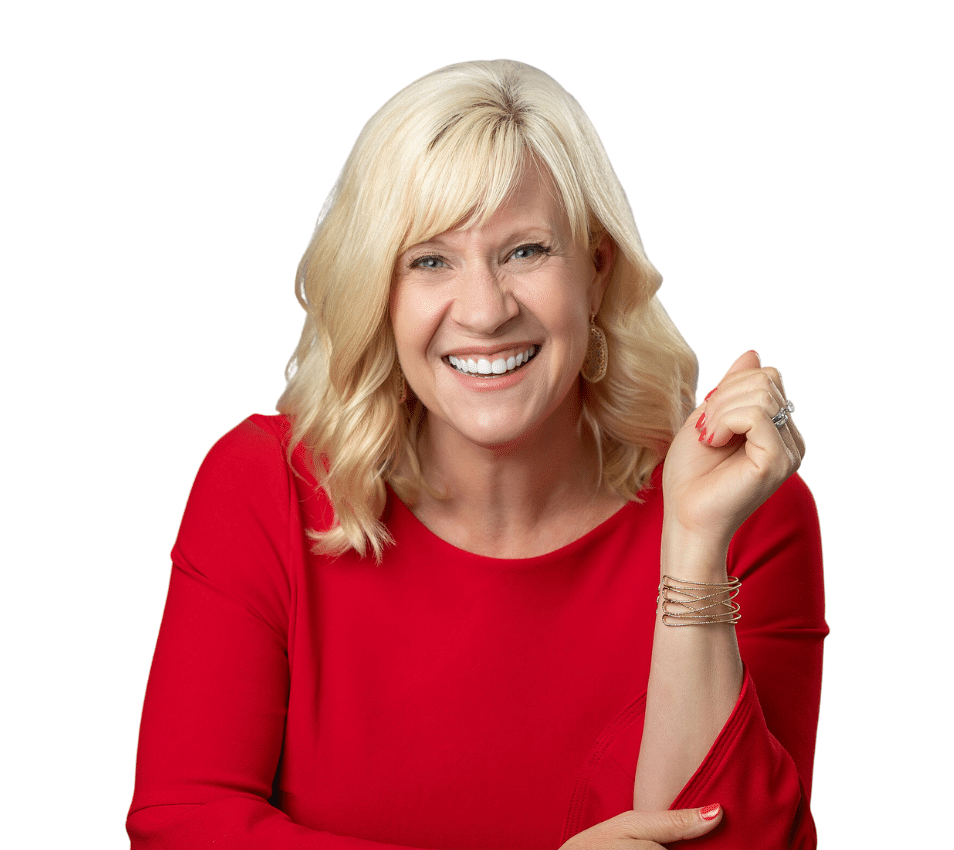
Jennifer is an accomplished Registered Dietitian Nutritionist boasting over two decades of expertise in nutrition and wellness. During the course of her career, she has worked at some of the nation’s premier health and wellness institutions, showcasing her depth of experience in the field. Jen’s master’s degree in Integrative and Functional Nutrition, coupled with advanced training in bioenergetics, provides her with a profound understanding of the complex interplay between nutrition, cellular health, and longevity. This specialized education has equipped Jen with a unique skill set, enabling her to delve into the nuances of how dietary and lifestyle factors influence the body’s energy production and biological processes of aging. Jen is currently the Director of Scientific Communications of Timeline Nutrition, where she plays a pivotal role in educating both healthcare professionals and consumers about the significance of cellular health and Urolithin A in the context of aging and longevity. Beyond her responsibilities at Timeline, she is a renowned speaker, writer, and media figure. Jennifer also continues to practice as a nutrition coach, dedicating herself to assisting clients in optimizing their nutrition for enhanced vitality and a longer healthspan.
Connect
Transcript
Dr. Sandi: I want to welcome our final presenter, Jennifer Scheinman. Jennifer and I talk at every conference at A4M, at Eudēmonia, at IFM. So, I’ve known you for a long time, but let me introduce you to our audience.
Jennifer Scheinman is a registered dietitian, nutritionist with many years of experience in integrative nutrition. She specializes in cellular health and aging, and serves as senior manager at Timeline Nutrition, where she educates on urolithin A and strategies to support energy and longevity. So, thank you for being with us, Jennifer.
Jennifer: Thanks so much for having me, and it’s always a pleasure to join you guys. All right. We are ready to go. Well, thank you so much for the wonderful introduction. Today, I’m going to talk a little bit about mitochondrial health and its role in longevity, and then more specifically about how urolithin A can support healthy aging, and all of the incredible research that is behind this molecule.
Mitopure is the branded name for urolithin A. And I thought I would sort of set it up with…there’s lots of conversation in longevity about these hallmarks of aging and what is actually driving aging at a biological level. And, really, it was almost about 10 years ago that this landmark paper was put out and published of identifying these nine hallmarks of aging. And then just about two years ago, they updated that paper and added a couple of new hallmarks. So, we now have landed at these 12 biological hallmarks for aging.
And I’m not going to read through the list here, but you’ll notice in bold these three mitochondrial dysfunction, this decline in macroautophagy or more specifically mitophagy and chronic inflammation. And the reason those are bolded is twofold. Number one is that urolithin A has the power to address those particular drivers of aging. But when we talk about these aging hallmarks, I think what’s so interesting is that some of these aging hallmarks are very amenable to lifestyle changes. And there is a lot of impact that we can do through supplementation, diet, and exercise, more so in some than others.
And also, these hallmarks, just like everything in our body, nothing lives in isolation. So, if you are impacting one of these hallmarks like mitochondrial dysfunction, you’re going to have a downstream effect in several other areas of aging as well. So, this is why I think this is super interesting to me is where do we have the opportunity to really modify and address these drivers of aging?
And so, the mitochondria, it’s become sort of a bit of a buzzword. And when I think back to my days as learning how to become a dietician, we had to memorize the Krebs cycle and all of…how energy was transformed from the food that you eat into the air…I’m sorry, into energy, into ATP. But that was sort of where the lessons stopped. And your mitochondria are so critically important. They are given the name the powerhouse of the cell, but it’s almost a misnomer. They’re really like the CEO of the cell. They’re driving so much communication and signaling throughout the body.
And just a couple of really interesting facts and why having your mitochondria front and center, and sort of your thoughts on health and how you’re addressing health with your coaching clients as well is we have more mitochondria in our body than there probably are stars in the sky. We have trillions of cells, and inside those cells, there may be hundreds to thousands of mitochondria. So, highly energy-demanding cells like the muscle and the brain will have thousands of mitochondria. And they power everything that we do from your thinking to your daily activities of living to your mental clarity. And so, that’s why when they decline, we feel it everywhere.
Mitochondrial decline has also been called a parent or central hallmark of aging, whereas I mentioned, these hallmarks don’t live in isolation. And when we are able to address mitochondrial decline, that is going to then impact some of these other hallmarks, particularly, I think, chronic inflammation and cellular senescence. And then of course, vice versa. If we are targeting some of these other hallmarks, they are going to impact the health of the mitochondria.
But the reason that I think mitochondria is becoming such a buzzword is twofold. Number one is that they are key players of the health of your cells and your bodies outside of just energy metabolism, which is a very important role, and that we have such an opportunity to target mitochondrial health and improve how our mitochondria are functioning.
So, you aren’t stuck with the mitochondria that you have, which is the good news. Our bodies, in just their infinite wisdom, their self-healing. There is just…because the mitochondria are so critically important, our body has this internal quality control mission called mitophagy. And this is also one of these hallmarks of aging. So, you may be familiar with the word autophagy, which is used very often in this total cellular recycling. We’ve heard a lot about it as a benefit from fasting and caloric restriction.
Well, mitophagy is this very specific autophagy, basically, that’s happening just on the mitochondria. So, when the mitochondria become dysfunctional, the body can recycle them and then create newer healthy mitochondria. So, you get rid of what I like to call the cellular junk drawer that’s gunking up the system, the things that we don’t need. And then we create newer, healthier mitochondria.
And I like this slide because there are a lot of supplements and molecules out there that can benefit the health of the mitochondria, but they’re working in different ways. And the way that urolithin A works is very unique. And that’s why I like this. This is certainly not an exhaustive list of all of the types of molecules out there to support mitochondrial health. But when I think of it, I think of it in three buckets.
So, one is that recycling process. You do need to get rid of that dysfunctional mitochondria. It’s causing damage inside the cell. It’s not just…damaged mitochondria don’t just sit there and not do anything. They’re actively sort of causing damage inside the cell. So, you want to remove them. You could also optimize how your mitochondria work. I think NAD and these NAD precursors and CoQ10, B vitamins, they’re all making sure that if you have a healthy mitochondria, you’re getting all the energy that you can out of it. And then, of course, creating new mitochondria.
And the thing that urolithin A is very unique here is that ability to stimulate the recycling process and then also help to build newer mitochondria. And that’s why I really think of it as foundational. It’s going to make your other mitochondrial supplements work better when you have new healthy mitochondria and you’ve gotten rid of, again, that mitochondrial junk drawer.
So, let’s talk a little bit about what urolithin A is. It is a natural molecule, but we don’t get it directly from food. So, the foods that you eat instead will supply these dietary precursors. So, urolithin A is what’s called a postbiotic. And I like to think of this as the gut microbiome we know is critically important for so many aspects of our health. And one of those things is this creation of postbiotic molecules. I think I’ve heard Dr. Hyman and other experts say things like your gut is a pharmacy. It’s producing these health-promoting molecules. And urolithin A is one of those.
So, when we eat foods like pomegranates, certain berries and nuts, these are…they’re called ellagitannins, specific polyphenol in those foods. Our gut microbiome will convert that into urolithin A. But there’s a big but about that statement is that…and no surprise. Most of us don’t have a healthy gut microbiome. So, we are missing out on the benefits of urolithin A. And even for that select few people, really, only about 30% to 40% of the population has the right gut microbiome to make it. But even in that group of people, most are not eating enough of the dietary precursors.
So, what we’ve actually found in our studies, as I start going through them, is to get these clinically meaningful benefits from urolithin A, you’d have to drink the equivalent of six cups of pomegranate juice daily, which, as a background, as a dietician, I think pomegranates are a great part of somebody’s diet. I would not ever recommend six cups of pomegranate juice daily. And that would also only be if you’re of that 30% to 40% who has the ability to make urolithin A. So, this is one of those rare cases where it’s really hard to rely on diet alone to get the benefits.
Now, Timeline, who are the makers of Mitopure, really are the ones who put urolithin A on the map. And they’ve approached studying this molecule very much the way that almost like a pharmaceutical is studied, where they identified these potential bioactives that are in nature, and they put them through rigorous preclinical trials in worms and mice. Then they move them through human trials before we even had a product on the market. And now, we are continuing to push the envelope and partnering with top leading research institutions across the world to understand all of the meaningful clinical benefits that urolithin A…some that we already have well-established and then some that are just starting to…they’re very promising in preclinical and we’re starting to unlock whether there’s some benefits in humans as well. So, we’ll start to go through the clinical data here.
So, the first one, this was really our first study. And one thing I actually should mention is…I’m not sure, Sandra, if you’re going to be sharing out the slides, but all of this is in the reference section at the end. And if you do go to the website, timeline.com, we have all of our clinical research listed there. It’s almost all open access. So, if you’re someone who likes to really nerd out on the research, you can go, you can read all of this for yourself. This is just going to be a little bit of an introduction to all of that.
But this was our first sort of proof of concept safety and efficacy trial. We wanted to make sure that that mitophagy we saw happening in animal models was happening in humans. And this study was done in sedentary older adults, and they were randomized to either a placebo, 500 milligrams or 1,000 milligrams of urolithin A.
And what you’re seeing here is a heat map of gene function. So, we’re looking at genes that are measuring how well the mitochondria are functioning and also measuring that mitophagy activation. And so, the gray here is dysfunctional mitochondria, and the red is the functional, healthy mitochondria. And so, you can see in a dose-dependent response with 500 milligrams and even more so with 1,000 milligrams, we have this really robust, significant improvement in that mitochondria function and more specifically that mitophagy happening. We also proved in this study that it was safe and well tolerated in all of our studies. There’s no difference in adverse events using Mitopure compared to placebo.
So, once we had locked that in, the next question really was, well, okay, we’re glad to know that it’s helping the mitochondria, but are we going to actually see outcomes from that that you or your patients and clients can feel and see? And that’s where the research now has moved to. So, we have really well-established research in the muscle space, showing that we have significant improvements in muscle strength and muscle endurance.
And the next few studies I’m going to show you were done in sedentary middle. This particular one was in middle-aged adults. The next one is in older adults. And we didn’t change diet or exercise. So, these were sort of your sedentary…I’m air-quoting healthy middle-aged adults with a BMI of 29. Some of them were on statins and medication for blood pressure. So, probably people that you’re coming across every day. And with 500 milligrams at the end of four months, again, not changing diet or exercise, we saw a 12% improvement in muscle strength that was specifically in the hamstring muscle.
And what I think is also interesting to note about this is that, over those four months, the placebo group actually lost muscle strength as well. So, not only is that showing, in my mind, two things, the power of if you’re not exercising, you are actively losing muscle strength pretty quickly, but also the power of Mitopure. It’s not that we just kept us stable. We actually were able to improve muscle as well.
And another thing in all of our studies is that we do see across the board…I don’t have it listed out here, but we do see improvements in inflammatory markers like C-reactive protein. Those come down across the board.
So, our next study, this was in sedentary older adults. They were an average age of 70, and it was a similar type of study. This one was specifically, though, with 1,000 milligrams of urolithin A. And after just eight weeks, we saw significant improvements, both in the hand and the leg muscle in endurance.
Another thing that I don’t have listed here, I think that’s important, is an improvement in a six-minute walk test. So, at baseline, we measured how far an older adult could walk during six minutes. This is sort of a standard fitness test that might be done in adults. And at the end of the trial, while it was not statistically significant, there was a meaningful, about a 30-meter, increase in how far an older adult could walk, again, without doing any sort of exercise training. So, very clinically meaningful, trending towards significant, but it did not make statistical significance at the end of the study.
And then the question really is, well, we’ve got some great data in sedentary middle-aged and older adults, but what about your active young athletes? And so, these studies, the one in the middle, we did in partnership with a research institution out of Australia. But I think what’s interesting about this is the two studies that are on the end were done outside of us. They did use our Mitopure molecule because it is clinically validated. It’s clean, and it’s pure, but we played no role in this. And in fact, we learned about the results sort of after the study was even done. And so, that really shows the credibility of our science and the lack of bias in some of this research.
So, similar trends in young healthy adults. What we saw in weightlifters was there was a significant improvement in muscle strength. The middle study looked at Olympic-trained runners, endurance runners. And there, the key message really was recovery. So, creatine kinase is sort of a measure that can be used with muscle damage and muscle strain post-activity and post-exercise. And that was much lower in our exercisers…sorry, in our Mitopure group than in our placebo group. Additionally, rate of perceived exertion came down. And there was also an improvement in VO2 max at an aerobic capacity.
And then in footballers or soccer players, they were part of a six-week training camp. And what we saw here was that their performance improved with urolithin A, specifically their run times and the distance that they could run, and also their jump height.
So, very, very clear that Mitopure has a remarkable impact on muscle and then, of course, mitochondrial function. But now, we’re starting to look at the research in other areas of aging as well. So, immune aging. We think of immune health often seasonally as cold and flu, and something you want to boost during the winter months. But the fact is immune aging is a key piece of the aging process. We all are pretty familiar with inflammaging, which is happening actually from this chronic inflammation that is part of an immune dysregulation. But also, as we get older, the body becomes less susceptible to fighting off viruses and also less susceptible to surveillance for cancer. So, this is really an important piece of the puzzle when we think about aging.
And our first study here was 1,000 milligrams as well. This was in healthy middle-aged adults. And we did this deep sort of phenotyping and analysis of the immune cells in this population. And what we found after one month is that these early responding immune cells, these CD8 T cells, they tend to be less of them as we age. And there was almost this immune rewiring or profiling where we had more of these early responding immune cells. And we also saw more biogenesis within these cells, and also that these cells had better energy metabolism. So, they were switching from glycolysis to free fatty acid and amino acid oxidation, which is what you actually want to see. We want to see that shift there. And then interestingly, better immune cell activity that was actually done outside the body. When we took the immune cells and we exposed them to E. coli, they responded much more quickly to that pathogen.
And this study is now leading the way to some more interesting studies, particularly even in the cancer space. So, these are two clinical trials that are underway right now with the clinical trial numbers, if that’s something you’d like to look up. But the Mito Cancer is looking at application of urolithin A and support with immunotherapy, specifically Keytruda and seeing if we can improve some biomarkers and outcomes there. And then the Uro-Pro is in men who have been diagnosed with prostate cancer and looking at some inflammatory markers associated with cancer as well. So, lots to learn here.
And then the other area that we have been very actively researching and have products in is skin aging. And the skin, of course, there’s the aesthetic aspect of that. And those of us who are taking care of our health want to look as well on the outside as we feel on the inside. But the skin also is an organ with its own job that also starts to lose functionality as we age.
So, anecdotally, what I’ve been told is that people who are taking our supplements are reporting that their skin was looking better. And so, it was a bit of this aha moment where, of course, we’ve got mitochondria in our skin and the skin is a very energy-demanding organ to continue that skin turnover. And then also we’re constantly exposed to UV light, environmental…a barrage of environmental toxins. So, this was…all of the studies I’m going to show you on skin are done with…they’re in a preprint, which is actually under peer review right now, and should be published hopefully any day. I think, fingers crossed, by the end of August. So, this will be a peer-reviewed publication that will be accessible for all of you to read. But the preprint is also up on our website.
So, this first part was actually preclinical where we just wanted to look at the effects of topical Mitopure on the skin cells, specifically, the keratinocytes and the fibroblasts. And here, what we see is that it’s happening very quickly. So, after just 72 hours, we start to see this improvement in mitochondrial turnover and mitochondrial quality. And in fact, the skin cells and their mitochondria start to renew by 30%. We’ve also done what’s called an HRIPT. We actually have several of these now, not only on just the base molecule, but also all the finished products.
So, HRIPT is basically a human safety and sensitivity test. And we’ve done this. This particular one was 109 patients. But as I mentioned, we have several others. So, we have hundreds of patients who have gone through this safety trial with no signs of irritation or sensitivity, which is important because a lot of what is on the market right now for skin aging, things like retinol or even alpha hydroxy acids and some of those can be really irritating to the skin. And not everybody can use them, especially if you have sensitive skin. So, it’s really nice to have something that is gentle, but yet powerful. And we’ll get to some of that data in the next slide.
So, as I mentioned, that first slide really is about preclinical data, but we, again, want to have products that have science behind them that you can see and feel. And so, this is clinical data on our topical formulation. Again, this is just Mitopure as a base ingredient. And then each of our finished products also have some additional benefits as well because they’re paired with some other actives.
But here, what we see is…I think what probably most of us are looking for is healthier looking skin, lower wrinkle depth and volume. And so, after just two weeks, what we saw, compared to placebo, was that visible signs of aging were reduced. And then when we took that out to eight weeks, it became statistically significant.
We did skin biopsies on these subjects. And what we found is those genes that are related to collagen abundance and collagen assembly, they’re all upregulated, which is part of why we start to see that healthier, more robust looking skin, and that lower fine lines and wrinkles.
And then what I think is really interesting is this last column, which talks about photo aging because, again, these retinols and a lot of the actives that we use, you have to be very sensitive to the sun and very careful with sun use after you use these. And in fact, this seems to be the opposite. When you apply Mitopure topically and specifically after exposure to sun, all of this, it’s called erythema and inflammation and the redness that happens after sun exposure is resolved much more quickly. And so, I would never say this is a replacement for a sun block or sunscreen of any way, but it does seem to have this ability to protect against photo aging. And so, I think that…especially since photo aging is really the main driver of skin aging. Of course, cellular decline is paired with that. So, this is kind of working both on different drivers of skin aging.
So, all of our products at this point, we have over 2,000 patients or participants who have gone through our clinical trials. We’ve got hundreds of thousands of customers that are using this safely and with wonderful feedback on the products. I think clinical efficacy is highly important, but just as important is the quality of what is in the supplement as well. What is available on Amazon lots of times, to be fair, is like pure junk and garbage. And so, if you are looking at…and this is not just urolithin A. Any supplement that you’re looking at, you want to look for something that is third party tested.
So, we’ve been awarded…it’s called Generally Regarded As Safe by the FDA as a supplement and food product. We are NSF. Some of our products are NSF certified for sport. Some of them are just NSF, but NSF for sport is really one of the highest, cleanest standards because that is making sure that athletes can take this safely and there’s no…nothing in there that’s going to enhance their performance. But then, of course, just NSF is making sure that it has what we say is in the label, is actually in the product and nothing else. So, no pesticides, heavy metal, all the things that you don’t want to have.
And we’ve got…across both skin and the dietary supplement. We have over 20 clinical trials to date, 11 on muscle and immune. And we have several that are ongoing, which are easy to find if you do go to clinicaltrials.com. I mentioned those first two in immune, but we’re looking at things like brain aging. The Buck Institute of Aging is really interested in how urolithin A supports brain aging and neurodegenerative disease. And we are also looking at some more immune studies as well, muscle and skin kind of continuing to build a portfolio there.
So, lots still to come and learn about this molecule. And I think we’re just sort of at the tip of the iceberg. So, really excited to learn more about what this can do. But given the powerful efficacy, the proven response on mitochondria and specifically mitophagy and the safety of it, this is something that I think people can feel very comfortable using.
So, how to use it? The doses that we study are 500 and 1,000 milligrams. We did study 250 milligrams, and we did study 2,000 milligrams, 250 didn’t seem to do anything. So, there are some other products out there that I’ve seen that do have actual Mitopure in it, but that’s at a dose of 250 milligrams. There’s just not going to get any benefit from that. And it seems the benefits plateau at 1,000 milligrams. So, there’s no upper level of toxicity, but there just doesn’t seem to be any reason to take more than 1,000 milligrams. It can be taken, fed or fasted, but you just want to try and take it around the same time of day. That’s great for compliance, but also because it has about a 24-hour half-life. So, that’s really just being consistent there.
And then I’m just noticing that I don’t have our most favorite way to take urolithin A. So, we have our soft gels, which are these red pills. We have a berry flavored powder, which is wonderful to mix into a smoothie or yogurt. But our gummies, which are probably the most popular, they are sugar-free, natural flavors, natural dyes. Strawberry gummy that I can’t tell you how many times people are like, these taste too good to be true. They taste like you guys should go in the candy business. They’re really, really delicious. And all of those are at 500-milligram dose. That’s what the month supply is, but you can very much…if you’re interested in having the higher dose, you can go up to 1,000 milligrams as well.
So, this is our line of direct-to-consumer products. So, you can see there, I do have the gummies pictured. And then our whole line of skincare products, everything that is from a cleanser to an exfoliator to different types of creams and serums and an eye cream. They all have 1% urolithin A, and then they’re all paired with different actives so that this could be a full system, should you choose to, or you could very easily pick one thing and integrate it into whatever skincare regimen you already have and are happy with. The nice thing is, because it’s so gentle, you can pair it with other things without really having a concern for sensitivity or irritation.
And then for anyone who’s listening, who is working directly with patients, we do have a pro line that just launched in, I want to say, end of February or March. So, this is that higher 1,000-milligram dose. That is where we really start to see more of those benefits. So, most of our studies were done with 1,000 milligrams. We do know that 500 is adequate for stimulating mitophagy. It is adequate for muscle strength, but most of our other studies in the athletic population, the immune study, that was done with 1,000 milligrams. So, we wanted to make sure that providers have access to that. And that is available through wholesale on our website. I should have put that in here. So, Sandra, I’ll make sure you have that for any takeaways, but pro.timeline.com is where you can sign up for an account, or anybody who’s using Fullscript, we’re available there as well.
And we are launching at the end of September a pro serum. So, that will have a higher concentration of urolithin A, and paired with some different actives that really are meant to work synergistically with the urolithin A and give what I like to call a one plus one equals three approach to the benefits. So, it seems that these molecules support each other and work on different hallmarks of cellular aging. And so, that also will be both on Fullscript and direct to provider. And that will be launching at the end of September. And we’ll have all of that research that I shared on skin should be published by then. And we’ll also have some clinical data specifically on this product as well.
And then we just have top doctors and scientists that are part of our board and that use Mitopure both personally…I’d already mentioned some of the research we’re doing in the Buck Institute of Aging, but some leading thought leaders in longevity medicine are very excited about all of the research because we’re doing things differently. And then I think the world feedback also is just critically important. We hear daily from our customers and then also our providers that are using it on the patients, people are feeling more energy. They’re noticing improvements in strength. They’re noticing more clearheadedness. So, it’s something that is…again, it’s not just moving a biomarker. It’s actually something that’s making people feel better. And so, I think that’s obviously what we all want. We want to make sure that we’re feeling the best that we can in today’s crazy world.
And so, that’s it. I’m happy to answer any questions.
Dr. Sandi: Well, thank you. Thank you so, so much. It was very, very informative. And we have a couple of questions as we draw to a close, but there’s some great questions that came in. What is the lowest dose of Mitopure that provides a notable impact? I think you’ve already answered it, but I’m throwing it out there.
Jennifer: Yeah. So, 500 milligrams would be the lowest dose. When we studied 250, we just didn’t really see any significant activation of mitophagy happening. Yeah.
Dr. Sandi: Okay. And then two questions about…are the gummies just as impactful as other options? Is there a difference in absorption and effectiveness in the different delivery systems?
Jennifer: Yeah. No. We have studied to make sure that all of the doses are…sorry, all the different products have the same bioavailability. They’re all absorbable, and there’s no issues there. So, it’s really just about how you’re going to be most consistent. I personally love the gummies, but when I travel, I bring soft gels with me because the gummies.
Dr. Sandi: And I got to tell you, it’s coincidence. But as you were talking, I got a delivery of new supply of gummies. I do the powder in my smoothie every morning. And then in the afternoon I do my second dose with the gummy. So, I love them. And the skincare is incredible. And so, thank you so much for being with us. This has been a wonderfully informative presentation. And just like our other presenters, their products, we thoroughly vet companies. And everything that you have heard today has been from people who have integrity, who have companies that are the real thing, that you can feel secure in knowing that they are doing their due diligence in terms of quality, raw materials, research. So, this is great. Oh, a question came in. And I think Alicia says, are there any discounts? So, can you address that?
Jennifer: We can absolutely put together a discount for you. And I have to check with our partnerships team on what that would…I don’t want to misspeak, but absolutely.
Dr. Sandi: Okay. All right. Well, thank you. And again, just a reminder, you will get the slides. Everything has been recorded. So, thank you for being with us today. And please come back. If you enjoyed this summit, we will have others. And we have Ask the Expert presentations about a single topic as well. And if you are looking at becoming a health coach, we are enrolling for our September class. And I hope you will consider joining us. There’s very exciting things happening in the world of health coaching. It’s a wonderful time to become a health coach. So, thank you, Jennifer. Thank you to everybody who has been with us today.
Our Latest Blogs
-
Labs, Supplements, and Legal Liability: Where Coaching Ends and Practicing Medicine Begins
Read Full Article: Labs, Supplements, and Legal Liability: Where Coaching Ends and Practicing Medicine Begins -
From College Student to Functional Health Coach: Maria Falcon, FMCHC
Read Full Article: From College Student to Functional Health Coach: Maria Falcon, FMCHC -

Supplements 201: A Smarter Approach for Health Coaches
Read Full Article: Supplements 201: A Smarter Approach for Health Coaches
