How to Heal Your Body from Post-Betrayal Trauma, With Dr. Debi Silber
How does betrayal shape our health, relationships, and ability to move forward in life? This week on Health Coach Talk, Dr. Sandi welcomes researcher, author, and Post Betrayal Transformation Institute founder Dr. Debi Silber for a conversation about the hidden effects of betrayal trauma and why it may be the missing piece behind so many persistent emotional and physical health struggles. Drawing from her groundbreaking research on Post Betrayal Syndrome, Dr. Debi explains how betrayal differs from other forms of trauma and why healing requires more than simply “moving on.”
“Betrayal is one of those types of experiences that, until and unless you intentionally and deliberately heal it, it will follow you around into your work, into your health, into your relationships.”
Dr. Debi Silber
Driven by her own personal experiences with betrayal, Dr. Debi dedicated her career to understanding why some people remain stuck in survival mode while others experience profound transformation. Her work led to the development of the five stages of betrayal recovery and the creation of the Post Betrayal Transformation Institute, where she trains coaches and practitioners to recognize signs of unhealed betrayal in their clients. In her conversation with Dr. Sandi, she shares how betrayal can quietly influence everything from gut health and emotional eating to burnout, anxiety, and chronic stress, often lingering for decades when left unaddressed. Together, they discuss the physical and emotional symptoms of Post Betrayal Syndrome, the connection between betrayal and identity shifts, and the opportunity for transformation that can emerge through intentional healing.
For health coaches, this episode offers important insight into the emotional experiences that may sit beneath common client concerns like digestive issues, weight struggles, emotional overwhelm, and difficulty making lasting behavior changes. Dr. Debi explains how coaches can recognize patterns associated with betrayal while remaining within their scope of practice, helping clients move toward greater awareness, resilience, and growth. The conversation also highlights the power of developing deep expertise within a specific niche and the impact coaches can create when they fully understand the populations they serve.
Watch The Episode
Episode Highlights
- Explore why betrayal creates a unique form of trauma that impacts both health and identity
- Understand the five stages of betrayal recovery and where many clients become stuck
- Examine the connection between unhealed betrayal, chronic stress, and physical symptoms like gut issues and emotional eating
- Learn how health coaches can recognize signs of Post Betrayal Syndrome while staying within their scope of practice
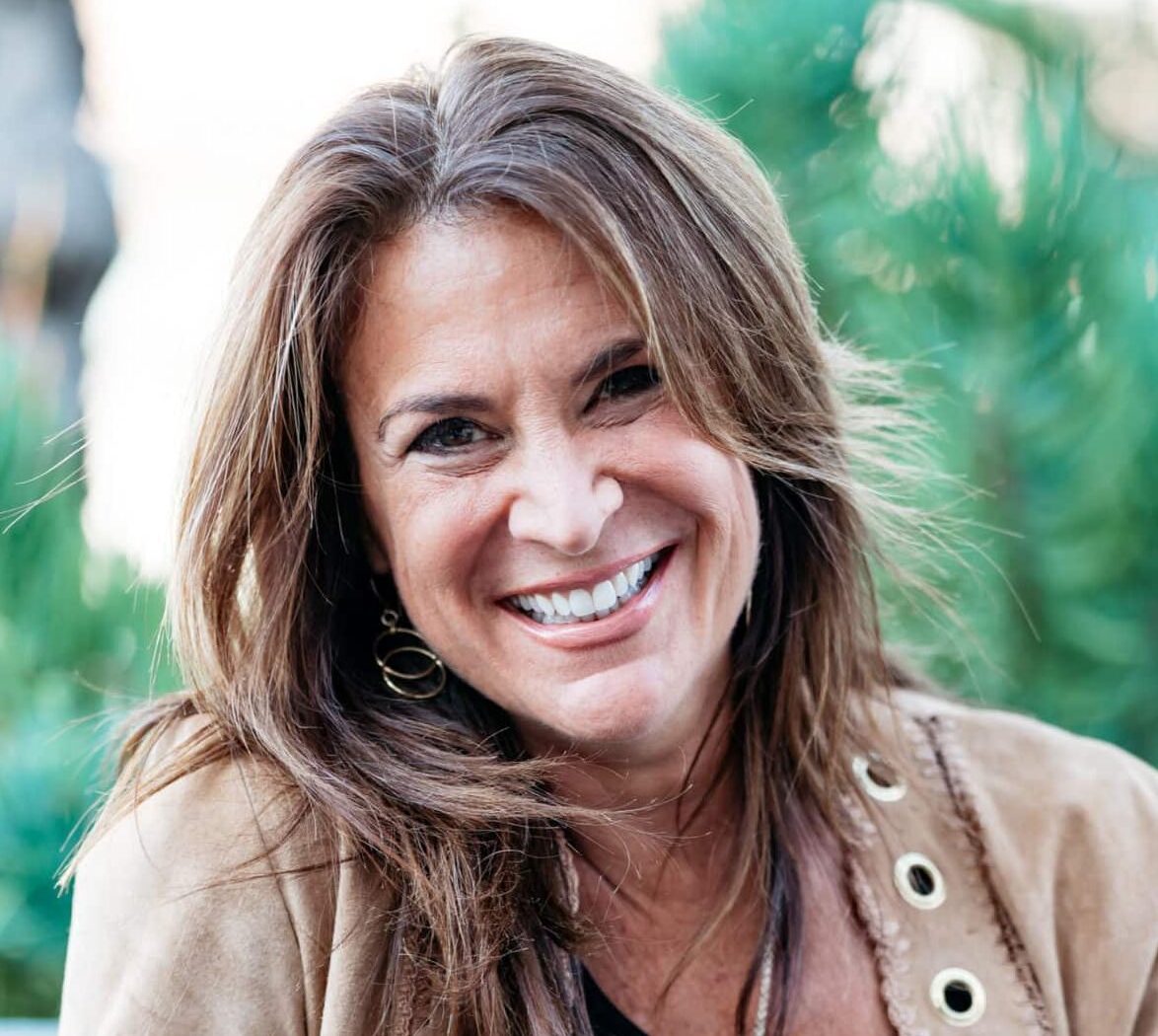
Dr. Debi Silber is a researcher, speaker, and founder of The PBT (Post Betrayal Transformation) Institute — an organization that trains coaches, healers, and practitioners in uncovering what they were never trained to see: unhealed betrayal. Through that lens, coaches are finally able to help their most resistant and stuck clients move forward in ways that nothing else has been able to touch. Her PhD research uncovered three groundbreaking discoveries: that betrayal is a distinct type of experience that needs a specific way to heal, that Post Betrayal Syndrome® is a real and identifiable cluster of physical, mental, and emotional symptoms common after a betrayal, and that The Five Stages of Betrayal Recovery™ represent a universal, predictable path to healing. A two-time TEDx speaker with over 2 million combined views, two-time #1 international bestselling author, and host of the top-ranked podcast From Betrayal to Breakthrough, Dr. Debi has dedicated her career to giving health and wellness professionals the missing piece that can make all the difference. Her latest book, UNSTUCK: The Practitioner’s Guide to Moving Betrayal Clients from Survival to Transformation, speaks directly to coaches and practitioners ready to go deeper with their clients.
Connect
Listen Now
Transcript
Dr. Sandi: Welcome to another episode of “Health Coach Talk.” I’m your host, Dr. Sandi Scheinbaum. And today, I have a conversation about something that some people who, particularly health coaches, might not be aware of how it might be impacting them or their clients. And it has to do with betrayal. And as a result of wanting to explore this topic, I brought on the expert in post betrayal and particularly post betrayal transformation. Her name is Dr. Debi Silber. I am proud to call her a friend. Let me tell you just a little bit about the amazing Dr. Debi.
She is a researcher. She’s a speaker. She’s the founder of the PBT Post Betrayal Transformation Institute, an organization that trains health coaches, all kinds of coaches, healers, practitioners in uncovering what they were never trained to see, unhealed betrayal. Through that lens, coaches are finally able to help their most resistant and stuck clients move forward in ways that nothing else has been able to touch. Her PhD research uncovered three groundbreaking discoveries that betrayal is a distinct type of experience that needs a specific way to heal, that post betrayal syndrome is real and identifiable as a cluster of physical, mental, and emotional symptoms common after a betrayal. And she’s identified the five stages of betrayal recovery.
She has a TED Talk. She’s a two-time TEDx speaker with over 2 million combined views, a two-time number one international bestselling author, the host of the top-ranked podcast “From Betrayal to Breakthrough.” And her latest book “Unstuck: The Practitioner’s Guide to Moving Betrayal Clients from Survival to Transformation” speaks directly to coaches and practitioners ready to go deeper with their clients. I know that you are going to find my conversation with Dr. Debi to be fascinating. So, here is my conversation.
Welcome to “Health Coach Talk.” And I have a very special guest. She is somebody I have known for many years. We’re friends. I’m proud to call her a friend and colleague. And I know you’re going to enjoy our conversation. So, welcome, Dr. Debi.
Dr. Debi: Oh. Thank you so much. So looking forward to our conversation.
Dr. Sandi: Well, you are somebody who is really leading the way in a groundbreaking theory, but not just theory, but putting it into practice. And you have helped so many people. So, let’s start at the beginning. Let’s talk about this betrayal syndrome, because I know that we have a lot of coaches in this audience who may not be aware. They may know what betrayal is. But how does it impact? Perhaps it’s impacting their clients and that client may not be having a breakthrough because of some past betrayal. So, let’s start there and really talk about what is betrayal and how can a coach recognize it?
Dr. Debi: I love that question because betrayal is so sneaky. And the best coaches, they’re not trained to look for it. This was never taught in any coaching curriculum. So, it’s one of those things when you know the language of it, you know how to spot it. But what betrayal does is it will…first of all, it’s such a unique type of experience. And so, anybody who says trauma is trauma, that’s not true because the invitation after any trauma is to rebuild, let’s say, your life. Let’s say you lose someone you love. You grieve, you’re sad, you mourn the loss. Life will never be the same.
But betrayal is so different because not only is the invitation to rebuild your life, you need to rebuild the self. All that was shattered, rejection, abandonment, belonging, confidence, worthiness, trust, that’s unique to betrayal. So, when people think, okay, well, I’m just rebuilding my life, they’re missing that whole self piece. And then they assume — let’s say it’s years later — well, surely, I’m over it by now. No. Betrayal is one of those types of experiences that until and unless you intentionally and deliberately heal it, it will follow you around into your work, into your health, into your relationships. So, the best health coaches are working with clients with symptoms of post betrayal syndrome. And I’m happy to dive into that a little bit more.
And these symptoms originated with the betrayal. There’s so much to it. Even the trust aspect, when you think about it, the nature of trust, we have our own system to decide if someone is trustworthy. Let’s say they do 50 or 100 things and we see them do something consistently, repeatedly 50 or 100 times. We decide, okay, now, they are trustworthy. Now, that person betrays us. What’s so shattering and so shocking is not only that they betrayed us. We look at it and say, uh-oh, my whole system I created to discern trustworthiness is fundamentally flawed. I can’t trust myself. So, when that’s what you’re walking around with, you’re bringing that into every experience going forward.
Dr. Sandi: So, this was something you really came upon in your doctoral work, calling it the post betrayal syndrome and you created an institute, the PBT Institute to train coaches, to train providers, and really to help people to be able to identify this, and most importantly, to help people through it so that they can come out on the other side resilient and strong.
Dr. Debi: Yeah. And resilience is beautiful. Transformation is the goal. And I use this analogy to see the difference between the two. Let’s say there’s this old house and the old house needs a new roof. And you get a new roof. That would be resilience. Or let’s say it needs a new paint job and you paint. That’s resilience. You’re restoring it. You’re bringing back. Here’s what happens with betrayal. It’s like a tornado comes along and levels the house. A new roof’s not going to fix it. A new paint job’s not going to fix it.
Now, you have every right to stand there and mourn the loss of your house and bring all your friends over and show them. And they’d all agree. It’s tragic. However, if you choose to rebuild the house, you don’t have to, but if you choose to, why would you build the same one? There’s nothing there. Why not give it everything the old house didn’t have? That’s the opportunity in betrayal when someone understands the five stages of betrayal recovery. And that’s what we do. We train coaches in those five stages.
Here’s a classic example. Someone will get to a place of where they say, I’m fine. So, in a typical coaching relationship, the relationship may end. They may graduate that client because they’re fine. They’re better than they were. And they send them off. However, according to the five stages of betrayal recovery, that’s only stage three. So, when they learn that, and then they’re like, oh, my gosh, I’ve been sending clients away before the transformation, they’re both denying themselves the most exciting, fulfilling part of the coaching relationship, which is the transformation. That happens in stages four and five. I’m happy to talk about the five stages as well.
Dr. Sandi: Yeah. So, while we’re on that subject, I know our audience would love to know what are those five stages and how can they help people through each of them?
Dr. Debi: Yeah. Sure. And through the coaching lens, I just want to share that your clients are likely not coming to you for betrayal. They’re coming because of a weight issue, because of an immune issue, because of a gut issue, because of some sort of health issue. But you will see, when I share after, if I can, the symptoms of post betrayal syndrome, they all started because of that betrayal. So, let me dive into the stages.
So, stage one, this is actually before it happens. And here’s where, when we’re in what we believe is a healthy relationship, we’re not scanning for betrayal. We’re living our lives. We’re working, we’re raising kids, taking care of elderly parents, whatever it is we have going on. So, this is why betrayal is such a shock because we’re not looking for it. We assume we’re in a relationship where it’s not a factor. And we also…because we have so much to do, we intentionally or unintentionally turned down our intuition. And we do that because when we’re busy, we’re able to get more done if we do more thinking and doing versus feeling and being.
But I want to share this as well. Sometimes we intentionally turn down our intuition. And we do that because we say things like, you know, I must be imagining that, there must be a good explanation. I’m sure there’s a good reason for it. And we do that because if we were to confront what we feel is happening, we’re going to likely create…everything will unravel. And we may not have the mental, the emotional, maybe the financial bandwidth to take that on. So, we look the other way. We intentionally turn down our intuition.
And then there’s the shock and the trauma, D-Day, discovery day. This is stage two, the scariest of all of the stages. And here’s where we do that rumination. And in the beginning, it’s really, really important. And we’re doing that because we want to find what we missed, because if we can, it’s giving us that sense of, okay, if I can figure out what I didn’t see, it’s going to prevent this from happening again. Really important right here.
But here’s where we ignite the stress response. We’re now headed for every single stress-related symptom, illness, condition, disease. The mind is in a complete and total state of chaos and overwhelm. The bottom has bottomed out on us and a new bottom hasn’t been formed yet. This is terrifying. Right? But think about it. If the bottom were to bottom out on you, what would you do? You’ll grab hold of anything or anyone in order to stay safe and stay alive. That’s stage three.
Here’s where most health coach clients are coming in right here. Because now, they’re struggling with symptoms of post betrayal syndrome. They’re managing their lives. They’re actually functioning. They’ve created a functional foundational sort of life again. They’re fine, but it’s behind walls. It’s with a flatness. They’re unwilling to risk that level of vulnerability again. It’s all behind the walls because it’s like, I’m functioning. I’m going back to work. I’m taking care of the kids. I’m doing all the things. But meanwhile, they’re managing and suppressing symptoms of post betrayal syndrome. Nothing has really changed. So, they’re at risk for repeat betrayals. They’re fine.
And now, because they’re so unhappy, right here is where they start numbing, avoiding, distracting. So, now, they’re using food, drugs, alcohol, work, you know, all these things. They do it for a day, a week, a month. Now, it’s a habit, a year, 10 years, 20 years. I can see someone 20 years later and say, that emotional eating you’re doing, do you think that has anything to do with your betrayal? And they’d look at me like I’m crazy. They’d say it happened 20 years ago. All they did was put themselves in stage three. Does that make sense?
Dr. Sandi: Absolutely. Yeah. Makes so much sense.
Dr. Debi: It’s the most common place most people get stuck. So, now, the most brilliant health coaches that I know, you work with them. The most brilliant health coaches are helping them with their sleep, with their immune issues, with their weight issues, with all of this. We’re at the root of it, is an unhealed betrayal.
For example, 45% of everyone betrayed has a gut issue of some kind, IBS, diverticulitis, Crohn’s, reflux, you name it. And we had a woman in our program, when we were still seeing members within the PBT Institute, in her mid-80s. And she had a 70-plus-year digestive issue. It was a family betrayal. She was adopted. They didn’t tell her, something like that. So, for 70 plus years, you can imagine the supplements, the protocols, the food, the medicine, for her just to resign herself to believing, I have a bad stomach. It’s just the way I am. Two weeks into healing the betrayal, she healed from a 70-plus-year digestive issue. But that’s what happens when you get to the root cause. And we see that with every single symptom of post betrayal syndrome.
Anyway, if we’re willing — willingness is a big word right here — to grieve, mourn the loss, let go of the story, all it gives us, all of it, we moved to stage four. Stage four is finding and adjusting to a new normal. Here’s where we acknowledge I can’t undo what happens, but…what happened, but I control what I do with it. Very forward-moving, very action-oriented. This is the part of coaching that’s so exciting to be a part of. But when we let them go in the I’m fine part, we’re denied all of that.
So, now, they’re deliberately and intentionally creating this new version of themselves. Who am I ready to become? What have I outgrown? What doesn’t serve me anymore? What was I tolerating? All of it. Once we’ve settled into that space, we move into the fifth most beautiful stage, and this is healing, rebirth, and a new worldview. Here’s where beautiful, new levels of health, new businesses, new passion projects, new relationships, either with the person who hurt them in a very different way or with someone entirely new. They didn’t have the bandwidth for any of that in stage three, but in stage five, it’s all available.
Dr. Sandi: This is really phenomenal, how you have outlined these stages. And for somebody listening who thinks, well, this sounds a lot like maybe my clients need psychotherapy and they don’t want to go out of scope of practice to be actually doing psychotherapy, making a diagnosis of post betrayal syndrome if they are health coaches. So, can you address that issue where you’re exploring this, but can you do it without doing it as psychotherapy?
Dr. Debi: Oh, absolutely. And we certify hundreds of coaches, and there’s a very distinct line between what they’re doing and what a therapist would do. And you know what’s so interesting? The therapist, well-meaning, well-intentioned, big-hearted therapists, they’re actually harder to certify because…
Dr. Sandi: I can believe that.
Dr. Debi: …that client is feeling heard and validated and understood. And what’s happening is they’re actually locking them into stage three, where coaches are wired differently. It’s always forward-moving. And even in the training, we teach, it doesn’t matter if you’re moving them one degree, five degrees, seven degrees, you are moving them towards the next stage in every single session. But the language that a coach is using, the interventions the coach is using is all centered around being within their scope. They’re not doing anything that a therapist would do. So, it’s very clear. And that’s why…and I know coaches love handouts and worksheets and assessments, but it is completely catered to the coach. And that’s really who it’s designed for.
Dr. Sandi: That’s beautiful because…and I just want to be clear for anyone listening that this is not a new disorder. This is not in the DSM manual of mental disorders that we’re talking about. So, you are not diagnosing it, whereas a therapist might look at this and say, this person has major depressive disorder or generalized anxiety or a combination of the two, and dig into the past without focusing on moving forward and really helping that client to come to their own insights, but most importantly, how they’re going to change, moving forward. So, this is so common.
And as you’re talking, I can think of…I had two very close friends. Both of them had husbands who, all of a sudden, just walked out, left them for other women. And both of my friends never got over it and still keeping the clothes in the closet, thinking they would come back one day or one actually mentioned addictive behaviors, took up smoking. Eventually, they both passed away at an early age. One ended up lung cancer from the smoking, and the other as well never really recovered, got over that betrayal of her former husband. And even if it was years, years later, would still obsess and talk about them constantly. I think those are good examples. And we tend to think of when somebody’s betrayed you. But are there situations that perhaps at work where you’ve been betrayed, other examples that might not come to mind as easily as a husband cheating on them?
Dr. Debi: Yeah. Just to your point, that is…those are two people who were so deeply stuck in stage three, and it is the most common place we get stuck. But I just want to just…before I respond to your question, think about the power you’re giving that experience, we’re giving that person. The worst of it happened already. You owe it to yourself to move through the stages and use the absolute crash and burn of the old to rebuild something completely, entirely new. That’s the opportunity. And it’s so missed when someone is hanging onto the familiar known. That’s the only thing, it’s familiar. That’s it.
But if they were to move into stages four and five, they wouldn’t…if they knew what stages four and five felt like, they wouldn’t stay in stage three for a minute. It’s really like, imagine two best friends and they’re both 30 pounds overweight. They’re fine. It’s not stopping them from doing anything. They put themselves together, they’re living their lives. And then one day, one friend says, you know what? I’m so done with the 30 pounds. I’m losing the weight. And she does. And she’s now wearing clothes she chooses versus what fits, has more energy, whatever it means for her. And she says to her other friend, come on, it’s so good over here. And the other friend says, I’m fine. And the truth is she is, but if she knew what that felt like, she wouldn’t waste a minute there.
So, what you shared was a classic example, classic of stage three. To answer your question, yes. Betrayal is…it’s the breaking of a spoken or unspoken rule. So, this could be someone in a position of authority. It could be a parent, a teacher, someone in a religious capacity, a boss, a coworker. Anytime the spoken or unspoken rule was broken, that’s a betrayal and self-betrayal as well.
Dr. Sandi: Yeah. There’s a television series that’s new that I’ve been watching called “Madison” with Michelle Pfeiffer. And she is the central character, is a woman who suddenly loses her husband. And there’s a scene in there where she talks about, I thought we would be, you know, having wheelchair races in the home together and live out our lives together. And now, she’s a young widow and is completely blindsided and is full of…there’s a scene where she is so angry that this occurred. And so, I wonder if it…can it be situations that just happened…it happened to be an accident in this show, but…so, she’s angry and really can’t get past it. And the whole season one is about how she’s struggling to come to acceptance of this betrayal that she thought she’d always have the love of her life.
Dr. Debi: Yeah. Betrayal of expectations. The expectation was they’d grow old together. She didn’t get that. Right? Breaking of that spoken or unspoken rule. So, yes, the anger is there. And the sense of lack of justice. So, what is this? I feel ripped off. I didn’t get what I signed up for. That’s a betrayal. But the biggest piece that you see that’s common throughout is that anger and that bitterness and that resentment. And I mean, when you think of what creates illness and disease, there you have it. And these are all symptoms of post betrayal syndrome.
And the beautiful piece of it is what we see healed physically, mentally, emotionally, as someone moves through, it’s so beautiful to watch because the anger, gone, the gut issues, gone. But most people just…they’re gripping for dear life in that stage three. And it’s really such a disservice. They don’t know there’s anything else. And the longer they’re there, the harder it is to leave. It’s like they’re wearing these foggy goggles or glasses for so long, they don’t even know they have them on.
Dr. Sandi: As we’re talking about this, I thought about that we’re about to release a new course on perimenopause and menopause. And we have a lot of content about body image changes, identity shifts during this time of your life. And I wonder if this is a time when particularly women are really at risk. Whereas in other phases, maybe when they were in their 20s, they might have coped with a betrayal better or had more reason. And now, there are already issues of my body’s changing, I don’t recognize who I am, they’ve got hormone fluctuations. So, can you comment? Have you seen this, that this is a particularly vulnerable time for somebody to be at risk for this syndrome?
Dr. Debi: Yeah, it is, because one of the first things that people do is blame themselves. And here’s the thing. And if you have to say this a million times, it’s worth it. Even though it happened to you, it’s not about you, but we take it personally. So, we think, I wasn’t enough in some way. I wasn’t young enough, pretty enough, thin enough, rich enough, whatever enough. And we think that’s what caused it. And so, now, add onto that, our bodies are changing. We’re not feeling as good in our own skin, and it compounds it.
And add to that, if we’ve felt that way for a while, or if we’ve been betrayed in the past and that hasn’t been healed, now, we believe it’s got to be me. I’ve got to be less than unworthy, undeserving, whatever it is, because why else would this happen? And it’s all because the original betrayal, the original feeling, whatever it was, was never healed. And, yes, in that…those years were just, we need extra love and support and kindness and care and compassion. And this is such a hit, such a blow to the self.
Dr. Sandi: Yeah. And so, coaches who have clients who are experiencing this in terms of their life stage, to be on lookout and to see what are some signs that if somebody is not making progress, what are they missing? And this is certainly such an important area and something that so many people are feeling, feeling betrayed, not only in a relationship, but passed over for a promotion at work, or they see a younger person getting a position that they were very well qualified for, or just worried about the possibility of this occurrence. You have a book that I want to turn to because it’s…I think it’s something that I love our audience to know about. Can you talk about “Unstuck”?
Dr. Debi: Yes. So, “Unstuck” is my newest book, and that’s for practitioners because I want practitioners to know the psychographic of that client, who’s coming their way. I want them to know the language of it. For example, the people pleaser or the most resistant client, those are most likely betrayal clients. So, if you know how to spot it, you’ll know when they say, no, no, I’m fine. I’m good. You’ll say, oh, no, that’s a betrayal issue. And you’ll know the questions to ask to get to what’s going on so that you take them so much further.
So, “Unstuck” is for practitioners to know the five stages, know the symptoms of post betrayal syndrome, know what someone coming in will say, what it sounds like, what it looks like, just so that you could be…just help them so much more effectively. Because this is something that they’re likely not going to come out and say, but if it’s in their background, it’s showing up in your sessions. They’re coming your way anyway. So, knowing what they look like, sound like is going to just help you work with them so much more effectively.
Dr. Sandi: There’s something else that I wanted to…before we end our conversation, to point out. And that is, I have known you for so many years, and you had this discovery and you went full out to create…to write a book, to do TED Talks, to have a very successful institute, which I like to talk about. And often, a question we get from people who are just entering the health coaching world or considering becoming health coaches is, I don’t know, should I just serve everybody? And you really dialed in to this population. And now, that’s what you’re known for. You are the discoverer, you are the developer of your institute. And so, when somebody talks to me about betrayal, Dr. Debi Silber. There’s no one else comes to mind. And so, I just want to encourage anyone listening who is doubting the value of going really narrow with who you are going to serve, that you have been so successful, and really have helped so many people because of your desire to go deep on this subject.
Dr. Debi: Thank you so much, Sandi. And I do not like to brag and it’s so uncomfortable, but just for the health coaches hearing this, wondering if they should niche, I just learned that I’m the world’s leading expert in how betrayal recovery impacts human performance. And you know me. Just me. So, what I’m saying is, when you have something that you’re so passionate about, whatever that angle is…and of course, it’s driven by my own experiences. Right? There are so many people who need what you uniquely have in the way that only you can deliver it. And you’re learning from a legend right here. Right? I mean, look, Dr. Sandi. You can take that information and apply it in the way that only you uniquely can. You’re going to make such an impact and such a difference with those who need it.
Dr. Sandi: Something we didn’t talk about that I want to make sure we cover and that is thoughts about forgiveness. Because based on both the person who was betrayed as well as the betrayer, if you are thinking, oh, what did I do? And the value of forgiveness, of reconciling, can you address those issues?
Dr. Debi: Sure. Well, you know I founded National Forgiveness Day.
Dr. Sandi: Oh. That’s where I was going with that.
Dr. Debi: So, I’m a big believer in forgiveness. It’s a charged word for so many people, but when I talk about forgiveness, it’s really about releasing the power all that pain has over us. So, let’s say you’re the betrayed. Now, here I can hear the betrayed saying, well, why do I have to forgive? I didn’t do anything wrong. Were you harsh and critical on yourself? Were you blaming yourself? Did you not give yourself the time, the space, the grace that you needed? Forgive that, forgive yourself for that. Right? This was one of the most painful of the human experiences. So, that needs to be forgiven.
For the betrayer — and this is important — after you have done everything humanly possible to right the wrong. And if you can’t, if that person is no longer alive or whatever it is, pay it forward in whatever way you can. Because how do you heal shame? You bring light to it. You bring honor to it. Once you’ve done all of that, forgive yourself.
Dr. Sandi: Such an important message. So, tell us about the PBT Institute.
Dr. Debi: The PBT Institute is…we really have two tracks. Well, it’s the number one betrayal recovery certification for coaches. So, that’s one avenue. And this is just to work alongside of any other coach practitioner certification, what they’re doing. And it’s just about the five stages. And then we have…we’re going into corporate. So, it’s really about getting companies to just have a healthier, happier workforce because I have heard so many people saying, I’m going to lose my job, I can’t hold it together, I’m in sales, I can’t sell, and…time after time after time. So, we thought, okay, now, what if we just bring this into companies? Because they’re paying to have people speak on stress and on trust and on psychological safety. And the root of all of that is betrayal. So, we’re going at it, where the root is, and that’s betrayal.
Dr. Sandi: So amazing, all that you’ve accomplished and will continue to accomplish. Dr. Debi, where can people find you?
Dr. Debi: Oh, thank you. Everything is at The PBT as in Post Betrayal Transformation, thepbtinstitute.com.
Dr. Sandi: Awesome. Well, this has been an incredible conversation. And I am so proud to call you a friend and colleague.
Dr. Debi: Thank you, my friend.
Dr. Sandi: Thank you.
Dr. Debi: Thank you.
Health Coach Talk Podcast
Hosted by Dr. Sandra Scheinbaum
Conversations About Wellness Through Functional Medicine Coaching
Health Coach Talk features insights from the most well-respected names in health coaching and Functional Medicine. Dr. Scheinbaum and guests will explore the positive impact health coaching has on healthcare, how it can transform lives, and help patients achieve better health and wellness outcomes.

Check us out on these platforms: