

FMCA graduate Angela Balboa spent two decades in the corporate wine industry before a personal health crisis in 2012 reshaped everything she believed about healing. After years of feeling dismissed by conventional medicine, she finally met a functional medicine practitioner who partnered with her, listened deeply, and helped her reclaim her health. That experience stayed with her. During the pandemic, while navigating profound grief, including her father’s Alzheimer’s diagnosis and the loss of a child, Angela realized she wanted her work to be fully aligned with service and purpose. She enrolled in FMCA’s March 2020 class, found a tight knit community during an unprecedented moment in time, and fell in love with the coaching skills that center listening, presence, and the innate wisdom of each client.
“If this work is in your heart, absolutely do it. The world needs skilled helping professionals, and AI and technology are never going to replace that human to human touch.”
Angela Balboa, FMCA Graduate
Today, Angela is the founder of Big Life Wellness and Asulon Retreat Center outside Houston, Texas, where she works as a Functional Medicine Certified Health Coach and ReCODE certified cognitive health coach. She supports individuals and care partners facing Alzheimer’s and other cognitive challenges, helping them move from fear to hope through personalized, root cause focused lifestyle change. Angela’s practice weaves together functional medicine health coaching, trauma informed care, end of life support, and preparation and integration for psychedelic and microdosing experiences, which she sees as powerful catalysts for behavior change and neuroplasticity. She credits FMCA’s emphasis on deep listening, reflective communication, and ongoing alumni education with giving her the skills and confidence to transition from corporate executive to independent coach, and she loves reminding future coaches that if this work is in their heart, they can absolutely build a meaningful, sustainable career helping others heal.
Watch the Interview
Watch the full FMCA Alumni interview with Angela to learn more about her inspiring journey:
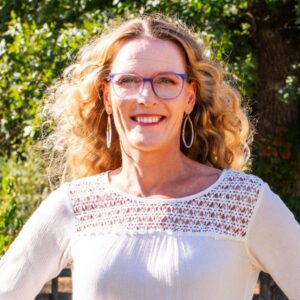
Meet Angela
Angela Balboa, NBC-HWC, FMCHC, Certified Re:CODE 2.0 Health Coach
Angela Balboa is the owner/ founder of Big Life Wellness and Asulon Retreat Center outside of Houston, TX. She is a NBC-HWC, Certified Functional Medicine Health Coach, Certified Trauma Informed Practitioner, Certified End of Life Doula, ReCode Certified Cognitive Health Coach and Certified Psychedelic Preparation and Integration coach. After experiencing severe burnout in an intense 20-year executive career and navigating personal family crisis, she witnessed the profound life-changing experiences that are possible with plant medicines. She purposefully realigned her life and career to focus on supporting clients through transforming their lives and health, end of life support and creating a private retreat space for healing body and mind. Angela is deeply passionate about supporting clients in reconnecting with their intuition and body awareness to create lasting shifts in perspective and behavior change. Additionally, she is an avid lifelong learner with training in sound healing, reiki and traditional shamanism. She is a strong advocate for veterans’ access to alternative healing. She and her family live on a 11-acre farm with their 4 cats, 2 donkeys, chickens and dog Tucker.
Connect
Transcript
Natalie: Hello, everyone. My name is Natalie. I’m on the marketing team with FMCA, and today I’m very excited to be speaking with Angela Balboa. She graduated with the March 2020 FMCA class. She is the founder of Big Life Wellness and Asulon Retreat Center outside of Houston, Texas. She’s a functional medicine certified health coach and has additional training in trauma, cognitive health, end of life care and psychedelic integration, and she works as a ReCODE-certified cognitive health coach. Welcome, Angela. Thank you for being here today.
Angela: Thank you for having me. I’m excited to be here.
Natalie: Awesome. So, I would love to first hear about what you were doing before you became a student at FMCA.
Angela: Yeah. Well, I started a career actually for a short time as a nutritionist and then I went into the corporate wine industry. And I had a 20-year executive career in the wine industry. At the final stage, I was vice president of our national account business, managing everything to do with on-premise business for the for the entire country. So, yeah, very different.
Natalie: Very different. Yeah. So, then what brought you to functional medicine and then ultimately health coaching?
Angela: Yeah. So, what brought me to functional medicine as an individual, like many people in around 2012, I had a personal health issue that was not easily diagnosable. It was not something that you could just get a pill for. And I had been a very healthy person my whole life. I had been a collegiate athlete. I was very active. So, it was really devastating. And I bounced around all over the place getting prescriptions, and this is nuts and ultimately being told that I was crazy.
And I stumbled into a functional medicine doctor who really partnered with me to figure out what was going on and to help me to heal myself. And that was just a huge shift. I had never been treated that way by a doctor. I had never been listened to for the innate wisdom that I have about my own body and partnered with in that way. I mean, walking into an office and getting a two-hour appointment where the doctor is actually engaged with you was just mind blowing. So, that was for me the opening, and I’ve never looked back.
Natalie: Well, yeah, it is so deeply personal the way almost everyone, I think everyone, if not almost, comes to health coaching and to functional medicine. It is such a mind shift when you go to the doctor and they actually listen to you.
Angela: Absolutely.
Natalie: And after going through FMCA, how are you using your health coaching certification and making an impact on the health and wellness of your clients and your community in the same way that that experience made an impact on you?
Angela: Yeah, well, so back up a little bit. During COVID that corporate train, we had a big break, right, all of us. And during that time, my father was also diagnosed with Alzheimer’s. We had a child that passed away. We had a number of things, and it became really clear to me that I no longer wanted to do what I was doing. I wanted to be at service. I wanted to do something more meaningful with the time I had left in the career that I had. And so I switched into… I went back to FMCA and supported my family, which was amazing. And I decided to start my own business.
And what I really wanted to focus on was, first of all, functional medicine health coaching because so often it’s not that the knowledge isn’t there. It’s how do I execute it and how do I have a partner to help me get there, you know, and to create those steps and to really listen to me and meet me where I’m at. And then I also wanted to specifically work with Alzheimer’s patients, Dr. Dale Bredesen’s ReCODE program, because like many diseases, it is a terrifying diagnosis and you’re often told traditionally there’s nothing you can do. And we see that that’s really not true.
So, you know, my clients come in and they’re usually pretty traumatized. And the care partner is as well and they’re scared. And it’s just amazing to be able to say, yes, there is something we can do and let’s get to work together and just to see what giving people hope does and watching them make those changes and have improvements.
And then the last part, which is maybe a little different, but I also work with psychedelic medicines in preparation and integration. And I have a lot of clients that I work with with microdosing. There’s a lot more coming out about this now. There’s a lot of trials. There’s things happening nationally. It’s being trialed in the VA. But those medicines, especially psilocybin microdosing, can be amazing for behavior change. So, what I’m seeing is just really amazing results with my clients and sort of shifts in perspective. And also that neuroplasticity window allows them to really make changes to behavior that might otherwise be a little bit more difficult because it’s so deeply ingrained.
And then that leads into the skills also with the end of life work. And I do a lot of hospice volunteering. I think those skills of really deep listening and just partnership in being present with another person, which are so emphasized and we work so much on in our coaching training, those are really great skills to come into the foundation with working with end of life and terminal care patients. So, that’s a little bit about what I’m doing.
Natalie: That’s amazing. It’s a beautiful jump that you made realizing I want to go more to purpose driven work where I’m actually seeing the difference that I’m making in people’s lives. And such a personally driven journey, too, is really special. And so I love the way you talked about when you’re working as a coach, you’re really listening. And so that brings us back into your time and your experience as an FMCA student. And what did you enjoy most about the program as you learned how to be a health coach?
Angela: Yeah, I really… Well, I love the people, first of all. Every cohort is wonderful, I’m sure, but I really enjoyed meeting these people. And we were going through such an interesting time in the world, right? We were the cohort of March 2020. Literally COVID started as we started. And so it was really a deep bond, and I loved that. I love the people. I loved the information because we are really taught the skill of deep listening and really meeting people where they’re at and active listening and reflecting and being such a mirror, a communicator to help other people. And that applies to our own relationships, our families, our friends, whatnot. So, for me, especially after all those years in a really intense corporate career, it was just such a breath of fresh air to really learn deep, deep skills in that area and how it really enriched my life in so many ways, not just within my coaching practice.
Natalie: And so how did FMCA prepare you to be a successful health coach? You mentioned the art of deep listening and that component. Are there any other tools or parts of the education that really prepared you?
Angela: Yeah, there’s a lot of it. I think the coaching skills, the listening, all of those things, the reflections, the affirmations was really the most tangible skills. I had a background in nutrition, so some of the material wasn’t as new to me. But also just deeper understanding of the root of functional medicine and how we can work together within that triad of doctor and patient and coach was really helpful. Yeah, yeah. There’s so many things.
Natalie: Yeah, there really is. You can’t combine it all into one little statement when I ask you. So, you mentioned how you were able to have support of your family and then launch your own business. What fears or barriers were there in actually starting your own health coaching career and how did you overcome this? A lot of students coming to FMCA have a lot of apprehension around the idea of building their own business. So, how did you overcome that?
Angela: Yeah, I certainly did. I mean, I think the fear is the barrier for most people. So, really digging underneath that fear, is there truth to that? Is it really just maybe conditioning that we’re taught to think we can’t change lanes or whatever that is? Yeah. So, for me, it was really exploring that fear and if there was real truth to it.
And then like I said, that particular timing, it was such an opportunity for soul searching for many of us. For me, it was just so clear that it didn’t feel like I had another option. I was ready, and that was what I really needed to do. And then have a plan, you know, having a good plan for transition, having a financial plan, having a business plan, having some really great support. FMCA offers so many really great resources for that as well. And networking with your fellow alumni because many of us have started our own businesses or are doing different things that you don’t even know are opportunities out there.
So, there are so many resources to overcome that fear and come up with a good plan. But I think if it calls to you and there’s something in your heart that is really there to do this kind of work, don’t hold back. The world needs skilled helping professionals. AI and technology and all these things are not going to replace that human-to-human touch. So, I think it is needed now more than ever.
Natalie: That is 100% correct. And I think when you know, you know, and that’s all you need to really push through and you’ll find your way. But that, of course, as you said, doesn’t come without the support of alumni. And so, at FMCA, we do say that you’re an FMCA graduate for life. And what does this ongoing alumni connection and support look like to you even beyond just the initial stages of building your business?
Angela: Yeah, the… Well, again, the connections, the networking. I’ve had a lot of support throughout my career building my business from other alumni that are farther down the path from me. And then the resources. For example, I just did the course that was offered to alumni on reading labs, and it was great. Really helpful in my practice. There’s just so many really great resources that FMCA continues to offer. Just new insights. If you’re following the podcast and the different things, there is just so much information and so many different ways to potentially model your business if you’re absorbing all of that.
Natalie: Great, thank you. And what would you say to someone who is considering embarking on the journey to becoming a functional medicine certified health coach?
Angela: I would say, again, if it’s in your heart, absolutely do it 100%. You will be successful. Like I said, I think it is needed now more than ever. And if it is something that you feel passionate about, I would just absolutely encourage you to make it happen.
Natalie: Yeah, so you say that so eloquently and beautifully. Thank you so much for for spending the time and speaking with me today. Is there anything else that you would like to add or any words of wisdom or advice?
Angela: Yeah, you know, the one thing I would add, I will say I feel like adding the skill of trauma informed care is really, really helpful as a health coach, because so many people are coming into your business or finding you because of a traumatic experience. And to be able to recognize that and recognize the nervous system and to be able to support that person in that way, I think is really, really a great additional skill to have.
Natalie: Great. Thank you. Thank you so much, Angela. This has been wonderful.
Angela: It was. Thank you for having me.
Our Latest Blogs
-
Celebrating 200 Episodes of Health Coach Talk: Our Top 10 Favorite Conversations
Read Full Article: Celebrating 200 Episodes of Health Coach Talk: Our Top 10 Favorite Conversations -
Labs, Supplements, and Legal Liability: Where Coaching Ends and Practicing Medicine Begins
Read Full Article: Labs, Supplements, and Legal Liability: Where Coaching Ends and Practicing Medicine Begins -
From College Student to Functional Health Coach: Maria Falcon, FMCHC
Read Full Article: From College Student to Functional Health Coach: Maria Falcon, FMCHC
