

On Friday, November 7th, FMCA hosted a special Ask the Expert webinar with Alisa Vitti, researcher, bestselling author of WomanCode and In the Flo, and founder of Flo Living. A pioneer in women’s hormonal health and femtech, Alisa uncovered the Infradian Rhythm and created the Cycle Syncing® Method, now a global movement with over 5 million women embracing a cyclical approach to nutrition, exercise, and productivity.
In this conversation, Dr. Sandi and Alisa explored how understanding the female cycle can transform the way health coaches support women, helping clients align lifestyle, nutrition, and self-care with their natural hormonal patterns. They also discussed how to integrate cycle-awareness into coaching conversations to help women work with their bodies, not against them.
In this webinar replay, you will learn:
- How hormonal shifts across the menstrual cycle influence metabolism, mood, energy, and motivation
- The foundations of the Cycle Syncing® Method and practical ways to support clients through each phase
- How health coaches can empower women to tune into their bodies and advocate for hormonal health
- Why understanding the female cycle is essential for personalized, functional, and effective coaching
Watch the Replay
Cycle Syncing and Coaching: Understanding the Female Hormonal Rhythm, With Alisa Vitti, Founder of Flo Living:
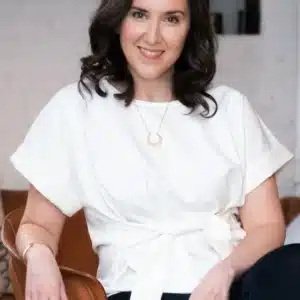
While attending Johns Hopkins, Flo Living Founder Alisa Vitti was diagnosed with PCOS. Her doctor painted a grim picture of her future and offered birth control as the only solution. Not willing to accept this as the only option, Alisa went on a quest to find alternative ways to heal. Through this journey, she’s become a thought leader for women’s hormonal health, a pioneer in femmetech, a US patent holder for her tech, and an advocate for gender equality in nutrition research.
As a researcher and author, Vitti has published 2 best-selling books—WomanCode and In the Flo. She uncovered the Infradian Rhythm and created The Cycle Syncing® Method which became a viral wellness movement on social with 5 million #cyclesyncing.
She’s spoken on every stage from TED to SXSW and has been featured everywhere from the NYTimes to Forbes to Vogue, as well as hundreds of podcasts.
Alisa founded Flo Living in 2001 as one of the first femtech entrepreneurs. The next-gen hormone care platform has gone on to help tens of thousands of women get to the root cause of their symptoms with its personalized programs, supplements, and a top-ranked hormone care app.
Today, she is focused on shifting the culturall conversation around hormone care and gender inequality in research and biohacking—leading the way to a better future for women’s health.
Connect
Transcript
Dr. Sandi: So, I want to introduce our special speaker today. She is Alisa Vitti, and I’m going to turn it over to her, let her tell you who she is. And she is going to be presenting on a topic that I know we have tremendous interest in, and that is our cycles or your cycles. It’s been many years since I had any cycles. And talking to you about this real hot topic of cycle syncing. So, take it away, Alisa. There will be an opportunity to ask questions, and you can use the Q&A for those questions. And I just want to say a quick reminder that this is for educational purposes only, that nothing that we discuss is going to be your personal health recommendation. Always go to your own provider for that.
Alisa: Thank you, Sandra, so much for having me. And hello, FMCA community. I’m so happy to be here. I’m going to start sharing my screen. I will tell you who I am in the process, but I kind of just want to dive in right away because we have so much to cover. I’m going to be talking to you today about this methodology that I created, which is now clinically validated—and I’ll tell you a little bit more about the study in a moment—called the Cycle Syncing Method.
And the purpose of this method is to help us align with our biological rhythms, our hormonal patterns, to really optimize our cycle health, boost our fertility, and slow down hormonal aging. I’m going to share kind of essential, groundbreaking research that’s just come out in the past two weeks about the ovary, which further makes it required that we have this approach to taking care of our health, our hormones, our ovaries.
Let me start with kind of the current situation, which is there are a lot of women suffering from what I will call unnecessary hormonal problems. It’s a staggering amount of women just dealing with PMS. Eighty percent of the female population struggles with PMS. Now, we joke about that culturally, and we say, “Well, that’s just part of being a woman.” And in fact, there was an important study done in 2015 called the BioCycle Study, which showed that PMS, untreated in the reproductive years, actually doubles the rate of the big four diseases of inflammation postmenopausally. We’re talking heart disease, diabetes, cancer, and dementia.
So, there are some really interesting links to our progesterone levels, our ovulation regularity, our degree of inflammation, micronutrient deficiency that all create PMS that link into the future state of our health and affect us throughout our lifespan and impact our health span. How do we know this? Well, there was another study done about six months ago that came out, and this is historic. For the first time in all of human history, women are going through perimenopause earlier. Now, I know a lot of you have been following the trend that younger girls and boys are going through puberty earlier, but now we’re seeing it on the bookended side, where women are going through perimenopause earlier.
What does this mean? This means that fundamentally, our diet and our lifestyle are so incompatible with our endocrine system, with our ovarian function, that the ovary, which is the first organ to age in the body, is now aging at the fastest rate we’ve ever seen. And women are having much more dysregulation in midlife than they should. And then on top of that, we have a sort of one-size-pill-fits-all solution, which is frustrating for women because the pill doesn’t fix your hormones. And it’s just frustrating because during your reproductive years, this is an opportunity where if you became aware of what to do and proactive about how to care for your hormones, you could actually produce more of your own endogenous hormones for longer and ovulate more so that you get the benefits short-term of all that cardio, neuro, and osteoprotection during your reproductive years but bank that also for your postmenopausal years.
And finally, to top it all off—I always put things in threes—the three problems that we’re facing, I think we have this unaddressed gender bias in medical, fitness, and nutrition research. I’ve spent the past month traveling the country, going to women’s health conferences. It’s women’s health conference season and femtech conferences. And the subject of the lack of funding for research is a real critical problem. And because of that, we’re not really fully able to give ourselves the kind of care that we need.
So, these are the problems that keep me up at night and have guided me throughout my career, which has been spanning the past 25 years. And who am I, and why am I talking to you today? Well, I have been someone who’s been in the conversation of women’s health since 2002 as a functional nutrition and women’s hormone expert. I am the first femtech founder in the United States. I launched FLO Living in 2012 before femtech was a word. I hold a patent for the MyFLO app, which is the only official cycle syncing app. And it is also the only period improvement app where you can go in and learn about what your symptoms mean from a functional perspective and figure out what to do from a holistic and nutritional perspective to improve your cycle month over month.
I formulate supplements, and I’ve written two bestselling books that you can see here called “WomanCode” and “In the FLO.” And now I’m very proud to add that I am a hormone health researcher because we just conducted our first study. So, let me take you into that. This is a little bit about the platform and how we help women. floliving.com is sort of… Think of it as your ultimate hormonal self-care operating system where you can come in and learn about what your conditions and symptoms mean, get the support and guidance that you need through our digital therapeutics, and get supplements if that is indicated.
Cycle Syncing, which I created after doing a deep dive of research into the female infradian rhythm, which we’re going to learn a little bit more about today, has really gone global and viral since the book’s publication in 2020. And we had a tremendous amount of anecdotal data showing its efficacy in terms of helping women reduce symptom burden and symptom severity with their PMS and more. And I was really fortunate enough to actually put together research.
The reason why research isn’t being done on women… Yes, we’re often left out with the excuse that our menstrual cycle hormonal patterns are “too complicated” to factor into research but really what it comes down to is money. And so I was very fortunate enough to find a workaround to this money problem because there was no institutional funding or government funding to be had for looking at dietary and lifestyle interventions for PMS.
So, I was able to pull this study together myself, invested a little capital in it, and also had some partnerships with some other biometric device companies that donated CGMs and hormone urinalysis devices for us to look at things. And we were really excited to be able to take the Cycle Syncing Method out of the anecdotal conversation and into clinical evaluation. And we wanted to know a couple of things, which you can read about here. But fundamentally, we just wanted to know, can we put some metrics behind how this is helping women if we look at its impact? This dietary and lifestyle intervention, what is its impact on blood sugar? What is its impact on progesterone levels, on ovulation? How long does it take for the Cycle Syncing Method to work?
And I’m really happy to share, preliminarily speaking, we just locked the data about a month ago. So, I should be getting the report back from the research lab in short order. But two months into the three-month study, we had enormous results for women. So, 80% of the participants saw a 75% reduction of the number of PMS symptoms and the severity of them by the end of the first month, and then everything just sort of getting better and better month over month.
So, we’ll be publishing a paper in short order… A white paper first. Then also, we’ll be looking to publish in a clinical journal as soon as we can. And I’m really excited because we now have clinical validation for something that oftentimes gets relegated to the, “Oh, well, it’s holistic, and so it can’t be measured. And is it really efficacious?” But we have the data to show that the work that we do in the holistic and functional health space is really effective.
And here we have a new methodology, the Cycle Syncing Methodology, that could be a novel, first-line treatment for women when they come to the gynecologist complaining about a myriad of symptoms around their cycle. Instead of throwing everyone on birth control, which suppresses their hormones, we could consider having providers educate patients about cycle syncing, directing them to the app, and having women give themselves a chance to start interacting with their bodies, changing their dietary and lifestyle inputs, and seeing how quickly their body responds to positive dietary and lifestyle inputs when it comes to their hormones.
So, how does this all work? Now that I’ve fully nerded out on the study and all of that, how does it all work? Well, Cycle Syncing was born out of this distinction that I uncovered in my research, which is that women have two biological clocks. We have a circadian clock, which we know governs our sleep-wake cycles but so much more. It’s very simplistic to say that the circadian rhythm only governs your sleep-wake cycle. I mean, it is the orchestral director of the timing of everything.
For example, my favorite example to use is it’s so wonderful that your circadian rhythm suppresses bowel activity during deep REM sleep. Because can you imagine you’re trying to get your good quality sleep, and all of a sudden, you have to have a bowel movement at 2:47 a.m.? I mean, this would be very disruptive. And so it is much more than just when you’re awake and when you’re asleep. It is really about the timing of a lot of different functions of the body.
The infradian rhythm is the rhythm that governs the menstrual cycle, but it is also too simplistic to say that it’s just governing ovulation and menstruation. As I dug into this, what we found is that the infradian rhythm really affects major systems of the body—your brain, your immune system, your metabolic rate is changing throughout the menstrual cycle, your microbiome, your stress response. It’s all impacted.
And I’ll dig into this in a minute, but just to compare and contrast between men and women, men have a 24-hour circadian hormonal pattern when it comes to testosterone. So, this is kind of what it looks like for them during the day. And every day is the same, which is why when we get all of this media-based wellness recommendations, it’s often based on a 24-hour clock, which fundamentally will dysregulate a woman’s hormones. Because if you do the same diet, the same lifestyle activities, the same fitness day in and day out during your reproductive years, when the infradian rhythm is active, you will end up dysregulating your cycle. Why? Because we’re not the same day in and day out. The first half of your cycle, you have distinctly different patterns. You have lower resting cortisol. You have a slightly slower metabolic rate. You have different regions of the brain that are being stimulated by rising estrogen compared to the second half, which I’m talking luteal and menstrual. We have higher resting cortisol. We have the existence of progesterone, which doesn’t exist at all in the first half of the cycle. Our metabolism speeds up. We have different regions of the brain that are being stimulated. And the idea that we would do the same self-care while these hormonal patterns are shifting does not logically make sense at all and is one of the key underlying root causes of why women are struggling more. Because this is sort of the question I had asked myself years ago before I started writing the book, which is, how is it that more women are having hormonal dysregulation compared to men? What are we overlooking? What are we missing if we understand how the endocrine system works? What are we missing? And what we’re missing is the fact that we are not the same day in and day out.
And when you ignore this infradian rhythm, we have dysregulated cortisol, dysregulated blood sugar, decreased progesterone levels, and certainly an increase in negative symptoms across the cycle. But that’s just, let’s say, within the 30-day or one-cycle perspective. When you do this month over month, year over year, now we’re talking about chronic levels of inflammaging of the ovary, increased rates of decline in progesterone levels, which hasten the onset of perimenopause and increase the symptom turbulence that you experience as you go through that midlife transition. So, there’s a huge value in women starting to understand that they have distinct hormonal patterns that take place over the month and that you’ve got to support them.
So, what does that look like? How do we do it? How do we support this infradian rhythm? That’s how I ended up creating the Cycle Syncing Method. And the inspiration, of course, was looking at good circadian rhythm support practices, where we have a pattern of eating and moving and sleeping that align with the circadian rhythm. I said, so how are we going to support the infradian rhythm? Well, I wanted there to be some basic pillars around diet to address this metabolic rate change and hormonal pattern change, and then also the fitness type and intensity to address the cortisol pattern changes. And then our sort of productivity focus to leverage and work with the different brain regions that are being stimulated.
So, let’s dive in a little bit more. And I’m going to try to go as fast as I can so I can get to a lot of your questions, which is that we look at the nutritional needs of a menstruating woman in a cyclical way. So, what do we need to achieve over the course of the month with food? Well, we need to address the metabolic rate change first and foremost. That means in the follicular and ovulatory phases, relative to that individual, she can have about 280 fewer calories per day. She can also do slightly extended fasting, meaning a normal golden fast, a 12-hour fast between dinner and breakfast, during the first half of her cycle if she’s so inclined and she’s not working out in the morning first thing, which we’ll talk about fasted workouts in a moment. She could go 13, 14 hours max in the first half of her cycle.
But in the second half of her cycle, the metabolism speeds up. Why does the metabolism speed up in the second half of the cycle, you ask? Great question. Because we are 3D printing an organelle in the second half of the cycle, the endometrium. Out of the micronutrients that you consume, your body has to manufacture this tissue into the fertile void of your uterus. It is poetic and beautiful. And don’t get me started. I love your period and the female reproductive system more than anybody on the planet. And so I will tend to wax poetic about it. But nonetheless, it is a micronutrient-heavy required period of time. And so we have to eat more to stabilize blood sugar and to facilitate this endometrial creation.
So, studies show you need about 280 more calories per day relative to yourself. And so this is why if we’re not proactively feeding the faster metabolism, women are tremendously vulnerable during the luteal phase to cravings and binge eating and more restriction in the earlier parts of the day and then overconsumption in later parts of the day. And this might be something that you could get away with possibly in your 20s. But then as you move into midlife after 35, this overconsumption of carbohydrates, just because we don’t understand and appreciate the nuances around our metabolic rate change in the luteal phase, turns into an increase in night sweats and hot flashes because of that overexposure to carbohydrates in the later part of the day when the body can’t use it for muscular fuel. So, we want to work strategically with what’s happening. That’s just on a caloric intake.
Then we also need to think about the fact that we are making different hormones and requiring different rates of hormone metabolism or breakdown at different parts of the cycle. So, for example, during ovulation, you’ll see here that we have a sharp peak in estrogen. In fact, it’s the biggest surge of estrogen you’ll have at any point in the cycle over the shortest amount of time. But the liver needs extra support to break down that estrogen. And most women have a lot of compromised ability to go through the phases of detoxification in the liver. And then they have gut dysregulation, low levels of their estrobolome function, constipation or IBS, further compromising their ability to break down estrogen in the liver, package it up in the large intestine, and excrete it through the bowel movements on a daily basis.
When we don’t have that happening and we’re not supporting that dietarily, women will experience a lot of discomfort in the ovulatory phase. They’ll have breakouts. They’ll have breast tenderness. They’ll have cramping, ovulation pain, bloating, irritability, all of which are signs of estrogen overload, which must be addressed dietarily. And so we also looked at, or I also looked at, how can we use food strategically to support what is unique about the hormonal ratios in each phase? So, ovulation is a hot one because there’s all that estrogen. We need to really use raw foods and things to help the body break that down more quickly and bulk up the large intestine with fiber to get things moving, improve transit time.
In the luteal phase, again, we need to be eating more slow-burning carbohydrates to offset that blood sugar vulnerability that we have. Eat more frequently, eat slower-burning carbohydrates, and use fiber for sure to help with the decrease in transit time that progesterone adds to the mix. The more progesterone we have in our system, the slower the bowels move. And so we want to keep things moving. And then, of course, we’re also using foods during this phase of the cycle to help the body build progesterone.
So, those are just two of the examples. There’s a very famous chart in Chapter 4 of In the FLO. It’s also in the MyFLO app, which you are all welcome to download for free, where we’re using different types of foods in each phase of the cycle to accomplish what we’re just talking about. And it’s really powerful, especially walking these 50 women through the study and seeing them go through this journey. The food piece is an enormous assist when it comes to reducing PMS symptom burden and severity, just really helping the body address what is happening in real time with estrogen, with progesterone, makes a huge, huge difference.
So, then we look at the adrenal patterns, which I looked at to say, “Well, what would be necessary from an adjustment perspective if we’re going to move away from this male 24-hour, day in and day out, do the same routine kind of lifestyle? What does the cycle dictate when it comes to how we should be exercising?” And I really leaned into the cortisol patterns to suggest what we should be doing. It’s pretty straightforward.
When resting cortisol is lower in the first half of your cycle, you can do a lot more of the cardio and the HIIT workouts that every woman is pretty conditioned to think should be her standard diet, so to speak, of fitness on a day-to-day basis. But the research shows that in the luteal phase, once we cross over that ovulatory threshold, because the metabolism and resting cortisol both increase, then we actually want to back away from this high-intensity training because it turns out that it actually turns on fat storage and muscle wasting, which is completely contraindicated to what we would like to see happen at any point of the cycle. We always want to be building muscle, and we always want to be burning fat as fuel. But because of our hormonal pattern in that luteal phase, if we do too much high-intensity training, that actually can be working against us.
Now, you can train with weights. And I lift heavy pretty much every day of my cycle, with the exception of the last couple of days of my luteal phase and the first day or two of my bleed. I still lift, but I tone it down quite a bit. But heavy lifting is great for you every day of the cycle, but when it comes to cardio in the second half, really keep it to zone two or lower steady-state cardio if you can.
I’m going to go quickly through the brain function piece just so you can get a sense of kind of what’s happening and what brain regions are being stimulated. So, again, I’ll focus in a little bit on ovulatory and luteal just to highlight how much fun it is to have cycle hormones. I mean, people are always like, “Oh, well, ovulation must be the best time.” And it’s a good time, no question, but so short. And I always trust that nature has a reason for doing things. The luteal phase is the longest phase of the cycle. It’s 10 to 12 days. Ovulation’s 48 hours, technically speaking where the egg is viable. There’s a halo effect of your ovulatory phase, but really we’re talking about a very short period of time.
The luteal phase is truly my favorite phase, truly, because we have the presence of progesterone. Progesterone’s my favorite hormone. If anybody’s been pregnant or if anybody’s gone through perimenopause, you understand how precious and wonderful progesterone is. Now, my story, of course, is that I got into all of this and being the world’s greatest menstruation fanatic that you could find because I didn’t menstruate for 10 years from the age of 12 to 22. I did not get to menstruate or ovulate or have periods. It was a nightmare. Nobody knew what was wrong with me. I was trapped in a body that was sort of young but also had very similar symptoms to someone who was going through kind of a very turbulent menopausal journey. I was 210 pounds. I was covered face, chest, and back in painful cystic acne. And I went seven years before I got a diagnosis for PCOS (also known as Polyendocrine Metabolic Ovarian Syndrome or PMOS). This was 30 years ago, right? I am 49 now, in case you were curious.
And I really appreciate my progesterone because I lived without it at an age where you should be able to take it for granted. And I do not take any of my cycle phases or any part of my cycle for granted because it’s not a guaranteed thing. And in fact, I would say ovaries are having a harder and harder time out there, whether you have PCOS (PMOS) or not. Women are really struggling under the burden of xenoestrogenic substances, toxic chemicals in their food, blue light, and all of these other things to just have a normal cycle.
So, yes, my story is extreme, but it’s also one of the reasons why to this day, if you ask me which phase of the cycle is my favorite, it’s always the luteal because progesterone has this amazing effect on your brain chemistry. It’s calming, it’s focusing, it’s grounding, it helps you sleep. It is just something where you can get things done. And I just really love that our cycle and mother nature or whatever powers that be want us to be maximally productive in this particular way, in that deep work kind of way every month, 10 to 12 days out of the month. So, whereas the follicular and the ovulatory side of the cycle is more of the outward, the giving, the nurturing, the social… The verbal and social centers of the brain are hyperstimulated during the ovulatory phase. And so we feel all those things.
But as women, I think there is a healing to be had when we look at the cycle and the brain impacts of these different hormone ratios, that nature actually does want us to give to the projects that we care about more than it wants us to be the nurturing sort of martyr to everyone else. And I love that aligning with our cycle phase patterns as a practice can be a healing from, let’s say, a cultural narrative that says you have to give and give and give to others and never to yourself, which is so important because as women, we have to really start to practice self-care in a way that I don’t think we’re doing an adequate job of, which obviously is showing up in our cycle health and our fertility and in this early-onset perimenopause.
So, there’s ways for you. I came up with this acronym of POWER in each of these phases to align with these different brain regions that are being stimulated in different ways. So, in the follicular phase, you can be planning more. In the ovulation phase, you can be out with others more. In the luteal phase, you can be doing your deep work with yourself. And then in the menstrual phase, because of what’s happening with the two regions of the brain, you can be reflecting and analyzing how this month went in different areas of your life and start to think about what might need a change.
And of course, the whole purpose of all of this when you’re cycle syncing, if you are supporting your blood sugar levels throughout the cycle more strategically, if you’re supporting the metabolism of estrogen and the production of progesterone with food more intentionally throughout the cycle, if you are reducing your stress load on the body by aligning your fitness with the different phases of your cycle, and you are, to whatever degree is reasonable, playing to these hormonal strengths that you have from a brain chemistry perspective, what you get to experience is a peak flow state more frequently, right? And you also get to have less hormone and cycle dysregulation, which benefits you in the short term where you’ll experience that with less PMS today, this cycle and next cycle and so on. But you’ll also be protecting your ovulation for longer, producing your own endogenous hormones for longer, and slowing down the rate of ovarian aging.
A quick question, because I know people are asking about this, which is like, “What if you’re on the pill?” Now, the sad reality is the pill shuts off endogenous hormone production, full stop. You are not ovulating, you are not menstruating at all. You may have occasional breakthrough bleeding, which eventually will stop as the body begins to stop producing the endometrium.
But your infradian rhythm is kind of held in a state of suspended animation. You have none of the benefits of your dynamic hormonal pattern. And one of the things I’m doing research for my next book, a lot on the mitochondria, and one of the things I think that is a glaring omission in research, we know that the pill depletes our micronutrient stores like vitamin D3, etc. We know it disrupts the gut microbiome. We know that it has negative impacts on weight and muscle. We know that it destabilizes mood to such a degree that women end up having to onboard with SSRIs often when they go on synthetic oral contraception.
But we should also be looking at what is the impact of this medication on the ovarian mitochondria? What is it doing? How much inflammation does this medication cause? Because there is just such an interesting correlation between the fact that we are now presenting with more women in early-stage perimenopause than ever before, and we’re at a place where there’s just so much prescription of this medication taking place. There’s a little smoke there. I’d love to have someone dig into the research to see if there’s anything going on.
Benefits of Cycle Syncing from a, let’s say, life-stage perspective, from a menstruation perspective, it’s really powerful just to help with all-cause PMS and mood and energy, and it really can help be a preventative when it comes to other endocrine disruption, right? Because we’re talking about supporting the body the way that it functions, and that is always a very good thing to prevent other disease states from taking root in the body.
Then from a perspective of getting pregnant, Cycle Syncing long-term really supports regular ovulation and progesterone production, keeps cortisol and inflammation low, has a very, very helpful tool for women who are thinking about using artificial reproductive technology. If you have to go down that road, then the goal should be what I like to say, one and done. If you’re going to do it, do it one time and make sure that it works the first time around. Women are having to do multiple rounds because their ovaries are so taxed. The endocrine system is so undernourished. Their AMH levels are in the basement, and so no amount of synthetic hormone stimulation through ART is necessarily going to be the solution. We need to be feeding the female ecosystem because the ovaries are listening, and this is what I wanted to talk about before, this new research. This is like 100 years of ovarian science has just been upended, in fact. It’s the biggest news in my world in a long time.
And what researchers have discovered is that there are three new structures on the ovary that they have never understood or even seen before. There are now glial cells. We have glial cells in the brain, we also now have them on the ovary. There are synaptic nerves on the ovary that are responding to stress. And there are these microtubules in the ovary, which are called rete ovarii, that are translating the interstitial fluid of the body around the ovary, reading it, scanning it for micronutrient levels, inflammation markers, and more. They’re still figuring out exactly what they’re able to process, and then communicating that back into the ovary, which then has the ovary either being promoting of ovulation and healthy AMH levels and all of that, or throttling that down, right? And saying, “Well, the ovary becomes more and more inflamed and stressed.”
What does this mean? This just means at a high level that women must—absolutely, it is non-negotiable—if you want to have a healthy cycle, healthy hormones, healthy ovarian function, you have to eat in a very proactive, specific, female-oriented way that matches your biology, period, all the puns intended. Because if not, the ovary is paying attention to your dietary and lifestyle inputs, and it will respond based on what it’s picking up.
Obviously, I’ve said this before, perimenopause benefits. I’m the person who’s been cycle syncing the longest on the planet at the moment, and reporting from the front lines at 49, that is, I’m sailing through perimenopause. And I like to say that not from like a, “Oh, look at me more,” but just this is what’s possible. Because I’ve been taking care of my hormones and my ovaries and my cycle for as long as I had was able to get it back at 22 and to be its precious gift, here I am, not having any symptoms, still cycling regularly, not on any HRT. I’ve done nothing to my face. I do color my hair. That’s it. And that’s it, right? And everything else is working as it should.
So, there’s so much available to us as women if we align with our biological patterns and work with them is really the goal of what I wanted to share with you today. A couple of tools and resources for you to make this easier. Please download the MyFLO app. If you want to get started on Cycle Syncing, everything is in there from recipes and workout videos and monthly classes with me. You are all welcome to do that. You can even get a month free access to the Cycle Syncing feature in the app with the code FMCAFLOW. If you need supplements, we have supplements for different conditions. But key takeaways for you who are working with people in your practices, a couple of things that I think are important. No intermittent fasting for menstruating women, right? And no fasted workouts, okay?
We can’t do this intermittent fasting until we are post-menopausal. That’s really when the studies show that the benefits are absolutely on par with those conferred to male subjects in the same studies. But during the reproductive years, restricting calories leads to cycle dysregulation, ovulation dysregulation, progesterone underproduction. We do not want any of that. We want to protect the cyclical hormones, protect the ovary, and help that work as long as possible.
Remember to modulate caloric intake across the cycle to really promote blood glucose stability. Think about intense cardio only in the follicular and ovulatory phases. Heavy strength training throughout the cycle is great. Remind the people that you’re working with that PMS is a flag for poor cycle health, and it needs a root cause support, not symptom management of pain relievers or acne creams or whatever. And if you have someone who’s very data-oriented, a CGM, a continuous glucose monitor, that can be a wonderful tool to get them to really look in the black-and-white kind of data world, whatever they dogmatically have been holding onto with their dietary and lifestyle patterns. Having them see the impact of those patterns on their blood sugar levels throughout their cycle phases will be—having taken many, many women through this—a huge motivator to start that behavior change process.
And so that’s some of the things that I wanted to talk about. You are all welcome to subscribe to my personal newsletter. You can find that on my Instagram account. And I always like to end with, you know, “You’ve got to let the form of your self-care follow the function of your biology.” You know, that’s really what functional medicine is all about. But for women especially, we are distinct, we are different, our hormones work differently. And we are designed to feel good all month long, and you deserve that, but you’ve got to use the right tools. So, I’m going to stop sharing now, and we’re going to open up to some questions. Hope I got through that all.
Dr. Sandi: Thank you for that wonderful, wonderful presentation. Yes, we have a number of questions. I’m going to go to the pre-submitted first and then we will go to the Q&A here. So, questions coming about menopausal, post-menopausal women who cannot tell what phase of cycle they’re in and also post hysterectomy.
Alisa: So, when you no longer have a cycle, right, when you’re post-menopausal, the infradian rhythm is, you know, suppressed, right? And so there’s no need to be cycle syncing in this sort of, let’s say, four phase pattern. You would revert back to a circadian-only lifestyle. And in fact, I mean, I’m very… There’s a lot to look forward to from a menopausal perspective. I think the hormonal patterns in the body that give us a sense of what we should be doing are our master regulating hormones of melatonin, oxytocin, nitric oxide, obviously, because we’re talking about supporting that circadian rhythm. We’re talking about pleasure, right? You can’t necessarily directly impact sex hormone production the way that you can directly impact, let’s say, nitric oxide production, oxytocin production. It’s such a powerful thing that we have in the body. Even melatonin production can be supported so directly.
And I think that’s the name of the game post-menopausally is how do you make more melatonin, how do you make more nitric oxide, right? And with exercise, with rest, with even more leafy green vegetables, how do you make more oxytocin through community, through doing things that are pleasurable to you? All of this boosts your health, your heart health, and everything else post-menopausally. So, I do think the body is always giving us, through our endocrine system, through our hormonal patterns, a model of how our self-care should look at different life stages. So, when you no longer have a cycle, you don’t have to do a cyclical self-care pattern, right? But yet you still have these circadian hormones, melatonin, oxytocin, nitric oxide to focus on, and that’s what we want to do post-menopausally.
Dr. Sandi: Sounds great. So, health coaches, how can they support people, maybe women not yet aware of the different phases of their cycle who feel maybe disconnected from their bodies, and maybe also how do they start these cycle-sinking conversations with people who maybe have irregular cycles or conditions like PCOS, endometriosis, etc.?
Alisa: So, let’s start with the first half of the question, which is sort of body awareness and cycle phase awareness. You’re absolutely right to know intuitively that most women feel very disconnected from their cycle phases because they don’t even know what they are. So, I think it’s always good to start with the basics. Say, listen, today we’re going to learn about your four cycle phases. Give them the vocabulary, show them a chart, and then have them download the MyFLO app. I built this to be a cycle literacy tool. It’s free. And you can have them start to do just a one-month assignment of just feeling the difference. There’s a different feeling in the follicular phase that you experience in the body versus the ovulatory phase versus the luteal.
And once you have a woman just with intentionality focusing on/observing the subtle differences in how she feels, it clicks. In fact, most women feel, once they start the Cycle Syncing Method, they’re like, I always felt these things, but I was trying not to because I was under the impression that I needed to feel the same every day. So, I was ignoring my body cues. This is really what’s going on for most women is that they’ve been conditioned to ignore the nuanced phase experience that they’re having. So, you just want to invite them to re-experience it, to connect the dots to the vocabulary. And then once they do that for one month, then you start to layer in, okay, now we’re going to work on the food or now we’re going to add in the fitness piece. Don’t do it all at once, do it step-by-step.
And then for women who have, let’s say, PCOS, that’s different versus, let’s say, endometriosis or fibroids. So, PCOS or hypothalamic amenorrhea also where there is no cycle regularity. This is not a place for you to start with Cycle Syncing as a supportive tool, right? First, you need to address the PCOS. You could go back to my first book, “WomanCode,” and focus in on the flow protocol that I described in there, which is what I use to put my PCOS into remission. We’re looking at supporting the basic functionality of the endocrine system to recalibrate its function so that the body can start ovulating again. You can’t just jump into Cycle Syncing if there’s no cycle.
For endometriosis and fibroids and ovarian cysts, Cycle Syncing can be an enormous support, reducing inflammation, supporting stress levels to prevent unnecessary pain, and to help with estrogen metabolism more strategically so that the body is not overloaded with estrogen that just keeps worsening the development of fibroids, the growth of endometrial tissue, etc. So, in those cases, it’s a great supportive tool.
Dr. Sandi: Sounds good. What about the dangers of stressing out or hyperfocusing on cycle syncing as opposed to empowerment, as in the ultimate goal, empowerment by engaging in this process and not freaking out and stressing out about it?
Alisa: I love that question because there are… I’ve worked with women for 25 years, and you always have people, clients, who we’ll call the orthorexic type. They want to get everything perfect. They want to do it right. And I always remind women that Cycle Syncing is a method, almost like a yoga practice, right? If anybody has a serious yoga practice, what is the goal of the yoga practice? Simply to show up at the mat. Going to be different every day. Doesn’t matter what happens once you get to the mat, but as long as you show up to the mat, all is well.
And the same thing is true with Cycle Syncing. The purpose of it is not to be dogmatic, “Oh, I can only eat what’s on the chart. Did I do it wrong? Which exact phase of the cycle am I in?” We’re talking about the fact that this is a cycle. This is not you walk across the plank of the follicular phase, and then you fall into the pool, and then you get back up and you walk across the plank of the ovulatory phase, and then you fall off. This is a cycle. Everything flows gently from one phase to the next. So, you don’t even have to perfectly align what you’re doing with each cycle phase. It’s okay if you have leftover food from the ovulatory phase and you’re eating that the first few days of the luteal phase. It all works out.
The idea is for you to just practice as best as you can, and the healing opportunity for these particular types of individuals who have that orthorexic tendency and behavior pattern is to heal from this perfectionist pressure that modern patriarchal culture has women feeling like we have to be perfect in order to be accepted. And also, I would just say that when we have been not able to be aware of the fact that we have a second biological clock and that we are distinct from men who are, let’s say, the same rinse and repeat every day, we have been trying to force ourselves to be good and perfect every day to meet the standard of what we think we should be, which is the same day in and day out.
And the idea that you can help someone relax into her feminine, dynamic, changing energy heals her emotionally and physically but also prepares her for the dynamic journey of a woman’s journey through her health span, because the hormones are going to change again in midlife and post-menopausally. And it’s all one big dance with dynamism, and a woman needs to get comfortable with relaxing into that. And I think this practice can be healing, not just on the physiological level but also on the psychological one as well. Makes a lot of sense.
Dr. Sandi: What about someone coming off of hormonal birth control? Any particular lifestyle or nutritional strategies that would be helpful?
Alisa: It’s so important when you are supporting someone who’s off-boarding synthetic contraception to support their micronutrient levels and their gut microbiome first and foremost. So, I actually formulated the Balance supplements that I offer at FLO Living because I was looking at, well, what are the key micronutrient deficiencies that we see post-exposure to this medication? And it’s really B vitamins, vitamin D3. There’s a lot of extra inflammation, so I like to onboard omega-3s. I like to do a lot with probiotics as well, some other anti-inflammatory polyphenols, things that just really help the body to send better messages to the ovaries that the inflammation is coming down, the micronutrients are going up, and it’s safe to start ovulating again. So, that’s the first thing.
Once the cycle reestablishes itself, which can take a few months depending on how long a person has been on that medication, assuming there is no underlying gynecological problem, then you can start with the Cycle Syncing Method. Often, unfortunately, because this medication is prescribed for things like PCOS and fibroids and endometriosis and all of that, the person may also then have those issues come back to the roost, as they say, and you’ve got to start supporting them with everything around those issues as well.
Dr. Sandi: All right. Well, let’s get to as many as we can of the questions that have come in today. The first one from Rebecca, can you talk about the use of HRT and how cycle-syncing plays a role as perimenopause and metaplast starts?
Alisa: HRT, the hot-button topic of all. I think I’m thrilled that we’re having the conversations around HRT that we’re having. Fundamentally, however, when we think about the orchestral elegance of what is taking place because of ovulation, HRT is a good tool. It’s just not nuanced enough for me. I want more for women. I think it’s a great tool to use, but here’s what I would like to see. In a perfect world, women would be producing endogenous hormones via their own ovarian function for much longer in their journey into their 50s, as we should. Nature’s designed all species to reproduce for the maximum amount of time, so we want to see women having healthy cycles for as long as possible.
I’ve had patients who’ve been still menstruating and ovulating regularly at 54, 55, and there’s no reason to have so much turbulence and irregularity in the cycle starting at 45. That’s just an indication of rapid ovarian aging. So, we want to improve that.
Then I would love to see… And these are being developed now. There’s a great company in Cambridge based out of, came out of Harvard called Oviva Therapeutics. They’re actually looking at recombinant AMH therapy to actually… So, AMH anti-Mullerian hormone, which impacts folliculogenesis in the ovary. They’re actually looking to basically use this therapy as a way to prolong ovarian function indefinitely. And essentially, there would be no need for HRT if the ovary is doing its job, and it would do obviously a perfect job of orchestrating all of the nuanced hormonal dance.
HRT is often just estradiol, which is good, but the body produces three different forms of estrogen, estradiol, estrone, and estriol. None of that is being factored in when we’re taking HRT. There are so many different deliveries. Some of them, depending on how the body converts estradiol into estrone, can create more inflammation for women. So, it’s not a perfect tool. There needs to be better testing.
Women should be getting a lot of testing when they’re on HRT. For example, you have to be looking at your FSH levels. Why? FSH, follicular stimulating hormone, rises as we go through perimenopause. In fact, that is the hormone that signals to the brain to stop ovulating when it is at a certain threshold. So, it can get very high in postmenopausal women who are not on HRT.
So, the way to know if that HRT, the estradiol that you’re taking, is actually having an effect on your body is to test that FSH level and see it come down lower than where you had started. But oftentimes you don’t even know where your FSH levels are because they’re not testing them, right? So, we have to do a better job, I think, of supporting women when it comes to HRT. And I would like us to be having a more nuanced conversation as opposed to just getting my HRT and everything’s going to be fine. Just like birth control is not a magic fix for all sorts of problems, HRT is also not a panacea. You still have to do the work of taking care of your diet and lifestyle inputs to make that HRT as effective as possible.
That was a great question, Rebecca. I had a lot to say. I could go on and on. That’s a whole other webinar.
Dr. Sandi: We are nearing to the end and I apologize we didn’t get to all these questions. They’re great questions. You will have the slides. Angela says, “If you don’t have PMS, should you still address things like nutrition?”
Alisa: Yeah, if you’re what I call a unicorn cycler, right, you’ve got no problems, you still absolutely need to be supporting your cyclical biology. So, yes, Cycle Syncing is for everyone who is menstruating. And if you’re going through perimenopause like I am, you still want to be Cycle Syncing to protect your cyclical hormones for as long as possible. Why intermittent fasting? So, basically, no intermittent fasting beyond that golden fast overnight, dinner to breakfast. And I’m just looking to see if there’s other… Yeah, light fasting in the follicular phase is great. Second half of the cycle, keep it to 12 hours. There’s so many good questions in here. Let’s see if there’s any ones I can answer.
Dr. Sandi: CGM, how would that be helpful?
Alisa: CGM is great, like I said earlier, because it helps behavior modification happen faster and adoption of, let’s say, this practice, because a woman will see, “Wow, if I eat the same calories in my follicular and ovulatory phases, and then I apply that to my luteal phase,” my blood sugar readings are all over the place. I do have to eat more and more often to keep my blood sugar stable. And if she sees that, then it becomes not a conversation about dietary theory. It becomes, well, my body is hypoglycemic. I must eat. Whether I agree with that or not right now, from a conversational perspective, is irrelevant. I have to do this to keep my blood sugar stable. And then her symptoms will resolve. She’ll have less anxiety. Women have so much anxiety simply due to blood sugar mismanagement in the luteal phase, simply because we’re not aligning with this blood sugar vulnerability that we have in the luteal phase.
Dr. Sandi: Yeah, absolutely. All right. Yeah, and also I would say the discussion around low cortisol, low blood sugar, yes, monitoring that using a CGM, looking at the data. This has been an incredible conversation. I want to thank you for being with us. As usual, we had so many questions that we were unable to answer them all, but we will continue this conversation. This was a wonderful subject. We’ve had a lot of interest. Thank you everybody for being here. You will get the recording with the slides. So, thank you so much. And thank you to you. It was really jam-packed with information. Thank you.
Alisa: Thank you for having me. Such a pleasure.
Dr. Sandi: Thank you. Bye everybody.
Our Latest Blogs
-
Celebrating 200 Episodes of Health Coach Talk: Our Top 10 Favorite Conversations
Read Full Article: Celebrating 200 Episodes of Health Coach Talk: Our Top 10 Favorite Conversations -
Labs, Supplements, and Legal Liability: Where Coaching Ends and Practicing Medicine Begins
Read Full Article: Labs, Supplements, and Legal Liability: Where Coaching Ends and Practicing Medicine Begins -

From College Student to Functional Health Coach: Maria Falcon, FMCHC
Read Full Article: From College Student to Functional Health Coach: Maria Falcon, FMCHC
