

Join Dr. Donese Worden for an expert interview exploring what physicians are seeing as DTC testing gains widespread popularity. This conversation highlights observed improvements in diagnostics, treatment strategies, and patient outcomes, offering a real-world perspective on the clinical value of DTC lab testing.
- Presenter: Dr. Donese Worden, NMD
- Key Themes: Clinical integration, physician-patient dynamics, and the “sweet spot” for coach-physician collaboration.
Click here to see the full replay page and access all sessions from the DTC Lab Testing Summit.
Watch the Replay
The Clinical Impacts of DTC Lab Testing:

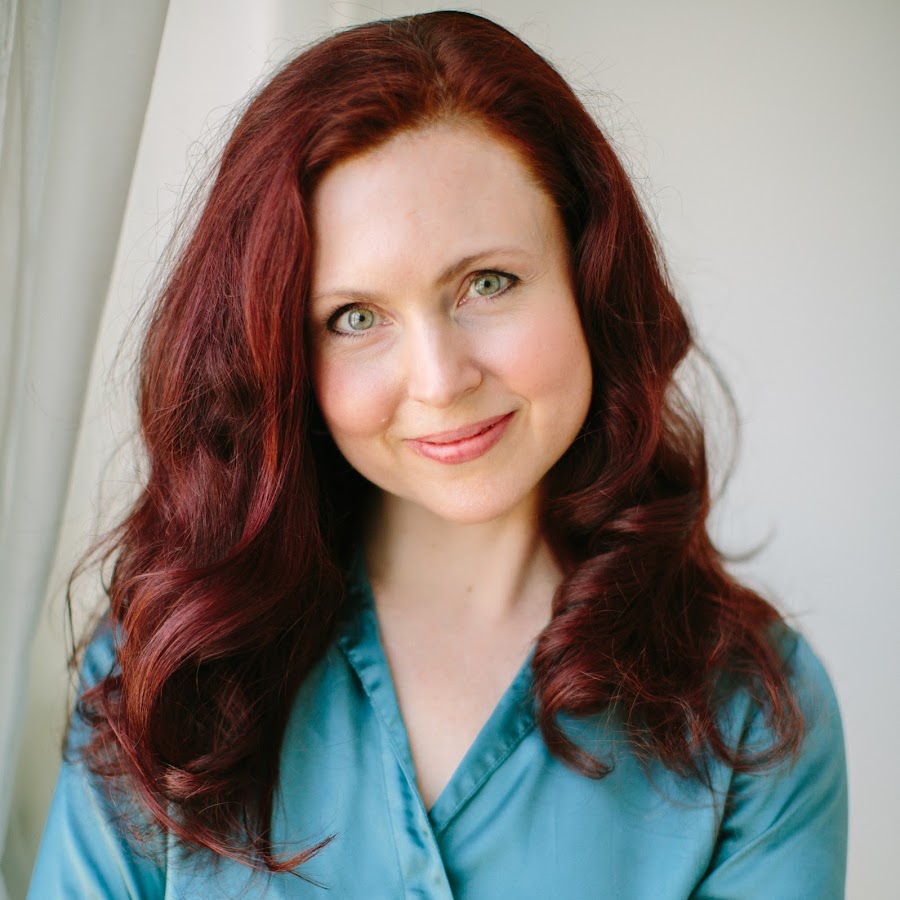
Donese Worden, NMD, is an internationally recognized integrative physician, researcher, entrepreneur, and media host with more than two decades of experience transforming healthcare through science, innovation, and patient advocacy. She is widely known for her expertise in integrative cancer support, guiding patients through both conventional and metabolic therapies while helping them make informed, personalized treatment decisions. Recognized worldwide as a trusted authority in metabolic oncology strategies (including the ketogenic diet, hyperbaric oxygen therapy, and repurposed drugs), mitochondrial health, and chronic degenerative disease, Dr. Worden is a co-author of the landmark clinical paper “Clinical Framework for Ketogenic Metabolic Therapy in Glioblastoma” published in BMC Medicine. She is the founder of Repower Medical Clinic in Arizona and the co-founder of Prove It Research, a contract research organization that specializes in rigorous third-party validation accessible for the health and wellness industry. She continues to lead clinical trials for novel therapeutics, medical devices, and nutraceuticals.
Connect
Transcript
Dr. Sandi: I’m really excited for our next guest. She is Dr. Donese Worden. This is a topic that I know that all of you are interested in. What about from the physician’s point of view? What are they seeing? And here she is. Hello, Donese. It is a pleasure to have you as a guest on this summit.
Dr. Donese: Oh, great to be here, Sandi. What a great group and a great mission here, right? CEO of your own health.
Dr. Sandi: Yes, that is our theme. So, before we start, let me tell our audience a little bit about Dr. Donese. She is an internationally recognized, integrative physician, researcher, entrepreneur, media host with more than two decades of experience transforming healthcare through science, innovation, and patient advocacy. Widely known for her expertise in integrative cancer support, guiding patients through both conventional and metabolic therapies while helping them make informed, personalized treatment decisions.
She’s recognized worldwide as a trusted authority in metabolic oncology strategies, mitochondrial health, chronic degenerative disease. She’s the co-author of a landmark clinical paper, Clinical Framework for Ketogenic Metabolic Therapy in Glioblastoma that was published in BMC Medicine. She’s the founder of Repower Medical Clinic in Arizona, co-founder of Prove It Research, and she continues to lead many clinical trials for novel therapeutics, medical devices, and nutraceuticals.
Well, we’re honored to have you, Dr. Donese. So, let’s start off by your perspective. As a physician, what do you think is happening as this direct-to-consumer data? We have access to it. How is that changing the landscape? Love to hear your perspective.
Dr. Donese: Right. Well, you know, I think it’s a wonderful thing, and we’ve got to make sure that we’re looking at both sides of it. Are we utilizing it to empower the patients, or are we doing so much of it? They’re doing it on their own, and they’re becoming afraid, and they’re living in fear, or they’re making changes to their diet, to their supplements off of something that they don’t have the full picture of, and that’s where the coaches and the physicians come in.
But I love it that it is available, that we’re not relying on insurance-based testing because it doesn’t complete the picture. These unique tests are very important. But I would say my message today to everyone is that we really, really need to pull together, be asking about the validity, the reproducibility of these tests. There are certain questions that I ask, and I’d be glad to share that later in your questions. But I think that we’ve got an issue with a lot of the DTCs not being reproducible. And people are making big changes, and physicians are making changes off those tests, and the tests themselves aren’t accurate. And we need to have better questions and processes within our own scopes to be asking those questions.
Dr. Sandi: Sure. So, would that be particularly critical in terms of the delivery method? So, like some of the tests where you just get a kit, and you do a fingerprint, and you send it in, and you get a result, would that be one of the areas that are particularly problematic?
Dr. Donese: It’s one of the areas.
Dr. Sandi: It’s across the board.
Dr. Donese: The collection method wasn’t properly done by the patient, right? But it’s really, I think, more where we need to be asking is, what is the technique that the labs themselves are doing? Are they CLIA-certified? What are the processes that they have to show that they are reproducible?
For example, I did a big panel this year on myself, and something came out, and I said, “That clinically doesn’t make sense. I don’t know that I believe that.” And what I’ve been doing for years is double-blinding these companies. And if I send my same blood in, same draw, same day, it better look close. It means reproducible. And when they aren’t, I know there’s something happening in the lab, the collection, something happened. So, this particular big panel I did, that same day, I had gone and used my insurance to do some of the same markers. And they looked very different. So, I think we need to be aware of that.
Dr. Sandi: That is so critical. And this was one of the main reasons I wanted you to share with our audience, because we have many people who are in the health coaching field, and they’re supporting people. And I think as a coach, one of your roles is critical is creating awareness of what might be some of the issues. So, would this be particularly, like, let’s say you get a result, and people have commented, like, “Oh, this doesn’t sound like me.” Would that be a particular reason to question?
Dr. Donese: Yeah. I mean, if it’s like that just doesn’t make sense, then you should question but also rerun it. But of course, if you’re rerunning, different labs are going to look different at different times. But it’s up to the physician, it’s up to the patients and the coaches. So, the first step, is that lab that you are recommending or that they’re coming in with happily asks the right questions? We know the lab is doing it correctly to start with. That’s the first step is… And then know that not all labs, all labs are going to have some times that we’ve got different events. So, I just say, we need a movement of, if we’re going to be utilizing any kind of testing, our first step should be, “Is that test reproducible?” If they are not CLIA-certified, that doesn’t mean necessarily that you go, okay, I’m not going to utilize it, but they need to have a design method that will hold up to CLIA standards. And over the years, for 30 years, double-blinding many of these companies, I will tell you that many of them are not reproducible, whether it’s blood, stool, saliva, that’s how I test. And they better come back looking alike.
Dr. Sandi: Can you talk about what that certification is, that CLIA, what exactly that is for those who might not know?
Dr. Donese: Well, that’s a… So, any insurance-based lab CLIA certified, that just means they go by different checkpoints to make sure that they are reproducible, that the lab is clean, that the techniques they are using are analyzed. So, those are parameters put in place from the beginning of the type of testing that they would be doing.
But outside of that, with these DTC or our unique tests that we all love to be able to say, “All right, I like these new tests. I like not necessarily new but these tests that give me a little bit more information than a regular CBC Chem Panel. We need to know, do they have an equivalent certification to CLIA? That’s non-negotiable for me. If they don’t, I don’t utilize. Has the company even published validated data? And can they prove that the test measures and the claims that they’re making, can they prove those two things? Can they provide reproducibility data that it’s called a coefficient of variation? That’s the measure of how much those results are gonna vary with the same test over time. And if you did the same sample 10 times, do they look alike? That’s one thing.
And then the other is, if I send in blinded, same patient’s biological information, does it look alike? And then is there clear clinical utility? That’s the other thing. Some of this is amazing and fascinating, and I love it. I love all the new testing. But is it clinically something that should be utilized right now? And I think we always have to know the patient. Who’s sitting in front of you, your client? Are you going to cause more fear and more anxiety by doing more tests right here, right now? It’s not about doing so many, so much. Now, some people love that, and they thrive on that, great. But some are overwhelmed. And as clinicians and as coaches need to say, is this needed right here, right now, on this patient now? And how much do I really know about this lab and how accurate they are?
Dr. Sandi: Yeah, I think it’s such a good point. And I think that’s where health coaches can play a huge role in presenting this to, like, okay, at the end of the day, it’s always that individual’s choice. But they can create awareness, like, what are your thoughts on… You know, what drove you to get this test? What are you hoping to find? What do you want to change in your life as a result of having this test? And often, you know, people are testing, and what I’m finding, it can lead to anxiety. And they’re getting an abnormal result. But what does that really mean?
I had shared a story earlier where I was wearing a continuous glucose monitor, and I went for a lab draw. And I thought, oh, it is really high. And of course, when I got that back, whoa, oh, my gosh, it’s like 100… It’s out of range. It’s like one point even higher. And then I could see on my CGM, like 10 minutes later or, you know, throughout the day or having even a high carb meal, it was never… I could see the pattern because I’m tracking it that way. And even there with CGMs, it could be inaccurate. But I think it shows that people seem to misperceive that it is a snapshot in time and how variable these markers are.
Dr. Donese: It is, it is. So, the markers are variable by the biologics of what the patient is experiencing in that moment. But again, back to how reliable are these tests to start with? So, I do think we have a responsibility, any of us that are utilizing labs in any way, to know, to ask the right questions and to know that you feel comfortable with their procedures and methodologies.
Dr. Sandi: What are some examples where this kind of testing could lead to improved health outcomes? Can this be, you know, an awakening for them? Maybe that person who really was not paying attention and they need to see it in black and white and they’re in control. They like to go and on their own. They don’t want to wait for the doctor, for example.
Dr. Donese: You know, first you congratulate them for being proactive, for bringing this in. And you congratulate them for being active participants in their health. Now you say, “This is a marker in time. Now this will be good for us to utilize to go forward, to look at and find the real root of the problem of what your issues are.” So, you congratulate and you utilize, but then you don’t want to discount what they’ve done. But I will tell you this perfect example over 30 years of doing this testing is that I had a patient, a young patient, she was 24 years old, grand mal seizures every single day of her life from four years old on. She’d been to Barrow’s, she’d been everywhere. Nothing was working.
And at that time I said, well, let me just go back to basics. Let me look at you from a whole. We did the IgG testing, not allergies. She didn’t show any allergies. They’d looked there. Did this. She stopped those foods and it has been 25 years. She has to date never had another grand mal seizure, except when she tried to add back in a few. So, that tells me, all right, even though I have a major institution and group telling me that this kind of testing is inaccurate and not valid, I know clinically what I have seen over and over again for the years. And that’s where we say, use your own knowledge and your own experience as well.
Dr. Sandi: Yeah. Something we talked about earlier was the issue with people not getting in to see a primary care doctor, not having a primary care doctor, being part of these huge conglomerate systems where there’s thousands of doctors. So, the odds of seeing the same person is so slim to none. And so they are feeling like they’re not getting what they need. They’re frustrated, ignored. And so can you see these DTC testing as a way where they can get something that is, again, if they want to, good luck waiting for their doctor, or if their doctor retires, trying to find a new one? I’ve heard the waiting list is like two years in some of these practices, or they’re closed because they’re concierge boutique practices.
Dr. Donese: I have a keynote lecture that I give called “Dare to Doubt.” And it’s all about being an advocate for your own health and your loved one’s health because no one is going to have the time, experience, or expertise to really look at that piece, and being okay with saying, “I’m going to look myself if I can’t get help.”
Now, if they’re making major changes, they need to have a clinician involved at some point, or at least have the coach saying, “This makes sense. Let’s try these things to see if this makes a difference in how you’re feeling.” That’s always one of the most important things.
You can see something on a lab and a patient is feeling fantastic. Yes, we want to be proactive. We want to look at it, be aware, but I believe they can make changes just by emotionally being set and emotionally believing in the power of their own body and their own pharmacy to make changes. That is powerful and I believe some of our best medicine.
So, the more we interfere with that ability, that they can’t do it without us, I believe that’s a negative. But the other side or the edge of it is they’re making changes maybe off of invalid testing, but never forgetting the power of the own human body to make changes. And the testing is interesting, mostly for us.
Dr. Sandi: Absolutely. Yes, the power of the human body to make changes. One of your specialties is oncology. What are your thoughts on what’s coming and what is here now in terms of these? On your own, you can go get some of these tests like Galleri.
Dr. Donese: I love that we can think that we can look from a genetic standpoint to see, are there some things to look at? But I will tell you, 5% to 10% of cancers are genetic. 5% to 10%, I’m going to say that again, are genetic. We have a society now that the nonprofit is being formed as we speak. I’m the COO of it, a Society for International Metabolic Oncology. We have Cambridge University. We’ve got Tom Seyfried at Boston College, Dominic D’Agostino funded by the Department of Defense and NASA, major researchers and physicians and oncologists looking at mitochondrial health and what does that mean. We use ketogenic diet, hyperbaric oxygen, repurposed drugs. We’re doing the science. We’re doing the education.
So, it’s this process of yes, there’s a genetic piece and epigenetics plays into everything. That goes back to what I’m talking about, your mindset, not just physical things that are happening to us. Environmental medicine, they all count. But we’ve got to say in our world, it’s what is affecting the mitochondria. On the cancer standpoint, we have a very big stone to roll up the hill of saying that we believe maybe we’ve been studying some of the wrong things and we need to add in. It’s not either/or. And it’s not it’s wrong on one side or better on the other side. It’s about looking at it differently with real science to say, “Let’s further the research into cancer.”
I’ll see a cancer marker coming and there’s no sign of cancer in that patient at this moment, not even circulating tumor cells. Sometimes it matches and that’s great. You’ve got validation. But again, going back to the individual sitting in front of you. I love testing. I love data. But I also know the failings that can be there, and that’s where you have to use your knowledge, your experience, and I’m going to put this word out there, but I think it’s real, use your intuition. This doesn’t seem right. Let me go down and do some more testing or continue to look in a different way.
Dr. Sandi: That’s absolutely spot on. I love that. So, we have a number of questions that have come in. So, the question regarding specifically if you’re going to places like Quest or LabCorp, in terms of what you said, in terms of replicability.
Dr. Donese: Well, they are CLIA-certified because they’re insurance-based. They’ve got a whole set of regulatory things they have to go by. That does not mean they’re perfect. We have all caught them sending the wrong lab for the wrong patient. I look at it and go, “This I know is off.” We’ll call back. It was actually the wrong patient. It’s error on the side of humans usually.
Are they perfect in their reproducibility? No one is. We do know for certain tests how accurate it is. The people that were talking before this, they know for certain things they’re 85% reproducible, that they’re accurate for this amount of time. But then you’ve got to say, “All right, what is that other percentage? And is that the person sitting in front of me?” So, you always have to keep that in mind. But I will say when you use insurance-based labs, they are held to a tighter regulatory statute. And that’s why some of our labs, especially the DTCs, it’s kind of the Wild West. And it’s great marketing. We’re all excited about it, but, boy, I put them through the mill before I start recommending tests. And if they cannot show me that, they’re not ready for me to recommend.
Dr. Sandi: Yeah. How would you know if a lab is CLIA-certified? We’ve had a number of questions coming in about that. Okay.
Dr. Donese: Yeah, we just ask. If they go back, I listed a few things. I have a regulatory compliance checklist. You should see what I make the poor supplement companies go through. I know not just that they did testing on the raw material, but I know that in batch, on that lot number, the capsule, what’s going into the patient’s mouth, because I’ve been in the industry long enough to know that there’s a lot of bad players there.
So, I have a huge list. And if my companies will not comply, I don’t do business with them. Same thing with the labs. I will say this. There is a stool analysis that I use because I know this person, this parasitologist, personally. I studied for four years with them. I’ve been to our CDC base in Egypt, so I know his methodology. I know what he does. I know that the reason why he’s not reading those in America is because he wasn’t allowed to do what he needed to do for the better testing, even though he was the one that developed the testing that’s currently being used in the United States.
So, I know that because I know that, and I still utilize him because I think he’s beyond what is applicable here in the United States. But besides that, I have a list and they have to comply. If they cannot answer it, I do not recommend it.
Dr. Sandi: That is so helpful. Yeah, we will talk further about that, how we can share that with our community. What are the respectable validating sources on the level of CLIA standards that make DTC testing acceptable?
Dr. Donese: Well, DTC, many of them may not be CLIA-certified, but many may be. All you have to do is ask, “Are you CLIA-certified?” You ask that question. If they say no, they better have a really good answer for that. Some don’t have to be. They will be certified in an equivalent type of testing, so it gets complicated. It does. Most labs are CLIA-certified, but that’s only one piece of the question that you need to be asking.
Dr. Sandi: Absolutely. You shared something about the grand mal seizures, and she missed it because you had cut out on the connection. What was the test, food sensitivity?
Dr. Donese: It was an IgG food sensitivity test. Something that’s not part of standard of care. It’s not a test that’s respected in traditional circles, but that test has been one of the best tests that I’ve used for 30 years on patients, and I use it because I see the outcomes.
Dr. Sandi: Michelle writes: “Coaching before testing is so important. Setting up the expectations that out of range could be an opportunity for improvement versus a diagnosis. Can you comment on that? Because I think that is really important, that anxiety, that “what if.”
Dr. Donese: That’s right. It’s absolutely… From a coach’s standpoint, you’ve spent time, you really understand them and know them, usually far more time than a physician will. So, you will know which of these are going to be fitting them. And then when it comes time for diagnosis, you do need to get a clinician involved, one that really understands the tests that have been done, first of all, to be able to utilize them, but it’s critical.
I think that we try to say, “Can we diagnose before they come into a clinician?” You’re really not allowed to, but you know what you think. You need a clinician to be able to help you get to that diagnosis for real.
Dr. Sandi: Yeah, so important. Can you share the name of the company in Egypt for the stool testing?
Dr. Donese: Well, they’re not in Egypt. That’s where I studied with him, but he is Egyptian. It is Parasitology Center International, Dr. Omar Amin. He is the one… He’s named… Many of the parasites were named by him. He’s been at it that long. I trust his testing for parasites. Now, a lot of the other companies, they do parasite testing, but they’re looking for DNA fragments. I have been on the meetings. I got him together with these other companies and said, “I want to flush this out.” He said, “You’re testing for DNA. There’s DNA all the time for a lot of things, because maybe you’ve cleared that parasite but the DNA is still there.” So again, I know if there’s an active parasite. If he says yes or no, I trust it.
Dr. Sandi: Yes, absolutely. Catherine, I love this question. What areas of emerging medicine excite you currently, Dr. Worden?
Dr. Donese: I think frequency medicine, bioenergetic medicine. I’ve been lecturing CME for years on that. I think the electrical part of the body and the frequency is really where we’re going to be able to make a lot of changes. So, that excites me, always has. Frequency medicine because… And also again, just empowering the patient, the power of the mind and the spiritual side of us to make big changes.
The cancer patients that thrive, not just survive, they’ve lost their fear of the cancer and their fear of death. Those are the ones that I know we’ve got a really good shot at doing all these wonderful things that conventional medicine says, “Dr. Worden, I’m not quite sure all the things you’re doing here, but keep doing it because this is outside of norm for this patient to do this well.” And I work with MD Anderson, City of Hope, the cancer treatments, all the big ones.
The ones that know me know me to stay out of the way if the patient has chosen conventional care. We cannot do certain things at the same time. They trust me there, but they also trust me knowing that when they’ve done what they can and they’ve said, “We’re done,” are you going to give false hope? No. But we’re so afraid of giving false hope that we take away hope. And the minute you take that away in a cancer patient, it’s over.
But hope for what? Maybe quality of life for those last minutes, hours, whatever is going to be in their life, or we actually have hope for a remission. So being realistic. To answer the question, I think it’s the power of the mind-body, and frequency medicine is the most exciting to me. I use supplements. I do all of it. But to me, those are helps along the way for the body to do the real healing.
Dr. Sandi: I love that. As someone who was doing mind-body medicine before it had a name back in the ’70s and seeing its power, the power of hope, the power of social connection, meaning and purpose in your life, that mindset is so powerful. A question came in, example of frequency medicine.
Dr. Donese: So, frequency medicine is vibrational frequency. I got started into it with cold lasers. My mother had a physician-induced stroke and it was massive. First they said, “She won’t survive.” I said, “You’re not looking at the patient.” This was my first semester in medical school, and all the white coats around me were like, “You don’t know anything yet.” I said, “You’re correct, but I do know my mother.” She would have not survived had I not been an advocate in saying, “You continue therapy.”
But after the physician-induced stroke, it was massive. She couldn’t walk, couldn’t talk, couldn’t do anything. A chiropractor introduced me to cold lasers and said, “If there’s a chance to get neurologically settled back and get some function, it will be cold lasers.” That was my introduction, and that was over 30 years ago.
At that point, yes, we got Mom back, quality of life, walking, doing all these wonderful things and having a quality of life. But in the meantime, I met my mentor, which was Dr. William Tiller, Bill Tiller. He was a professor of physics at Stanford for 40 years. We lost him during COVID, literally after COVID, but that was my mentor. And so I translated all of his quantum physics to years for physicians and for me to understand how to utilize this system to help the human body get better. And he studied meditation across the world. I think he’ll be a Nobel Prize winner posthumously. I think he’ll get it. And there’s some exciting work going on in Russia and other places that I’ve been involved in for a long time.
So, for example, cold lasers, that’s a great place to start. A lot of science, a lot of research that would be safe for recommendation on your end. I’ve been involved with Russian technology, SCENAR and others, but I’m deeper in it. It’d be hard for you guys to jump into some of it. Right now, look at the basics and red light therapy. Red light, those things, and what we’re seeing just from these basics. And don’t forget about sunlight. Don’t forget about that one. Powerful. And moonlight. And moonlight. What do you think that gravitational pull on the oceans are all about? It’s the gravitational pull of the moonlight. You want to help someone with infertility, you start introducing their body to moonlight and sunlight. I know that sounds woo, but it’s not. It’s based in science. So, let’s not forget about the basics either.
Dr. Sandi: Absolutely, and that’s what coaches are so trained in, helping people get back to the basics, those basic things that don’t cost anything in many cases. Getting in the sun, taking a walk, and provide critical education in some of these emerging areas. So, as we draw to a close, Dr. Donese, I’ll go with Michael Fishman and our mutual friends. Anything I didn’t ask you about direct-to-consumer lab testing that you would like to share?
Dr. Donese: We can help change the industry in a good way, as we should. Please start asking these questions and challenging the status quo, and not just saying, “Well, if they’re selling it, then it must be okay. Their marketing looks great.” Ask these basic questions that I brought up before. Just ask those.
Dr. Sandi: Very, very helpful. And certainly coaches can do that research if somebody is interested in direct-to-consumer testing, they can provide that information. They can contact those companies. They can do their homework so that they can feel confident when they are providing that education and helping people be informed consumers is so critical.
Dr. Donese: Absolutely.
Our Latest Blogs
-
Supplements 201: A Smarter Approach for Health Coaches
Read Full Article: Supplements 201: A Smarter Approach for Health Coaches -
What Health Coaches Need to Know About Continuous Glucose Monitors (CGMs)
Read Full Article: What Health Coaches Need to Know About Continuous Glucose Monitors (CGMs) -

How to Start a Health Coaching Business or Get Hired: FMCA’s Career Accelerator
Read Full Article: How to Start a Health Coaching Business or Get Hired: FMCA’s Career Accelerator

